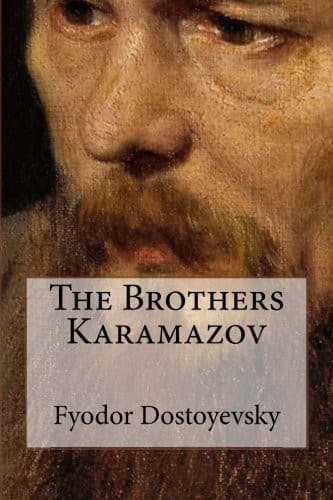
Brothers -- Fiction; Didactic fiction; Fathers and sons -- Fiction; Russia -- Social life and customs -- 1533-1917 -- Fiction
permission, that we allow them to sin because we love them, and the
punishment for these sins we take upon ourselves. And we shall take it
upon ourselves, and they will adore us as their saviors who have taken
on themselves their sins before God. And they will have no secrets from
us. We shall allow or forbid them to live with their wives and
mistresses, to have or not to have children—according to whether they
have been obedient or disobedient—and they will submit to us gladly and
cheerfully. The most painful secrets of their conscience, all, all they
will bring to us, and we shall have an answer for all. And they will be
glad to believe our answer, for it will save them from the great
anxiety and terrible agony they endure at present in making a free
decision for themselves. And all will be happy, all the millions of
creatures except the hundred thousand who rule over them. For only we,
we who guard the mystery, shall be unhappy. There will be thousands of
millions of happy babes, and a hundred thousand sufferers who have
taken upon themselves the curse of the knowledge of good and evil.
Peacefully they will die, peacefully they will expire in Thy name, and
beyond the grave they will find nothing but death. But we shall keep
the secret, and for their happiness we shall allure them with the
reward of heaven and eternity. Though if there were anything in the
other world, it certainly would not be for such as they. It is
prophesied that Thou wilt come again in victory, Thou wilt come with
Thy chosen, the proud and strong, but we will say that they have only
saved themselves, but we have saved all. We are told that the harlot
who sits upon the beast, and holds in her hands the _mystery_, shall be
put to shame, that the weak will rise up again, and will rend her royal
purple and will strip naked her loathsome body. But then I will stand
up and point out to Thee the thousand millions of happy children who
have known no sin. And we who have taken their sins upon us for their
happiness will stand up before Thee and say: “Judge us if Thou canst
and darest.” Know that I fear Thee not. Know that I too have been in
the wilderness, I too have lived on roots and locusts, I too prized the
freedom with which Thou hast blessed men, and I too was striving to
stand among Thy elect, among the strong and powerful, thirsting “to
make up the number.” But I awakened and would not serve madness. I
turned back and joined the ranks of those _who have corrected Thy
work_. I left the proud and went back to the humble, for the happiness
of the humble. What I say to Thee will come to pass, and our dominion
will be built up. I repeat, to-morrow Thou shalt see that obedient
flock who at a sign from me will hasten to heap up the hot cinders
about the pile on which I shall burn Thee for coming to hinder us. For
if any one has ever deserved our fires, it is Thou. To-morrow I shall
burn Thee. _Dixi._’”
Public-domain text, read in full here on John Shaqi.
Reviews
Reviews
No reviews yet
Be the first to share your thoughts on this work.
Elsewhere in the archive
Join the Discussion
Join the discussion
Sign in to leave a comment or review.
Sign InorCreate an account