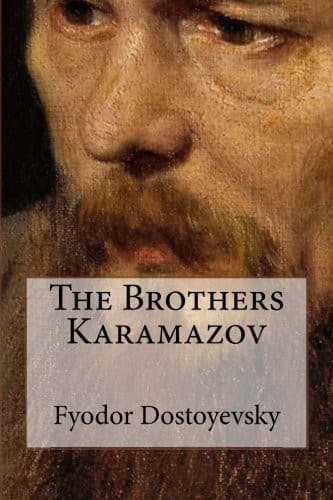
Brothers -- Fiction; Didactic fiction; Fathers and sons -- Fiction; Russia -- Social life and customs -- 1533-1917 -- Fiction
I went out then and ran to play. And many times in my life afterwards I
remembered even with tears how he told me to enjoy life for him too.
There were many other marvelous and beautiful sayings of his, though we
did not understand them at the time. He died the third week after
Easter. He was fully conscious though he could not talk; up to his last
hour he did not change. He looked happy, his eyes beamed and sought us,
he smiled at us, beckoned us. There was a great deal of talk even in
the town about his death. I was impressed by all this at the time, but
not too much so, though I cried a good deal at his funeral. I was young
then, a child, but a lasting impression, a hidden feeling of it all,
remained in my heart, ready to rise up and respond when the time came.
So indeed it happened.
_(b) Of the Holy Scriptures in the Life of Father Zossima_
I was left alone with my mother. Her friends began advising her to send
me to Petersburg as other parents did. “You have only one son now,”
they said, “and have a fair income, and you will be depriving him
perhaps of a brilliant career if you keep him here.” They suggested I
should be sent to Petersburg to the Cadet Corps, that I might
afterwards enter the Imperial Guard. My mother hesitated for a long
time, it was awful to part with her only child, but she made up her
mind to it at last, though not without many tears, believing she was
acting for my happiness. She brought me to Petersburg and put me into
the Cadet Corps, and I never saw her again. For she too died three
years afterwards. She spent those three years mourning and grieving for
both of us.
Public-domain text, read in full here on John Shaqi.
Reviews
Reviews
No reviews yet
Be the first to share your thoughts on this work.
Elsewhere in the archive
Join the Discussion
Join the discussion
Sign in to leave a comment or review.
Sign InorCreate an account