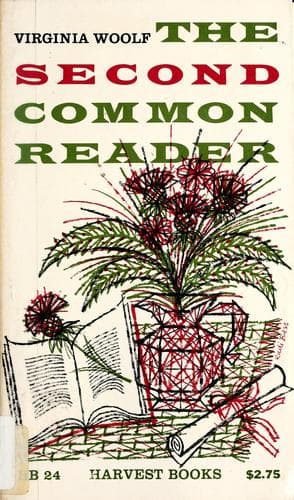
English literature -- History and criticism; Literature, Modern -- History and criticism
generous in its sympathies to allow him to spend much time in making
things shipshape and substantial. He is a materialist from sheer
goodness of heart, taking upon his shoulders the work that ought to have
been discharged by Government officials, and in the plethora of his
ideas and facts scarcely having leisure to realise, or forgetting to
think important, the crudity and coarseness of his human beings. Yet
what more damaging criticism can there be both of his earth and of his
Heaven than that they are to be inhabited here and hereafter by his
Joans and his Peters? Does not the inferiority of their natures tarnish
whatever institutions and ideals may be provided for them by the
generosity of their creator? Nor, profoundly though we respect the
integrity and humanity of Mr. Galsworthy, shall we find what we seek in
his pages.
If we fasten, then, one label on all these books, on which is one word
materialists, we mean by it that they write of unimportant things; that
they spend immense skill and immense industry making the trivial and the
transitory appear the true and the enduring.
We have to admit that we are exacting, and, further, that we find it
difficult to justify our discontent by explaining what it is that we
exact. We frame our question differently at different times. But it
reappears most persistently as we drop the finished novel on the crest
of a sigh—Is it worth while? What is the point of it all? Can it be
that owing to one of those little deviations which the human spirit
seems to make from time to time Mr. Bennett has come down with his
magnificent apparatus for catching life just an inch or two on the wrong
side? Life escapes; and perhaps without life nothing else is worth
while. It is a confession of vagueness to have to make use of such a
figure as this, but we scarcely better the matter by speaking, as
critics are prone to do, of reality. Admitting the vagueness which
afflicts all criticism of novels, let us hazard the opinion that for us
at this moment the form of fiction most in vogue more often misses than
secures the thing we seek. Whether we call it life or spirit, truth or
reality, this, the essential thing, has moved off, or on, and refuses to
be contained any longer in such ill-fitting vestments as we provide.
Nevertheless, we go on perseveringly, conscientiously, constructing our
two and thirty chapters after a design which more and more ceases to
resemble the vision in our minds. So much of the enormous labour of
proving the solidity, the likeness to life, of the story is not merely
labour thrown away but labour misplaced to the extent of obscuring and
blotting out the light of the conception. The writer seems constrained,
not by his own free will but by some powerful and unscrupulous tyrant
who has him in thrall to provide a plot, to provide comedy, tragedy,
love, interest, and an air of probability embalming the whole so
impeccable that if all his figures were to come to life they would find
Public-domain text, read in full here on John Shaqi.
Reviews
Reviews
No reviews yet
Be the first to share your thoughts on this work.
Elsewhere in the archive
Join the Discussion
Join the discussion
Sign in to leave a comment or review.
Sign InorCreate an account