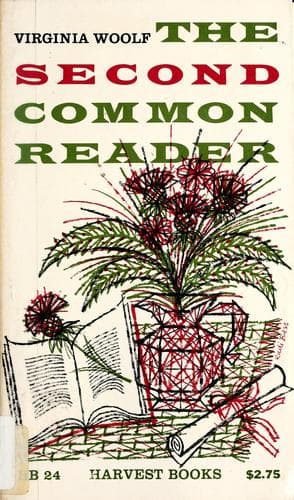
English literature -- History and criticism; Literature, Modern -- History and criticism
So it went on, year after year. Nor was the arrogance of his behaviour
always justified by the splendour or utility of the objects he had in
view—the creation of the Backs, the erection of an observatory, the
foundation of a laboratory. More trivial desires were gratified with the
same tyranny. Sometimes he wanted coal; sometimes bread and ale; and
then Madame Bentley, sending her servant with a snuff-box in token of
authority, got from the butteries at the expense of the college a great
deal more of these commodities than the college thought that Dr. Bentley
ought to require. Again, when he had four pupils to lodge with him who
paid him handsomely for their board, it was drawn from the College, at
the command of the snuff-box, for nothing. The principles of “delicacy
and good feeling” which the Master might have been expected to observe
(great scholar as he was, steeped in the wine of the classics) went for
nothing. His argument that the “few College loaves” upon which the four
young patricians were nourished were amply repaid by the three sash
windows which he had put into their rooms at his own expense failed to
convince the Fellows. And when, on Trinity Sunday 1719, the Fellows
found the famous College ale not to their liking, they were scarcely
satisfied when the butler told them that it had been brewed by the
Master’s orders, from the Master’s malt, which was stored in the
Master’s granary, and though damaged by “an insect called the weevil”
had been paid for at the very high rates which the Master demanded.
Public-domain text, read in full here on John Shaqi.
Reviews
Reviews
No reviews yet
Be the first to share your thoughts on this work.
Elsewhere in the archive
Join the Discussion
Join the discussion
Sign in to leave a comment or review.
Sign InorCreate an account