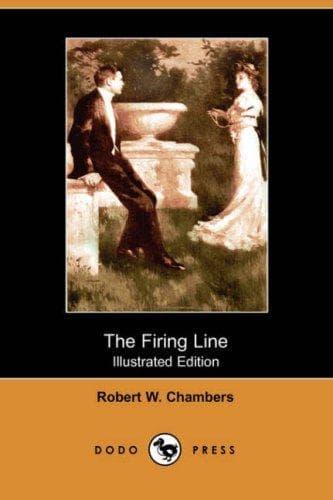
"You know it has become such a dreadful thing to me--the responsibility
for pain and death.... It is horrible for humanity to usurp such a
power--to dare interfere with life--to mar it, end it!... Children do
not understand. I was nothing more a few months ago. To my intelligence
the shallow arguments of those takers of life called sportsmen was
sufficient. I supposed that because almost all the little children of
the wild were doomed to die by violence, sooner or later, that the
quicker death I offered was pardonable on the score of mercy." ... She
shook her head. "Why death and pain exist, I do not know; He who deals
them must know why."
He said, surprised at her seriousness: "Right or wrong, a matter of
taste cannot be argued--"
"A matter of taste! Every fibre of me rebels at the thought of death--of
inflicting it on anything. God knows how I could have done it when I had
so much of happiness myself!" She swung around toward him:
"Sooner or later what remains to say between us must be said, Garry. I
think the time is now--here in my garden--in the clear daylight of the
young summer.... You have that last letter of my girlhood?"
"I burned it."
"I have every letter you ever wrote me. They are in my desk upstairs.
The desk is not locked."
"Had you not better destroy them?"
"Why?"
"As you wish," he said, looking at the ground.
"One keeps the letters of the dead," she said; "your youth and
mine"--she made a little gesture downward as though smoothing a
grave--daintily.
They were very unwise, sitting there in the sunshine side by side,
tremendously impressed with the catastrophe of life and with each
other--still young enough to be in earnest, to take life and each other
with that awesome finality which is the dread privilege of youth.
She spoke with conviction of the mockery of life, of wisdom and its
sadness; he looked upon the world in all the serious disillusion of
youth, and saw it strewn with the fragments of their wrecked happiness.
They were very emotional, very unhappy, very, very much in love; but the
truly pathetic part of it all lay in her innocent conviction that a
marriage witnessed by the world was a sanctuary within the circle of
which neither she nor he had any reason to fear each other or
themselves.
The thing was done; hope slain. They, the mourners, might now meet in
safety to talk together over the dead--suffer together among the graves
of common memories, sadly tracing, reverently marking with epitaphs
appropriate the tombs which held the dead days of their youth.
Youth believes; Age is the sceptic. So they did not know that, as nature
abhors a vacuum, youth cannot long tolerate the vacuity of grief. Rose
vines, cut to the roots, climb the higher. No checking ever killed a
passion. Just now her inexperience was driving her into platitudes.
"Dear Garry," she said gently, "it is such happiness to talk to you like
this; to know that you understand."
Public-domain text, read in full here on John Shaqi.
Reviews
Reviews
No reviews yet
Be the first to share your thoughts on this work.
Elsewhere in the archive
Join the Discussion
Join the discussion
Sign in to leave a comment or review.
Sign InorCreate an account