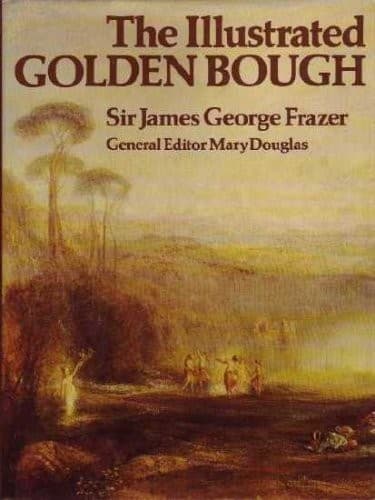
The Golden Bough: A Study in Comparative Religion (Vol. 2 of 2)Frazer, James George
ReligionComparative
The Golden Bough: A Study in Comparative Religion (Vol. 2 of 2)
Frazer, James George
Magic; Mythology; Religion; Superstition
The best general explanation of these European fire-festivals seems to be
the one given by Mannhardt, namely, that they are sun-charms or magical
ceremonies intended to ensure a proper supply of sunshine for men,
animals, and plants. We have seen that savages resort to charms for making
sunshine,(726) and we need not wonder that primitive man in Europe has
done the same. Indeed, considering the cold and cloudy climate of Europe
during a considerable part of the year, it is natural that sun-charms
should have played a much more prominent part among the superstitious
practices of European peoples than among those of savages who live nearer
the equator. This view of the festivals in question is supported by
various considerations drawn partly from the rites themselves, partly from
the influence which they are believed to exert upon the weather and on
vegetation. For example, the custom of rolling a burning wheel down a
hillside, which is often observed on these occasions, seems a very natural
imitation of the sun’s course in the sky, and the imitation is especially
appropriate on Midsummer Day when the sun’s annual declension begins. Not
less graphic is the imitation of his apparent revolution by swinging a
burning tar-barrel round a pole.(727) The custom of throwing blazing
discs, shaped like suns, into the air is probably also a piece of
imitative magic. In these, as in so many cases, the magic force is
supposed to take effect through mimicry or sympathy; by imitating the
desired result you actually produce it; by counterfeiting the sun’s
progress through the heavens you really help the luminary to pursue his
celestial journey with punctuality and despatch. The name “fire of
heaven,” by which the midsummer fire is sometimes popularly known,(728)
clearly indicates a consciousness of the connection between the earthly
and the heavenly flame.
Public-domain text, read in full here on John Shaqi.
Reviews
Reviews
No reviews yet
Be the first to share your thoughts on this work.
Elsewhere in the archive
Join the Discussion
Join the discussion
Sign in to leave a comment or review.
Sign InorCreate an account