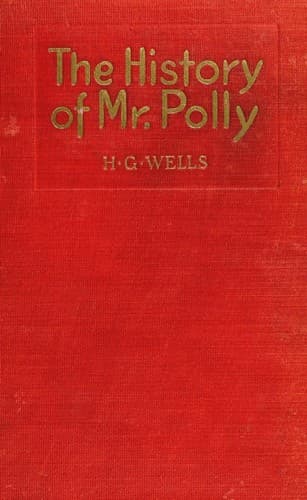
The History of Mr. PollyWells, H. G. (Herbert George)
General
The History of Mr. Polly
Wells, H. G. (Herbert George)
Life change events -- Fiction
Those three months passed all too quickly; months of sunshine and
warmth, of varied novel exertion in the open air, of congenial
experiences, of interest and wholesome food and successful digestion,
months that browned Mr. Polly and hardened him and saw the beginnings
of his beard, months marred only by one anxiety, an anxiety Mr. Polly
did his utmost to suppress. The day of reckoning was never mentioned,
it is true, by either the plump woman or himself, but the name of
Uncle Jim was written in letters of glaring silence across their
intercourse. As the term of that respite drew to an end his anxiety
increased, until at last it even trenched upon his well-earned sleep.
He had some idea of buying a revolver. At last he compromised upon a
small and very foul and dirty rook rifle which he purchased in Lammam
under a pretext of bird scaring, and loaded carefully and concealed
under his bed from the plump woman's eye.
September passed away, October came.
And at last came that night in October whose happenings it is so
difficult for a sympathetic historian to drag out of their proper
nocturnal indistinctness into the clear, hard light of positive
statement. A novelist should present characters, not vivisect them
publicly....
The best, the kindliest, if not the justest course is surely to leave
untold such things as Mr. Polly would manifestly have preferred
untold.
Mr. Polly had declared that when the cyclist discovered him he was
seeking a weapon that should make a conclusive end to Uncle Jim. That
declaration is placed before the reader without comment.
The gun was certainly in possession of Uncle Jim at that time and no
human being but Mr. Polly knows how he got hold of it.
The cyclist was a literary man named Warspite, who suffered from
insomnia; he had risen and come out of his house near Lammam just
before the dawn, and he discovered Mr. Polly partially concealed in
the ditch by the Potwell churchyard wall. It is an ordinary dry ditch,
full of nettles and overgrown with elder and dogrose, and in no way
suggestive of an arsenal. It is the last place in which you would look
for a gun. And he says that when he dismounted to see why Mr. Polly
was allowing only the latter part of his person to show (and that it
would seem by inadvertency), Mr. Polly merely raised his head and
advised him to "Look out!" and added: "He's let fly at me twice
already." He came out under persuasion and with gestures of extreme
caution. He was wearing a white cotton nightgown of the type that has
now been so extensively superseded by pyjama sleeping suits, and his
legs and feet were bare and much scratched and torn and very muddy.
Public-domain text, read in full here on John Shaqi.
Reviews
Reviews
No reviews yet
Be the first to share your thoughts on this work.
Elsewhere in the archive
Join the Discussion
Join the discussion
Sign in to leave a comment or review.
Sign InorCreate an account