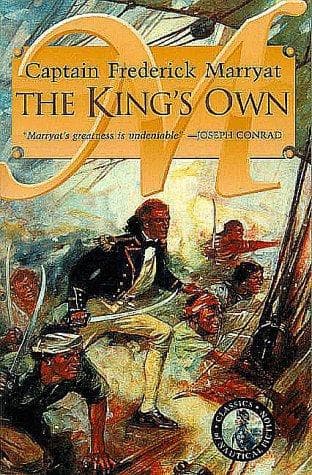
Great Britain -- History, Naval -- 18th century -- Fiction; Nore Mutiny, 1797 -- Fiction
"Then, sir, with all due submission to you, I do think, and it is the
opinion of the other officers as well, that our present employment,
under existing circumstances, is tempting, if not insulting, the
Almighty. Look at the sky, look at the raging sea, hear the wind, and
call to mind the effects of the lightning not one half-hour since. When
the Almighty appears in all his wrath, in all his tremendous majesty, is
it a time for us poor mortals to be at strife? What is our feeble
artillery, what is the roar of our cannon, compared to the withering and
consuming artillery of Heaven? Has he not told us so?--and do not the
ship's company, by their dispirited conduct since the vessel was struck,
acknowledge it? The officers all feel it, sir. Is it not
presumptuous,--with all due submission, sir, is it not wicked?"
"I respect your feelings as a Christian, and as a man," replied Captain
M---; "but I must differ with you. That the Almighty power appears, I
grant; and I feel, as you do, that God is great, and man weak and
impotent. But that this storm has been raised--that this thunder
rolls--that this lightning has blasted us, as a _warning_, I deny. The
causes emanate from the Almighty; but he leaves the effects to the
arrangements of Nature, which is governed by immutable laws. Had there
been no other vessel in sight, this lightning would still have struck
us; and this storm will not cease, even if we were to neglect what I
consider a duty to our country."
The master touched his hat, and made no answer. It was now about one
o'clock, and the horizon to leeward, clearing up a little, showed the
land upon the lee-beam.
"Land ho!" cried one of the men.
"Indeed," observed the captain to the master--"we are nearer than you
thought."
"Something, sir, perhaps; but recollect how many hours you have kept
away after this vessel."
"Very true," rejoined the captain; "and the in-draught into the bargain.
I am not surprised at it."
"Shall we haul our wind, sir? we are on a dead lee-shore."
"No, Mr Pearce, not until the fate of that vessel is decided."
"Land on the weather-bow!" reported the boatswain.
"Indeed!" said the captain--"then the affair will soon be decided."
The vessels still continued their course in a slanting direction towards
the land, pursuer and pursued running on to destruction; but although
various indirect hints were given by the first-lieutenant and others,
Captain M--- turned a deaf ear. He surveyed the dangers which presented
themselves, and frowned upon them, as if in defiance.
CHAPTER FIFTY THREE.
An universal cry resounds aloud,
The sailors run in heaps, a helpless crowd;
Art fails, and courage falls; no succour near;
As many waves, as many deaths appear.
OVID, (DRYDEN'S TRANSLATION).
Public-domain text, read in full here on John Shaqi.
Reviews
Reviews
No reviews yet
Be the first to share your thoughts on this work.
Elsewhere in the archive
Join the Discussion
Join the discussion
Sign in to leave a comment or review.
Sign InorCreate an account