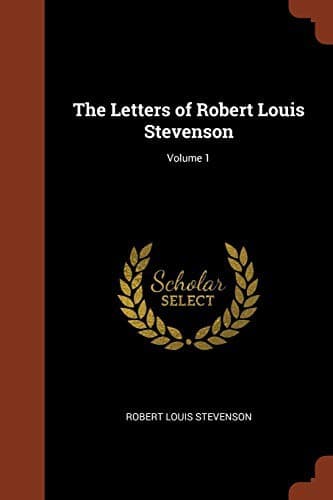
The Letters of Robert Louis Stevenson — Volume 1Stevenson, Robert Louis
General
The Letters of Robert Louis Stevenson — Volume 1
Stevenson, Robert Louis
Authors, Scottish -- 19th century -- Correspondence; Stevenson, Robert Louis, 1850-1894 -- Correspondence
[_Skerryvore_, _Bournemouth_,] _October_ 30, 1885.
DEAR MR. ARCHER.—It is possible my father may be soon down with me; he is
an old man and in bad health and spirits; and I could neither leave him
alone, nor could we talk freely before him. If he should be here when
you offer your visit, you will understand if I have to say no, and put
you off.
I quite understand your not caring to refer to things of private
knowledge. What still puzzles me is how you (‘in the witness box’—ha! I
like the phrase) should have made your argument actually hinge on a
contention which the facts answered.
I am pleased to hear of the correctness of my guess. It is then as I
supposed; you are of the school of the generous and not the sullen
pessimists; and I can feel with you. I used myself to rage when I saw
sick folk going by in their Bath-chairs; since I have been sick myself
(and always when I was sick myself), I found life, even in its rough
places, to have a property of easiness. That which we suffer ourselves
has no longer the same air of monstrous injustice and wanton cruelty that
suffering wears when we see it in the case of others. So we begin
gradually to see that things are not black, but have their strange
compensations; and when they draw towards their worst, the idea of death
is like a bed to lie on. I should bear false witness if I did not
declare life happy. And your wonderful statement that happiness tends to
die out and misery to continue, which was what put me on the track of
your frame of mind, is diagnostic of the happy man raging over the misery
of others; it could never be written by the man who had tried what
unhappiness was like. And at any rate, it was a slip of the pen: the
ugliest word that science has to declare is a reserved indifference to
happiness and misery in the individual; it declares no leaning toward the
black, no iniquity on the large scale in fate’s doings, rather a marble
equality, dread not cruel, giving and taking away and reconciling.
Public-domain text, read in full here on John Shaqi.
Reviews
Reviews
No reviews yet
Be the first to share your thoughts on this work.
Elsewhere in the archive
Join the Discussion
Join the discussion
Sign in to leave a comment or review.
Sign InorCreate an account