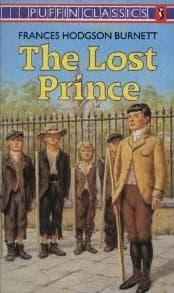
Fathers and sons -- Fiction; People with disabilities -- Fiction; Princes -- Fiction; Refugees -- Fiction
When the boys were over the frontier and well on their way along the
roads, it was not difficult to keep out of sight if it seemed necessary.
The country was mountainous and there were deep and thick forests by the
way--forests so far-reaching and with such thick undergrowth that
full-grown men could easily have hidden themselves. It was because of
this, perhaps, that this part of the country had seen little fighting.
There was too great opportunity for secure ambush for a foe. As the two
travelers went on, they heard of burned villages and towns destroyed,
but they were towns and villages nearer Melzarr and other
fortress-defended cities, or they were in the country surrounding the
castles and estates of powerful nobles and leaders. It was true, as
Marco had said to the white-haired personage, that the Maranovitch and
Iarovitch had fought with the savageness of hyenas until at last the
forces of each side lay torn and bleeding, their strength, their
resources, their supplies exhausted.
Each day left them weaker and more desperate. Europe looked on with
small interest in either party but with growing desire that the disorder
should end and cease to interfere with commerce. All this and much more
Marco and The Rat knew, but, as they made their cautious way through
byways of the maimed and tortured little country, they learned other
things. They learned that the stories of its beauty and fertility were
not romances. Its heaven-reaching mountains, its immense plains of rich
verdure on which flocks and herds might have fed by thousands, its
splendor of deep forest and broad clear rushing rivers had a primeval
majesty such as the first human creatures might have found on earth in
the days of the Garden of Eden. The two boys traveled through forest and
woodland when it was possible to leave the road. It was safe to thread a
way among huge trees and tall ferns and young saplings. It was not
always easy but it was safe. Sometimes they saw a charcoal-burner's hut
or a shelter where a shepherd was hiding with the few sheep left to him.
Each man they met wore the same look of stony suffering in his face;
but, when the boys begged for bread and water, as was their habit, no
one refused to share the little he had. It soon became plain to them
that they were thought to be two young fugitives whose homes had
probably been destroyed and who were wandering about with no thought but
that of finding safety until the worst was over. That one of them
traveled on crutches added to their apparent helplessness, and that he
could not speak the language of the country made him more an object of
pity. The peasants did not know what language he spoke. Sometimes a
foreigner came to find work in this small town or that. The poor lad
might have come to the country with his father and mother and then have
been caught in the whirlpool of war and tossed out on the world
parent-less. But no one asked questions. Even in their desolation they
Public-domain text, read in full here on John Shaqi.
Reviews
Reviews
No reviews yet
Be the first to share your thoughts on this work.
Elsewhere in the archive
Join the Discussion
Join the discussion
Sign in to leave a comment or review.
Sign InorCreate an account