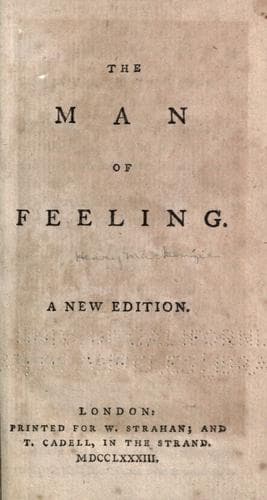
“There is a certain dignity in retiring from life at a time, when the
infirmities of age have not sapped our faculties. This world, my dear
Charles, was a scene in which I never much delighted. I was not formed
for the bustle of the busy, nor the dissipation of the gay; a thousand
things occurred, where I blushed for the impropriety of my conduct when I
thought on the world, though my reason told me I should have blushed to
have done otherwise.—It was a scene of dissimulation, of restraint, of
disappointment. I leave it to enter on that state which I have learned
to believe is replete with the genuine happiness attendant upon virtue.
I look back on the tenor of my life, with the consciousness of few great
offences to account for. There are blemishes, I confess, which deform in
some degree the picture. But I know the benignity of the Supreme Being,
and rejoice at the thoughts of its exertion in my favour. My mind
expands at the thought I shall enter into the society of the blessed,
wise as angels, with the simplicity of children.” He had by this time
clasped my hand, and found it wet by a tear which had just fallen upon
it.—His eye began to moisten too—we sat for some time silent.—At last,
with an attempt to a look of more composure, “There are some
remembrances,” said Harley, “which rise involuntary on my heart, and make
me almost wish to live. I have been blessed with a few friends, who
redeem my opinion of mankind. I recollect, with the tenderest emotion,
the scenes of pleasure I have passed among them; but we shall meet again,
my friend, never to be separated. There are some feelings which perhaps
are too tender to be suffered by the world.—The world is in general
selfish, interested, and unthinking, and throws the imputation of romance
or melancholy on every temper more susceptible than its own. I cannot
think but in those regions which I contemplate, if there is any thing of
mortality left about us, that these feelings will subsist;—they are
called,—perhaps they are—weaknesses here;—but there may be some better
modifications of them in heaven, which may deserve the name of virtues.”
He sighed as he spoke these last words. He had scarcely finished them,
when the door opened, and his aunt appeared, leading in Miss Walton. “My
dear,” said she, “here is Miss Walton, who has been so kind as to come
and inquire for you herself.” I could observe a transient glow upon his
face. He rose from his seat—“If to know Miss Walton’s goodness,” said
he, “be a title to deserve it, I have some claim.” She begged him to
resume his seat, and placed herself on the sofa beside him. I took my
leave. Mrs. Margery accompanied me to the door. He was left with Miss
Walton alone. She inquired anxiously about his health. “I believe,”
said he, “from the accounts which my physicians unwillingly give me, that
they have no great hopes of my recovery.”—She started as he spoke; but
recollecting herself immediately, endeavoured to flatter him into a
Public-domain text, read in full here on John Shaqi.
Reviews
Reviews
No reviews yet
Be the first to share your thoughts on this work.
Elsewhere in the archive
Join the Discussion
Join the discussion
Sign in to leave a comment or review.
Sign InorCreate an account