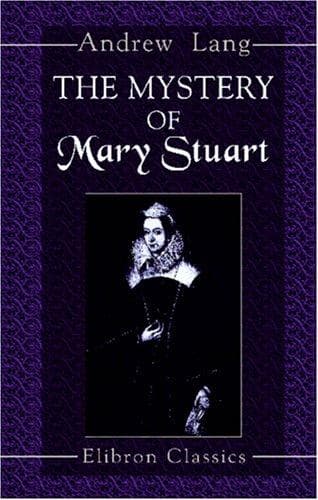
Mary, Queen of Scots, 1542-1587; Queens -- Scotland -- Biography; Scotland -- History -- Mary Stuart, 1542-1567
The Lords were now, with these letters to justify them, in a relatively
secure position. They could, and did, play off France against England:
both of these countries were anxious to secure the person of the baby
Prince, both were obliged to treat with the Lords who had the alliance of
Scotland to bestow. Elizabeth wavered between her desire, as a Queen, to
help a sister Queen, and her anxiety not to break with the dominant
Scottish party. The Lords had hanged a retainer of Bothwell, Blackader,
taken after Carberry, who denied his guilt, and against whom nothing was
proved: but he had a Lennox jury. Two other underlings of Bothwell, his
porter Powrie and his ‘chamber-child’ Dalgleish, were taken and examined,
but their depositions, as reported by the Lords themselves, neither
implicated Mary, nor threw any light on the date at which the idea of an
explosion was conceived. It was then believed to have been projected
before Mary went to bring Darnley from Glasgow. This opinion reflected
itself in what was conceivably the earlier forged draft, never publicly
produced, of the long ‘Glasgow Letter’ (II.) Later information may have
caused that long letter to be modified into its present shape, or, as
probably, induced the Lords to fall back on a partly genuine letter, our
Letter II.
The Lords did by no means make public use, at first, of the Letters which
they had found, and were possibly garbling. We shall later make it clear,
it is a new point, that, on the very day of the reading, the Lords sent
Robert Melville post haste to Elizabeth, doubtless with verbal information
about their discovery. Leaving Edinburgh on June 21, the day of the
discovery, Melville was in London on June 23 or 24, dispatched his
business, and was in Berwick again on June 28. He carried letters for
Moray in France, but, for some reason, perhaps because the letters were
delayed or intercepted, Moray had to be summoned again. Meanwhile the
Lords, otherwise, kept their own counsel.[212] For reasons of policy they
let their good fortune ooze out by degrees.
On June 25, Drury, writing from Berwick, reports that ‘the Queen has had a
_box_,’ containing papers about her intrigues with France. ‘It is
promised Drury to have his part of it.’ This rumour of a ‘box’ _may_ refer
to the capture of the Casket.[213] On June 29, Drury again wrote about the
‘box,’ and the MSS. in it, ‘part in cipher deciphered.’ Whether this ‘box’
was the Casket, a false account of its contents being given to Drury, is
uncertain. We hear no more of it, nor of any of Mary’s own papers and
letters to her: no letters to her from Bothwell are reported.
Public-domain text, read in full here on John Shaqi.
Reviews
Reviews
No reviews yet
Be the first to share your thoughts on this work.
Elsewhere in the archive
Join the Discussion
Join the discussion
Sign in to leave a comment or review.
Sign InorCreate an account