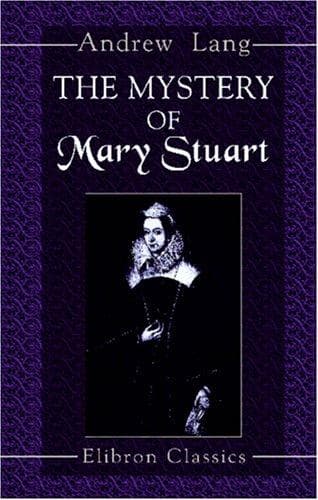
Mary, Queen of Scots, 1542-1587; Queens -- Scotland -- Biography; Scotland -- History -- Mary Stuart, 1542-1567
Lesley (Bishop of Ross), considers Bothwell a handsome man, 18;
wishes Mary to put Moray in ward, 75;
Huntly’s statement to, respecting Mary’s counter accusations, 96;
member of council, 172, 178;
asserts the Letters were not signed, 198;
on unsigned Letters attributed to Mary, 212;
one of Mary’s commissioners at York, 246;
share in the schemes of the Duke of Norfolk, 246;
report of an interview with Mary at Bolton, 247;
confession contradicted by Melville’s, 250;
conference with Lethington about the Letters, 258;
pleads for Mary to be heard in person before Elizabeth, 267;
protests against Moray’s production of the Letters, 270;
Elizabeth’s three choices to him, 283;
charge against Moray and the Lords, 285;
curious letter to John Fitzwilliam, 286 note;
on counterfeiters of Mary’s handwriting, 356
Lethington, Sir Richard (father of Maitland of Lethington), 23
Lethington (William Maitland, the younger), early life and culture, 23;
arguments with Knox, 23, 24;
Secretary to Mary of Guise, 23;
desires the union of the crowns of England and Scotland, 23;
friendly advances to Mary before her arrival in Scotland, 24;
character, 24;
allied by marriage with the Earl of Atholl, 24;
love affair with Mary Fleming, 24;
in every scheme against Darnley, 25;
dislikes and is hated by Bothwell, 25;
joins Mary’s enemies, 25;
nicknamed Michael Wylie (Machiavelli), 26;
political principles, 52;
counsels drastic measures against Riccio, 66;
reconciled by Mary to Bothwell, 81;
concerned in the murder ‘band’ against Darnley, 88, 90;
his method of dealing with Darnley, which Parliament would support,
98, 99, 103;
favours a project of marriage between Norfolk and Mary, 155;
charged with complicity in the Darnley murder, 155, 156, 159;
refuses to aid Moray in betraying Norfolk, 156;
in attendance on Mary, 179;
prisoner at Dunbar, 179, 180, 181;
declares that Mary means to marry Bothwell, 181;
escapes from Bothwell, 182;
question of friendship for or enmity to Mary, 182;
flies to confederated Lords, 185;
persuades Sir J. Balfour to surrender Edinburgh Castle, 186;
interview with Mary, 188, 189;
reasons for his treachery to Mary, 190, 191, 192;
statement to Throckmorton respecting his conduct towards her, 204;
Randolph accuses him of advising Mary’s death, 204;
statement to Throckmorton about the letters, 205;
Mary’s documentary charge against him, 243, 244;
conduct at the York Conference, 246, 252;
accused of stealing the Casket Letters, and having them copied by his
wife, 248;
explains the reason for Mary’s abduction, 255;
his privy disclosure of the Letters, 257;
shakes Norfolk’s belief in same, 258;
discriminating attitude between private and public exhibition of
Letters, 287;
Public-domain text, read in full here on John Shaqi.
Reviews
Reviews
No reviews yet
Be the first to share your thoughts on this work.
Elsewhere in the archive
Join the Discussion
Join the discussion
Sign in to leave a comment or review.
Sign InorCreate an account