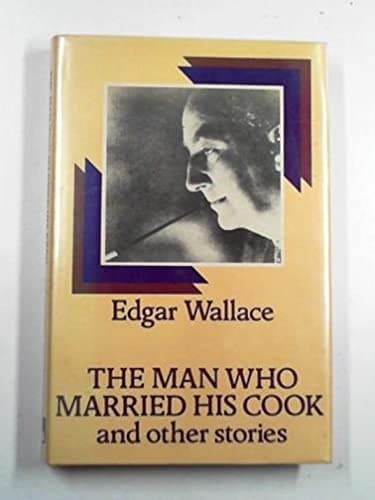
Detective and mystery stories; English fiction -- 20th century
As for women--he knew the silly ardent creatures went down like
nine-pins before the smiling glance of his eyes and the unfailing
courtesy of his manners. There was Lady Angela, the Duke of
Manchester's daughter, a slender dryad-girl, with soft eyes and a
halo of pale golden hair, whom the count had sketched upon a recent
visit to their country-house, and whom, it was reported, he might
have any day, for the asking.
"Why don't he ask her, then?" he growled aloud.
The detective, who lounged opposite him, warm coils of smoke
ascending from his briar pipe, regarded him with humorous eyes.
"I don't follow you," he said. He glanced down at the open letter,
which Van Ingen still held tightly in his hand.
"Do you want him to marry her?"
Van Ingen reddened. "I--I beg your pardon!" he stammered. "I was
thinking of Lady Angela."
The detective smoked on tranquilly, though it was apparent he did not
get the connection. Van Ingen, however, vouchsafed no further
explanation, and presently the conversation fell upon other things.
The next morning Cord had awakened greatly refreshed, and with his
resolve strengthened to continue the investigation. In company with
Smith, he had interviewed Sir George Calliper, and seen the tragic
end of Moss. As they walked homeward in the cold air of the early
morning, Cord speculated upon the manner of man was this Count
Poltavo. Beside him, the detective pondered, grimly, the same
problem.
Hyatt--the man on the Eiffel Tower--the Wady Barrage--the mysterious
bears--what connection was there one with another?
"To ---- HYATT, A FRIEND OF THE LATE LEWIS MOSS
"Information concerning the whereabouts of the above-mentioned Hyatt
is urgently required. Immediate communication should be made to the
nearest police-station."
This notice appeared under the heading, "Too Late for
Classification," in every London newspaper the morning following the
murder of Moss.
"It is possible that the name is an assumed one," said T. B., "but
the Falmouth clue narrows the search."
An "all-station" message was flashed throughout the metropolis:
"Arrest and detain Count Ivan Poltavo" (here followed a description),
"on suspicion of being concerned in the murder of Lewis Moss."
But Count Poltavo anticipated the arrest, for hardly had the last
message been despatched when he himself entered the portico of
Scotland Yard and requested an interview with T. B.
"Yes," he said sadly, "I knew this young man. Poor fellow!"
He gave a very frank account of his dealings with Moss, offered a
very full explanation of his own movements on the night of the
murder, and was finally dismissed by a perplexed Commissioner, who
detached an officer to verify all that Poltavo had said.
T. B. was worried, and showed it, after his own fashion. He sent Van
Ingen by an early train to pursue his enquiries in Cornwall, and then
went into the City.
An interview with the head of the banking-house of Bronte was not
satisfactory.
Public-domain text, read in full here on John Shaqi.
Reviews
Reviews
No reviews yet
Be the first to share your thoughts on this work.
Elsewhere in the archive
Join the Discussion
Join the discussion
Sign in to leave a comment or review.
Sign InorCreate an account