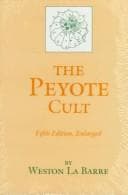
Indians of North America -- Religion; Indians of North America -- Rites and ceremonies; Peyotism
_Peyote Breakfast._ The foods in the ritual breakfast in the tipi are
so standardized as scarcely to allow comparative treatment. They are
merely minor variations on the theme: water, parched corn in sweetened
water, fruit and dried sweetened meat.[141] From the Lipan (roasted
corn, yucca fruit, wild fruit and meat, according to Opler) to the Ute
(canned corn, canned peaches and corned beef, as reported by Mrs. Cooke)
the uniformity is striking. These foods are eaten from a common set
of four vessels,[142] which are passed around with a single spoon in
each. Sometimes ground hominy or parched corn mush is substituted, and
Hoebel reports the Northern Cheyenne use of Cracker Jack for the parched
corn. Beef is the usual meat, in boneless chunks or dried, pounded and
sweetened, but pork (tabooed for the Comanche) is reported for the Ponca
and Northern Cheyenne.[143] Wild fruits are somewhat preferred to canned
varieties, but are not always obtainable. Although the original meanings
and connections with agricultural, gathering and hunting ceremonies
have long since been lost sight of, the feeling for the proper foods in
a peyote breakfast is still quite strong in the Plains, a remarkable
instance of culture continuity.
FOOTNOTES:
[1] For convenience of reference I have followed with all possible care
the sequence of the development and appearance of elements laid down in
the Kiowa-Comanche type-rite (above), of which the following paragraphs
are largely comparative discussions.
[2] Mooney, _Miscellaneous Notes_, 40.
[3] Opler, _Lipan Apache Field Notes_.
[4] Erminie Voegelin, _Shawnee Field Notes_.
[5] Ritual gathering of plants is not unknown elsewhere; see Mooney, _The
Sacred Formulas_.
[6] See G. A. Dorsey in _Handbook of the American Indians_, 2:650a (Sun
Dance), as well as Spier’s _The Sun Dance of the Plains Indians_.
[7] Hoebel says the Comanche formerly did not have all night meetings
because of the danger of attack while under the influence of the drug.
[8] Opler’s data suggest that even the vision-seeking motive is recent
among the Lipan.
[9] The Lipan prayed for protection from their enemies as well as for
health and long life.
[10] Petrullo, 48. The mourning council meeting was not unfamiliar in
pre-peyote times. One such council was held for Tarhe, chief priest
of the Wyandot, at Upper Sandusky, in the old days, attended by all
the tribes of Ohio, the Indiana Delaware and the Seneca of New York
(_Handbook of the American Indians_, 2:294).
[11] Four older men pray and the child is passed clockwise around the
tipi as every one present calls out its name.
[12] Meetings are held _for_ the corpse, which is present “facing east”
(head west) in the meeting; at the funeral next day he faces west. The
writer omitted to attend an Osage meeting at Hominy because it was a
funeral meeting.
[13] Cf. the uses of datura.
[14] La Flesche, _Peyote as Used in Religious Worship_, 21.
Public-domain text, read in full here on John Shaqi.
Reviews
Reviews
No reviews yet
Be the first to share your thoughts on this work.
Elsewhere in the archive
Join the Discussion
Join the discussion
Sign in to leave a comment or review.
Sign InorCreate an account