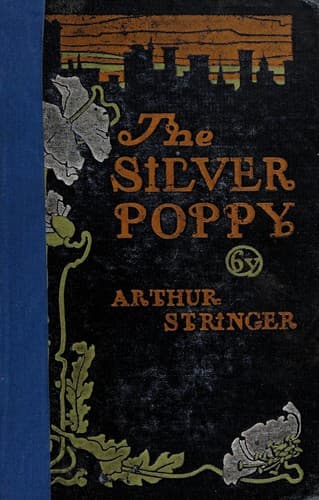
Authors -- Fiction; Canadian fiction; Impostors and imposture -- Fiction; New York (N.Y.) -- Social life and customs -- Fiction
She remembered the day she had discarded her own name, how
one morning she was Frances Rice, or often plain Fanny Rice, and the
next morning Cordelia Vaughan. She took the name from the Virginia
branch of her family, after much hesitation, she recalled, because
Valerie Vaughan, her cousin, had already identified that patronymic with
the gentle art of letters, smiling bitterly at the thought that under
that new name she had sprung into being as an artist as maturely and as
miraculously as the goddess Minerva herself.
Then she let her busy thoughts dwell on her first triumphant year in New
York, on many memories of the growing belief of her friends that she was
the daughter of an old and aristocratic Kentucky family, of her
interviews and her invitations, of her first intoxicating draught of
publicity, of her gradual dismay as she found herself being forgotten,
of her months of silent and agonized effort, that resulted in nothing,
of her restless nights and her feverish days, when her spirit cried out
for some balm for the itch which was burning and consuming her. She was
no fool, she knew; she was as clever as other women. But some essential
touch of imagination, some necessary element of creativeness, was not
hers; and it had been imposed upon her to seek by sheer strategy and
despairing strife that which came so lightly to the hand of others.
As she lay there alone in her rocking berth her withered and barren
heart itself grew appalled at the thought of those years of smallness,
of meanness, of deceit and duplicity, and endless lies. The enormity of
her wrong-doing overwhelmed her. And the bitterest sting of all lay in
the fact that so much of it was irreparable, that she had wronged not
only the living, but the dead as well.
The one appeasing oasis in that arid desert of deceit and self-seeking
was the memorial week she had journeyed back to the little Kentucky town
of her childhood and there watched over the erection of a granite shaft
beside the sadly neglected grave of a young Northerner who had once come
so intimately into her girlhood life.
She was not all bad, not all bad, she cried out to herself, piteously!
It was not yet too late. It might cost her much, but Love would show her
the way. That old dead past should be wiped out. She would tell her
husband everything. She would hold nothing back from him, and, with her
slate once clean, from that day she would show him, by her devotion to
him and his work, by her patient help, by her humility and her
tenderness, how she could be good, as other women--as the best of other
women.
Public-domain text, read in full here on John Shaqi.
Reviews
Reviews
No reviews yet
Be the first to share your thoughts on this work.
Elsewhere in the archive
Join the Discussion
Join the discussion
Sign in to leave a comment or review.
Sign InorCreate an account