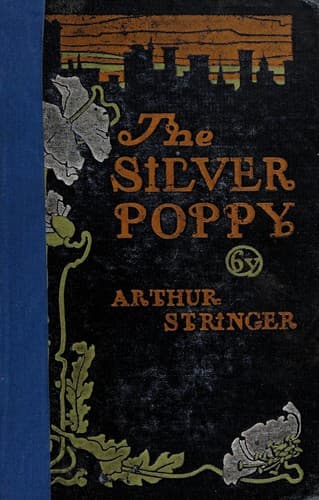
Authors -- Fiction; Canadian fiction; Impostors and imposture -- Fiction; New York (N.Y.) -- Social life and customs -- Fiction
Precisely what it meant no one attempted to define, but it sounded very
well, and what was more, it seemed to hint that the pale young authoress
from the hills of Kentucky had once known her own romance of the heart,
and that the gates of feeling had thereafter been closed to all
supplicants. This was a deduction so natural that the elderly maiden
lady who conducted a column of society chatter on one of the back pages
of a daily newspaper had even ventured to print--this was after a very
substantial dinner at Sherry's, where-at Cordelia herself was the
gracious and generous hostess--that many a stout heart of Manhattan had
reason to lament the fact that the feelings of a certain golden-haired
daughter of Kentucky were impregnable to all assault. The lady, indeed,
was so closely allied to literature that, unlike the philosopher of the
Rubaiyat, she could never be divorced from barren reason and make a
second marriage. This was all put with a slyness so adroit and yet with
an application so undoubted that it had once more been whispered about
that the beautiful young Kentucky genius preferred great dreams to Dan
Cupid. Her studious maiden-hood seemed hedged about by a bulwark of
half-written books. It was a sad example of beauty sacrificed on the
altar of bookishness.
And yet, it was argued, this precocious child of letters at some time
during her career must have learned to love, and love deeply; one critic
declared her pen to have been dipped not in ink, but "in the ruddy flood
of a warm and palpitating heart." If, in truth, she had never loved,
how, then, had that fluent pen of hers ever learned to write so movingly
and so masterfully of the divine passion?
How, indeed? That was the riddle which more than one puzzled mind had to
leave unread. That was a thought, too, that had troubled Hartley not a
little; there were times when he felt vaguely envious of that unknown,
mysterious, shrouded past. He had read also that Cordelia had declared
that she could never marry, that devotion to her art precluded any such
worldly consummation. It had even crept into print that Iscaro, the
Egyptian palmist, had sealed her girlhood decision by prophesying that
she was to achieve immortality only through a life of celibacy.
Yet such are the cross-threads of fate. For Hartley, puzzling over these
things as others before him had done, had built up in his consciousness
an incongruous, self-contradictory, impossible character of a woman who
seemed to him always warm to the eye and was yet destined to prove
marble cold to the touch.
Public-domain text, read in full here on John Shaqi.
Reviews
Reviews
No reviews yet
Be the first to share your thoughts on this work.
Join the Discussion
Join the discussion
Sign in to leave a comment or review.
Sign InorCreate an account