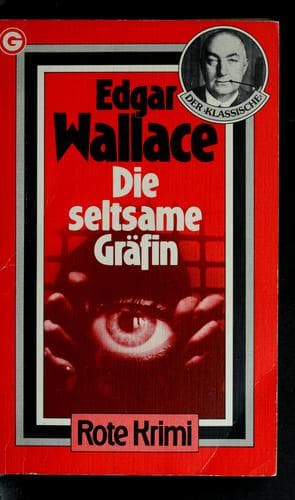
Countesses -- Fiction; Crime -- Fiction; Detective and mystery stories; Household employees -- Fiction; Young women -- Fiction
“----when he met Mary Pinder, who was then a very beautiful girl of
seventeen or eighteen, he should fall in love with her. He did not
reveal his identity. He had a craze for walking tours, and at that
time was travelling through Hereford--not under his own name, which
was Viscount Craman, but under the name of Pinder, which was his
mother’s maiden name. He met the girl several times without telling
her who he was, and married her by special licence, in the name of
Pinder, intending to reveal his status after the marriage. They had
been living together for a month, when he was suddenly called home by
the illness of his father, and arrived in Scotland to find the late
Earl dying of malignant scarlet fever. By a cruel fate, William was
infected with the disease and died two days after his father, leaving
his widow, ignorant alike of his identity and where he was staying.
“As he was dying, he told his stepmother, the present Lady Moron, the
story of his marriage, and begged her to send for his wife. This she
refrained from doing, especially when she learnt that the girl did not
know where or who he was. Lord Moron, as of course he was then, was
buried. Some time after the countess went to Hereford to seek out the
widow. Mrs. Pinder was living in the house of an eccentric woman, a
drug-taker and slightly mad. The woman had threatened to commit
suicide many times, and it happened that on the morning her ladyship
arrived in Hereford and made a call at the house to satisfy her
curiosity about her stepson’s wife, the landlady took the fatal step,
and when the caller walked into her room, she found her dead, with a
letter on the table announcing why she had committed suicide.
“Lady Moron is a woman of infinite resource. Here, she thought, was an
opportunity of removing for ever a possible claimant to the Moron
estate. On the table were a number of jewels and some money, which the
woman had put there in her madness. Gathering these, her ladyship went
into the girl’s room. She guessed it was hers when she saw the
photograph of William on the mantelpiece, a photograph which was
afterwards left in Lois’ room to discover if she knew her father. Lady
Moron placed the jewels and the poison in an open box, locked it,
taking away the key, and also a letter which would not only have
established Mrs. Pinder’s innocence, but if the part Lady Moron played
became public property, would also establish hers! That is the
explanation for what would seem at the most to be an indiscretion.
Public-domain text, read in full here on John Shaqi.
Reviews
Reviews
No reviews yet
Be the first to share your thoughts on this work.
Elsewhere in the archive
Join the Discussion
Join the discussion
Sign in to leave a comment or review.
Sign InorCreate an account