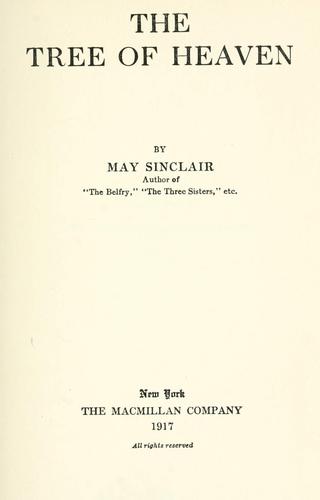
Women -- Suffrage -- Great Britain -- Fiction; World War, 1914-1918 -- Great Britain -- Fiction
Solemnly, in the grey evening of the rain, with their faces set in a
sort of stern esctasy, the Highlanders played to their comrades. Michael
did not know whether their tune was sad or gay. It poured itself into
one mournful, savage, sacred cry of salutation and valediction. When it
stopped the men shouted; there were voices that barked hoarsely and
broke; voices that roared; young voices that screamed, strung up by the
skirling of the bagpipes. The pipers played to them again.
And suddenly Michael was overcome. Pity shook him and grief and an
intolerable yearning, and shame. For one instant his soul rose up above
the music, and was made splendid and holy, the next he cowered under it,
stripped and beaten. He clenched his fists, hating this emotion that
stung him to tears and tore at his heart and at the hardness of
his mind.
As the troop-train moved slowly out of the station the pipers, piping
more and more shrilly, swung round and marched beside it to the end of
the platform. The band ceased abruptly, and the men answered with shout
after shout of violent joy; they reared up through the windows,
straining for the last look--and were gone.
Michael turned to the porter who lifted his luggage from the rack. "What
regiment are they?" he said.
"Camerons, sir. Going to the Front."
The clear, uncanny eyes of Veronica's father pursued him now.
* * * * *
At last he had got away from it.
In Rathdale, at any rate, there was peace. The hills and their pastures,
and the flat river fields were at peace. And in the villages of Morfe
and Renton there was peace; for as yet only a few men had gone from
them. The rest were tied to the land, and they were more absorbed in the
hay-harvest than in the War. Even the old Belgians in Veronica's cottage
were at peace. They had forgotten.
For three days Michael himself had peace.
He went up to Veronica's hill and sat on it; and thought how for
hundreds of miles, north, south, east and west of him, there was not a
soul whom he knew. In all his life he had never been more by himself.
This solitude of his had a singular effect on Michael's mind. So far
from having got away from the War he had never been more conscious of it
than he was now. What he had got away from was other people's
consciousness. From the beginning the thing that threatened him had
been, not the War but this collective war-spirit, clamouring for his
private soul.
Public-domain text, read in full here on John Shaqi.
Reviews
Reviews
No reviews yet
Be the first to share your thoughts on this work.
Elsewhere in the archive
Join the Discussion
Join the discussion
Sign in to leave a comment or review.
Sign InorCreate an account