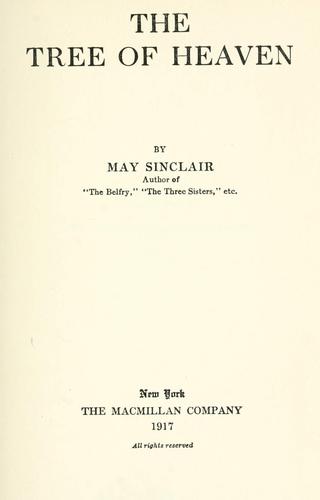
Women -- Suffrage -- Great Britain -- Fiction; World War, 1914-1918 -- Great Britain -- Fiction
Nicky had taken it for granted even then that he would go out some time.
He remembered how he had said, "Not yet."
He thought: "Of course; this must have been what he meant."
And presently he fell asleep, exhausted and at the same time appeased.
* * * * *
It was morning.
Michael's sleep dragged him down; it drowned and choked him as he
struggled to wake.
Something had happened. He would know what it was when he came clear out
of this drowning.
Now he remembered. Nicky was killed. Last Sunday. He knew that. But that
wasn't all of it. There was something else that followed on--
Suddenly his mind leaped on it. He was going out. He would be killed
too. And because he was going out, and because he would be killed, he
was not feeling Nicky's death so acutely as he should have thought he
would have felt it. He had been let off that.
He lay still a moment, looking at the thing he was going to do, feeling
a certain pleasure in its fitness. Drayton and Réveillaud and Lawrence
had gone out, and they had been killed. Ellis and Mitchell and
Monier-Owen were going out and they would certainly be killed. Wadham
had gone out and young Vereker, and they also would be killed.
Last Sunday it was Nicky. Now it must be he.
His mind acknowledged the rightness of the sequence without concern. It
was aware that his going depended on his own will. But never in all his
life had he brought so little imagination to the act of willing.
He got up, bathed in the river, dressed, and ate his breakfast. He
accepted each moment as it arrived, without imagination or concern.
Then his mother's letter came. Frances wrote, among other things: "I
know how terribly you will be feeling it, because I know how you cared
for him. I wish I could comfort you. We could not bear it, Michael, if
we were not so proud of him."
He answered this letter at once. He wrote: "I couldn't bear it either,
if I were not going out. But of course I'm going now."
As he signed himself, "Your loving Michael," he thought: "That settles
it." Yet, if he had considered what he meant by settling it he would
have told himself that he meant nothing; that last night had settled it;
that his resolution had been absolutely self-determined and absolutely
irrevocable then, and that his signature gave it no more sanctity or
finality than it had already. If he was conscript, he was conscript to
his own will.
He went out at once with his letter, though he knew that the post did
not leave Renton for another five hours.
Public-domain text, read in full here on John Shaqi.
Reviews
Reviews
No reviews yet
Be the first to share your thoughts on this work.
Elsewhere in the archive
Join the Discussion
Join the discussion
Sign in to leave a comment or review.
Sign InorCreate an account