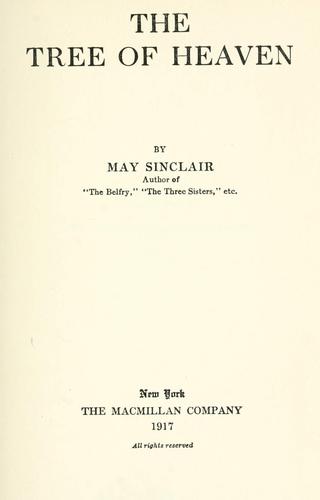
Women -- Suffrage -- Great Britain -- Fiction; World War, 1914-1918 -- Great Britain -- Fiction
She was her brother Michael, refusing to go to the party; refusing to
run with the school herd, holding out for his private soul against other
people who kept him from remembering. Only Michael did not hold out. He
ran away. She would stay, on the edge of the vortex, fascinated by its
danger, and resisting.
But as she looked at them, at Rosalind with her open mouth, at the
Blackadder girl who was scowling horribly, and at Valentina Gilchrist,
sceptical and quizzical, she laughed. The three had been trying to rush
her, and because they couldn't rush her they were questioning her
honour. She had asked them plainly for a plain meaning, and their idea
of apt repartee was to pretend to question her honour.
Perhaps they really did question it. She didn't care. She loathed their
excited, silly, hurrying suspicion; but she didn't care. It was she who
had drawn them and led them on to this display of incomparable idiocy.
Like her brother Nicholas she found that adversity was extremely funny;
and she laughed.
She was no longer Michael, she was Nicky, not caring, delighting in her
power to fool them.
"You think," she said, "I'd no business to find out?"
"Your knowledge would certainly have been mysterious," said the
Secretary; "unless at least two confidences had been betrayed. Supposing
there had been any secret policy."
"Well, you see, I don't know it; and I didn't invent it; and I didn't
find it out--precisely. Your secret policy is the logical conclusion of
your present policy. I deduced it; that's all. Anybody could have done
the same. Does that satisfy you? (They won't love me any better for
making them look fools!)"
"Thank you," said Miss Gilchrist. "We only wanted to be sure."
The dinner-bell rang as Dorothy was defining her position.
"I'll work for you; I'll speak for you; I'll write for you; I'll fight
for you. I'll make hay of every Government meeting, if I can get in
without lying and sneaking for it. I'll go to prison for you, if I can
choose my own crime. But I won't give up my liberty of speech and
thought and action. I won't pledge myself to obey your orders. I won't
pledge myself not to criticize policy I disapprove of. I won't come on
your Committee, and I won't join your Union. Is that clear and
precise enough?"
Somebody clapped and somebody said, "Hear, Hear!" And somebody said, "Go
it, Dorothy!"
It was Anthony and Frances and Captain Drayton, who paused outside the
door on their way to the dining-room, and listened, basely.
* * * * *
They were all going now. Dorothy stood at the door, holding it open for
them, glad that it was all over.
Only Phyllis Desmond, the art-student, lingered. Dorothy reminded her
that they had met at her aunt Vera Harrison's house.
The art-student smiled. "I wondered when you were going to remember."
"I did, but they all called you Desmond. That's what put me out."
"Everybody calls me Desmond. You had a brother or something with you,
hadn't you?"
Public-domain text, read in full here on John Shaqi.
Reviews
Reviews
No reviews yet
Be the first to share your thoughts on this work.
Join the Discussion
Join the discussion
Sign in to leave a comment or review.
Sign InorCreate an account