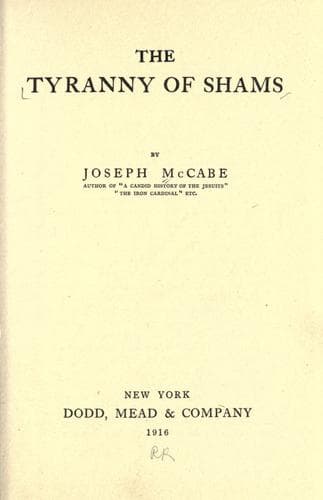
Great Britain -- Social conditions; Moral conditions; Social problems
The nation at present leaves it to commercial interest and to
philanthropy to carry out, in some measure, this important function,
and we may at once eliminate the commercial interest. It supplies, at
a proper profit, what is demanded. A minority ask for cheap works of
science and art and history, and several admirable series of manuals
and serial publications are supplied. A majority, an overwhelming
majority, asks only to be entertained, and there is a mighty flood of
novels and amusing works, a rich crop of music-halls and
bioscope-shows and theatres and skating rinks. It will readily be
understood that, regarding happiness as the ultimate ideal, I regard
entertainment as a proper part of life. The comedian and the
story-teller and the professional football-player are rendering good
service, and it is intellectual snobbery to murmur that they "merely
entertain" people. A good deal of nonsense is written about sport
and entertainment. Many of us can, with pleasant ease, suspend a
severely intellectual task for a few hours to witness a first-class
football match. One wonders if some of the ascetics who speak about
"mudded oafs" and "the football craze" are aware that the game
(except for professional players) occupies merely an hour and a half a
week (or alternate week) for little more than half a year.
The mischief is that so much of our entertainment appeals to and
fosters a state of mind or taste which does exclude culture. We have
to-day an army of puritan scouts, watching our music-halls and
cinematograph films, our picture-cards and novels, our open spaces by
night and our bathing-beaches by day, calculating minutely what amount
of dress or undress or sexual allusion they may permit. Certainly we
need coercion in these matters. No one who moves amongst our average
people, in any rank of society, can fail to recognise that there would
be in time a volcanic outpour of sexuality if we did not impose
restriction. Whether this chaste pruriency of the modern Churches is
an admirable thing, and whether its hirelings are a desirable
supplement to the police-force, need not be discussed here; but what
amuses one is their intense zeal to detect the narrowest fringe of
impropriety and their utter obtuseness to graver matters. I have
sometimes, when waiting before a lecture in the dressing-room of a
variety theatre, been confronted with a notice that "the curtain
will be rung down on any artist who says 'Damn' or mentions the
lodger," or, more candidly (in the Colonies): "Don't swear. We
don't care a damn, but the public does." The general public would,
if it were consulted, probably make the same reply as the framers of
the notice, and would blame the police for the restriction of liberty.
There is, in a word, an appalling poverty of taste in the general
public, and it pays the purveyor of entertainment to adapt his wares
to it as far as the police will permit. To this lamentable lack of
Public-domain text, read in full here on John Shaqi.
Reviews
Reviews
No reviews yet
Be the first to share your thoughts on this work.
Elsewhere in the archive
Join the Discussion
Join the discussion
Sign in to leave a comment or review.
Sign InorCreate an account