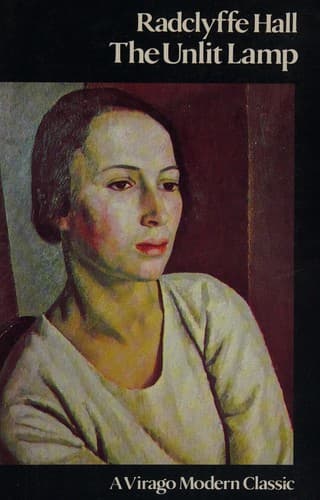
England -- Fiction; Mothers and daughters -- Fiction
Joan folded the letter and sat staring in front of her. So it had really
come very near; her freedom, her life with Elizabeth. The flat would
have a study with shelves for their books; they would go out of it every
morning to jostle with crowds, to work and grow tired; and come back to
it every evening to talk, study, or perhaps to rest. They would cook
their own supper, or sometimes go out to one of the little Italian
restaurants that Richard had told her about, queer little restaurants
with sanded floors and coarse linen tablecloths. Sometimes, when they
could afford it, they would go to cheap seats at the theatre or to the
gallery at Covent Garden, and afterwards find their way home in the
'bus, or the Underground, discussing what they had seen and heard. They
would unlock their front door with their own latch-key and hang up their
coats in their own front hall; then they would laugh and joke together
over the old days in Seabourne, which, by then, would seem very far
away.
"Joan!" came her aunt's voice with a note of irritation; "Joan, I asked
you to do those flowers for the drawing-room. Have you forgotten?"
CHAPTER TWENTY-THREE
1
MRS. OGDEN wrote yet again: "I brought your father home yesterday; the
doctor thought he would be better in his own house. God knows if the
cure has helped him at all, I do not think so; but, Joan, my dearest,
come back to me at once, for I am so longing to see you."
Joan looked into the fire; she did not care whether her father was
better or worse, and now she did not care whether she cared or not. From
Seabourne to Blumfield, from Blumfield to Seabourne! And that was just
life; not a tragedy at all, only life, a simple and monotonous business.
As their train drew in to the familiar station the tall figure of
Elizabeth was waiting on the platform. She was standing very still, like
a statue of Fate; a porter, pushing a truck of luggage towards her,
called out: "By your leave, miss!" and seemed to expect her to move; but
the tall, impassive figure appeared not to notice him and he pulled up
abruptly, skirting it as best he could.
Milly said: "Hallo, Elizabeth!" and then: "What a beastly station this
is. I hate the bare flower-beds and the cockle-shells!"
They collected the luggage, Elizabeth unusually silent. It was not until
they drove off in the fly that she began to talk.
"Joan, your father is very ill; Mrs. Ogden told me to meet you, she
couldn't leave him to-day. He's no better for the cure--they say he's
worse; but you'll judge for yourself when you see him."
Public-domain text, read in full here on John Shaqi.
Reviews
Reviews
No reviews yet
Be the first to share your thoughts on this work.
Elsewhere in the archive
Join the Discussion
Join the discussion
Sign in to leave a comment or review.
Sign InorCreate an account