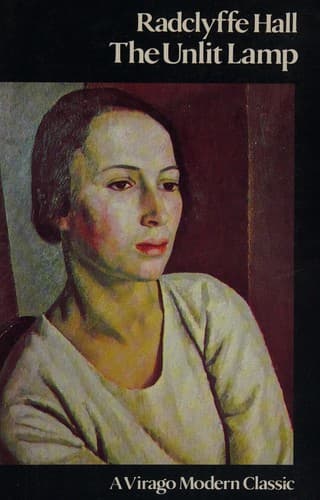
England -- Fiction; Mothers and daughters -- Fiction
"Joan, you've known me for years now. I was your teacher when you were
quite little. I used to think you looked like a young colt then, I
remember--never mind that--only you've known me too long really to know
me; that can happen I think. I often wish I could get inside you and
know just how I look to you, what sort of woman I am as you see me,
because I don't believe it's the real me. I believe you see your old
teacher, and later on your very good and devoted friend. Well, that's
all right so far as it goes; that's part of me, but only a part. There's
another big bit that's quite different; you saw the edge of it when I
left you to go to London. It's not neat and calm and self-possessed at
all, and above all it's outrageously discontented and adventurous; it
longs for all sorts of things and hates being crossed. This part of me
loves life, real life, and beautiful things and brilliant, careless
people. It feels young, absurdly so for its age, and it demands the
pleasures of youth, cries out for them. I think it cries out all the
more because it's been so long denied. This me could be reckless of
consequences, greedy of happiness and jealous of competition. It is
jealous already of you, Joan, of any interests that seem to take your
attention off me, of any affection that might rob me of even a
hair's-breadth of you. It wants to keep you all to itself, to have all
your love and gratitude, all that makes you; and it wouldn't be
contented with less. Well, my dear, this side of me and the side that
you know are one and indivisible, they're the two halves of the whole
that is Elizabeth Rodney; what do you think of her? Aren't you a little
afraid after this revelation?"
Joan laughed quietly. "No," she said, "I'm not a bit afraid. Because,
you see, I think I've known the real Elizabeth for a long time now."
CHAPTER THIRTY-ONE
1
THE tiny study at Alexandra House was bright with flowers, although it
was November. The flowers had been the gift of one of Harriet Nelson's
youthful admirers, Rosie Wilmot, an art student. The room was littered
with a mass of futilities, including torn music and innumerable signed
photographs. The guilty smell of cigarette smoke hung on the air,
although the window had been opened.
Harriet, plump and pretty, with her red hair and blue eyes, lolled
ungracefully in the wicker arm-chair; her thick ankles stretched out in
front of her. On a low stool, sufficiently near these same ankles to
express humbleness of spirit, crouched Rosie Wilmot.
"_Chérie_," Harriet was saying with an exaggerated Parisian accent,
"you are a naughty child to spend your money on flowers for me!"
"But, darling, you know how I loved buying them!"
Rosie's sallow cheeks flushed at her own daring. Her long brown neck
rose up from a band of Liberty embroidery, like the stem of a carefully
coloured meerschaum. She rubbed her forehead nervously with a
paint-stained hand, fixing her irritatingly intense eyes the while on
Harriet's placid face.
Public-domain text, read in full here on John Shaqi.
Reviews
Reviews
No reviews yet
Be the first to share your thoughts on this work.
Elsewhere in the archive
Join the Discussion
Join the discussion
Sign in to leave a comment or review.
Sign InorCreate an account