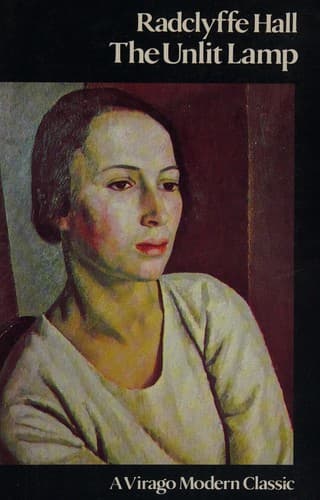
England -- Fiction; Mothers and daughters -- Fiction
They emptied their glasses and sucked in their moustaches. They lolled
back in the arm-chairs or straddled in front of the smoky fire. Their
eyes glowed with the enthusiasms of thirty or forty years ago. They
forgot that they were grey or white or bald, or mottled about the jowls,
that their stomachs protruded and their legs gave a little at the knees.
They forgot that their sons defied them and their wives thought them
bores, that their incomes were for the most part insufficient, and that
nearly all their careers had been ignominiously cut short by the age
limit. They lived again in their dashing youth, in the glorious days
when they had been heroes, at least in their own estimation; when a
scrap with savages had taken on the dimensions of Waterloo. When fine
girls and blood fillies met with about equal respect and admiration,
when moonlit nights on long verandas meant something other than an
attack of lumbago; and when, above all, they had classified their
fellow-men as being "One of us" or "An outsider."
There sat Mr. Pearson the bank manager, with the golden ball flying
around and above him, but never, oh! never within his grasp. He sighed,
he cleared his throat, he smoked a really good cigar that he could ill
afford; he envied. No, assuredly his youth provided no splendours. He
thought distastefully of the Grammar School, he spat mentally when he
remembered the Business College. He felt like a worm who is discovered
in a ducal salad, and he cringed a little and respected.
He, too, was bald these days, and his waistcoats gaped sometimes where
they buttoned; in seniority he was the equal of most of them, but in
family, opportunity, knowledge of life and love of fair women, judging
by their reminiscences, he was hopelessly their inferior.
He knew that they resented him as a blot on their club, and that time
would never soften this resentment. He knew all about their almost
invisible incomes, he even accorded financial accommodation to one or
another from time to time. He saw their bank books and treated with as
much tact as possible their minute overdrafts. Sometimes he was allowed
to offer advice regarding a change of investments or the best method
whereby to soften the heart of the Inland Revenue. But all this was at
the bank, in his own little office. Behind his roll-top desk he was a
power; in the little office it was they who hummed and hawed and found
it difficult to approach the subject, while he, urbane and smiling,
conscious of his strength, lent a patronizing ear to their doubts and
worries.
But positions were reversed in the smoking-room of the club. Securely
entrenched in their worn leather chairs, they became ungrateful, they
forgot, they ignored: "Eton, Christ Church, the Buffs, the Guards!" And
yet he would _not_ resign. He clung to the club like a bastard clings to
the memory of an aristocratic father--desperately, resentfully, with a
shamefaced sense of pride.
Public-domain text, read in full here on John Shaqi.
Reviews
Reviews
No reviews yet
Be the first to share your thoughts on this work.
Elsewhere in the archive
Join the Discussion
Join the discussion
Sign in to leave a comment or review.
Sign InorCreate an account