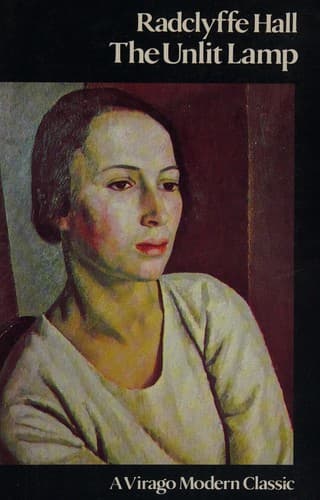
England -- Fiction; Mothers and daughters -- Fiction
General Brooke had gone to meet his old antagonist Colonel Ogden, and
Ralph Rodney had died of pleurisy, during the war. The Bensons had sold
Conway House to a profiteer grocer, and had moved to London. Richard,
who had written at intervals for one or two years after Elizabeth's
marriage, had long since ceased to write altogether. His last letter had
been unhappy and resentful, and now Joan did not know where he was. Sir
Robert and Lady Loo spent most of their time out of England, on account
of her health, and were seldom if ever, seen by the Ogdens.
Seabourne was changing; changing, yet always the same. The war had
touched it in passing, as the Memorial Cross in the market-place
testified; but in spite of world-wide convulsions, dreadful deeds in
Belgium and France, air raids in London and bombardments on the coast,
Seabourne had remained placid and had never lost its head. Immune from
bombs and shells by reason of its smug position, it had known little
more of the war than it gathered from its daily papers and the advent of
food tickets. Even the grip of the speculative post-war builder seemed
powerless to make it gasp. He came, he went, leaving in his wake a trail
of horrid toadstool growths which were known as the new suburb of
"Shingle Park." But few strangers came to live in these blatant little
houses; they were bought up at once by the local tradespeople, who moved
from inconvenient rooms over their shops to more inconvenient villas
outside the town.
Yes, any change that there was in Seabourne was more apparent than real;
and yet for Joan there remained very little to remind her of her youth,
beyond the same dull streets, the same dull shops and the same monotony,
which she now dreaded to break. In her bedroom was one drawer which she
always kept locked, it contained the books that she and Elizabeth had
pored over together. She had put them away eighteen years ago, and had
never had the courage to look at them since, but she wore the key of
that drawer on a chain round her neck; it was the only token of her past
that she permitted to intrude itself.
There was no one to be intimate with, for people like the Ogdens; Mrs.
Ogden refused to admit the upstarts to her friendship. Stiff-necked and
Routledge as ever, she repulsed their advances and Joan cared too little
to oppose her. Father Cuthbert and a few oldish women, members of the
congregation, were practically the only visitors at Leaside. Mrs. Ogden
liked to talk over parish affairs with them, the more so as she was
treated with deep respect, almost amounting to reverence, by the
faithful Father Cuthbert, who never forgot that she had been one of his
first supporters.
Public-domain text, read in full here on John Shaqi.
Reviews
Reviews
No reviews yet
Be the first to share your thoughts on this work.
Elsewhere in the archive
Join the Discussion
Join the discussion
Sign in to leave a comment or review.
Sign InorCreate an account