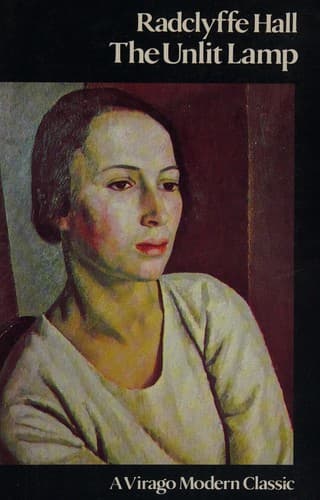
England -- Fiction; Mothers and daughters -- Fiction
"Shut up!" ordered Joan. "Who cares whether you've got a hundred and
fifty a year or not? Besides, anyhow, you're only a kid; you won't be
allowed to spend it now."
"It isn't now," said Milly thoughtfully. "It's afterwards that I care
about."
Mrs. Ogden ignored her younger daughter. What did it matter what Milly
felt or thought? She groped for Joan's hand and squeezed it.
"I think I ought to tell you," she said gravely, "that your father is
very much upset at this news; he's very much hurt by what your aunt has
done. I can understand and sympathize with his feelings. You see he
knows that he has always been a good father to you, and it would have
been more seemly had this money been left to him, though, of course,
your father and I have control of it until you each become twenty-one
years old or get married."
Something prompted her to make the situation quite clear to her
children. She had another motive for telling them, or at all events for
telling Joan, exactly how things stood; she wanted to know the worst at
once. She knew anything would be more endurable than uncertainty as to
how this legacy would affect Joan.
The children were silent; something awkward in the situation impressed
them; they longed to be alone to talk it over. Mrs. Ogden left the room
to interview the cook; she had had her say, and she felt now that she
could only await results.
3
As the door closed behind her they stared at each other incredulously.
Joan was the first to speak.
"What an extraordinary thing!" she said.
Milly frowned. "You are queer; I don't believe you're really pleased. I
believe you're almost sorry."
"I don't know quite what I am," Joan admitted. "It seems to worry
Mother, though I don't see why it should; but I have a feeling that
that's going to spoil it."
"Oh, you always find something to spoil everything. Why should it worry
Mother? It doesn't worry me; I think we're jolly lucky. I know what I'm
going to do, I'm going to talk to Doddsie this very day about going to
the Royal College of Music."
Joan scented trouble. Would Milly's little violin master side with her
when he knew of his pupil's future independence?
"You'd better look out," she warned. "You talk as though you had the
money now. Father won't agree to your going up to London, and anyhow
you're much too young. For goodness' sake go slow; one gets so sick of
rows!"
Milly smiled quietly; she felt that it was no good arguing with Joan;
Joan was always apprehensive and on the look-out for trouble. Milly knew
what she wanted to do and she intended to do it; after all, she
reckoned, she wouldn't remain thirteen years old for ever, and when the
time came for her to go to London to London she meant to go, so there
was no good fussing. A glow of satisfaction and gratitude began to creep
over her; she thought almost tenderly of Aunt Henrietta.
"Poor Aunt Henrietta!" she remarked in a sympathetic voice. "I hope it
didn't hurt her--the dying, I mean."
Public-domain text, read in full here on John Shaqi.
Reviews
Reviews
No reviews yet
Be the first to share your thoughts on this work.
Join the Discussion
Join the discussion
Sign in to leave a comment or review.
Sign InorCreate an account