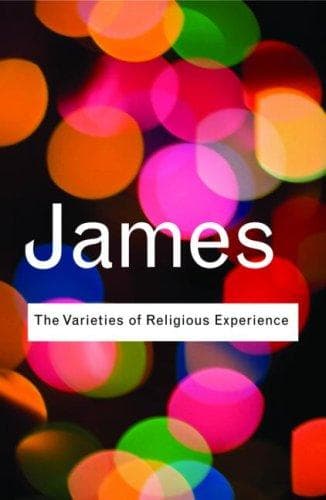
The Varieties of Religious Experience: A Study in Human NatureJames, William
ReligionComparative
The Varieties of Religious Experience: A Study in Human Nature
James, William
Conversion; Experience (Religion); Philosophy and religion; Psychology, Religious; Religion
Father Vianney’s asceticism taken in its totality was simply the result of
a permanent flood of high spiritual enthusiasm, longing to make proof of
itself. The Roman Church has, in its incomparable fashion, collected all
the motives towards asceticism together, and so codified them that any one
wishing to pursue Christian perfection may find a practical system mapped
out for him in any one of a number of ready‐made manuals.(180) The
dominant Church notion of perfection is of course the negative one of
avoidance of sin. Sin proceeds from concupiscence, and concupiscence from
our carnal passions and temptations, chief of which are pride, sensuality
in all its forms, and the loves of worldly excitement and possession. All
these sources of sin must be resisted; and discipline and austerities are
a most efficacious mode of meeting them. Hence there are always in these
books chapters on self‐mortification. But whenever a procedure is
codified, the more delicate spirit of it evaporates, and if we wish the
undiluted ascetic spirit,—the passion of self‐contempt wreaking itself on
the poor flesh, the divine irrationality of devotion making a sacrificial
gift of all it has (its sensibilities, namely) to the object of its
adoration,—we must go to autobiographies, or other individual documents.
Saint John of the Cross, a Spanish mystic who flourished—or rather who
existed, for there was little that suggested flourishing about him—in the
sixteenth century, will supply a passage suitable for our purpose.
“First of all, carefully excite in yourself an habitual
affectionate will in all things to imitate Jesus Christ. If
anything agreeable offers itself to your senses, yet does not at
the same time tend purely to the honor and glory of God, renounce
it and separate yourself from it for the love of Christ, who all
his life long had no other taste or wish than to do the will of
his Father whom he called his meat and nourishment. For example,
you take satisfaction in _hearing_ of things in which the glory of
God bears no part. Deny yourself this satisfaction, mortify your
wish to listen. You take pleasure in _seeing_ objects which do not
raise your mind to God: refuse yourself this pleasure, and turn
away your eyes. The same with conversations and all other things.
Act similarly, so far as you are able, with all the operations of
the senses, striving to make yourself free from their yokes.
“The radical remedy lies in the mortification of the four great
natural passions, joy, hope, fear, and grief. You must seek to
deprive these of every satisfaction and leave them as it were in
darkness and the void. Let your soul therefore turn always:
“Not to what is most easy, but to what is hardest;
“Not to what tastes best, but to what is most distasteful;
“Not to what most pleases, but to what disgusts;
“Not to matter of consolation, but to matter for desolation
rather;
Public-domain text, read in full here on John Shaqi.
Reviews
Reviews
No reviews yet
Be the first to share your thoughts on this work.
Elsewhere in the archive
Join the Discussion
Join the discussion
Sign in to leave a comment or review.
Sign InorCreate an account