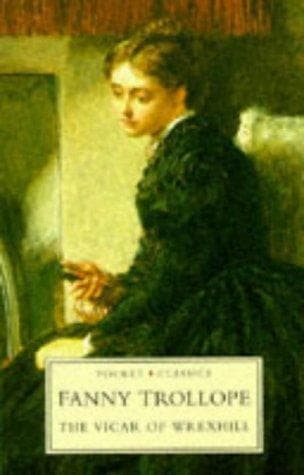
Clergy -- Fiction; Great Britain -- Fiction; Religious fiction
About an hour after the singing began, Henrietta approached Miss
Torrington, and said in a whisper too low to be heard at the instrument,
"My head aches dreadfully. Can you spare me?"
As she had not spoken a single syllable since the trio entered the
drawing-room after dinner, Rosalind could not wholly refrain from a
smile as she replied "Why, yes; I think I can."
"I am not jesting; I am suffering, Rosalind. You will not leave that
girl alone with him?"
"Dear Henrietta!" cried Rosalind, taking her hand with ready sympathy,
"I will not, should they sing together till morning. But is there
nothing I can do for you--nothing I can give you that may relieve your
head?"
"Nothing, nothing! Good night!" and she glided out of the room unseen by
Fanny and unregarded by her father.
It more than once occurred to Miss Torrington during the two tedious
hours that followed her departure, that Mr. Cartwright, who from time to
time stole a glance at her, prolonged his canticles for the purpose of
making her sit to hear them; a species of penance for her last night's
offence by no means ill imagined.
At length, however, he departed; and after exchanging a formal "Good
night," the young ladies retired to their separate apartments.
Rosalind rose with a heavy heart the following morning, hardly knowing
whether to wish for a letter from Charles Mowbray, which it was just
possible the post might bring her, or not. If a letter arrived, there
would certainly be no hope of seeing him; but if it did not, she should
fancy every sound she heard foretold his approach, and she almost
dreaded the having to answer all the questions he would come prepared to
ask.
This state of suspense, however, did not last long; for, at least one
hour before it was possible that a letter could arrive, Charles Mowbray
in a chaise with four foaming post-horses rattled up to the door.
Rosalind descried him from her window before he reached the house; and
her first feeling was certainly one of embarrassment, as she remembered
that it was her summons which had brought him there. But a moment's
reflection not only recalled her motives, but the additional reasons she
now had for believing she had acted wisely; so, arming herself with the
consciousness of being right, she hastened down stairs to meet him, in
preference to receiving a message through a servant, requesting to see
her.
She found him, as she expected, in a state of considerable agitation and
alarm; and feeling most truly anxious to remove whatever portion of this
was unnecessary, she greeted him with the most cheerful aspect she could
assume, saying, "I fear my letter has terrified you, Mr. Mowbray, more
than I wished it to do. But be quite sure that now you are here every
thing will go on as it ought to do; and of course, when your mother
returns, we can neither of us have any farther cause of anxiety about
Fanny."
Public-domain text, read in full here on John Shaqi.
Reviews
Reviews
No reviews yet
Be the first to share your thoughts on this work.
Elsewhere in the archive
Join the Discussion
Join the discussion
Sign in to leave a comment or review.
Sign InorCreate an account