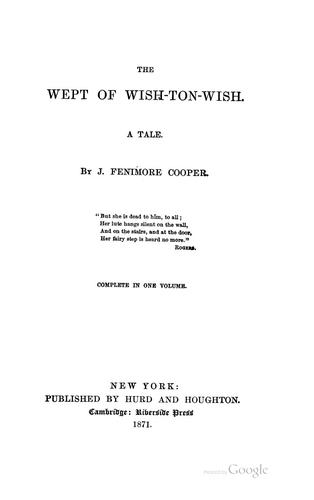
Historical fiction; King Philip's War, 1675-1676 -- Fiction; War stories
In the mean time, the unusual excitement, which had been so unexpectedly
awakened in the dwelling of the Heathcotes, began to subside in that quiet
which is in so beautiful accordance with the sacred character of the day.
The sun rose bright and cloudless above the hills, every vapor of the past
night melting before his genial warmth into the invisible element. The
valley then lay in that species of holy calm which conveys so sweet and so
forcible an appeal to the heart. The world presented a picture of the
glorious handywork of him who seems to invite the gratitude and adoration
of his creatures. To the mind yet untainted, there is exquisite loveliness
and even godlike repose in such a scene. The universal stillness permits
the softest natural sounds to be heard; and the buzz of the bee, or the
wing of the humming-bird, reaches the ear like the loud notes of a general
anthem. This temporary repose is full of meaning. It should teach how much
of the beauty of this world's enjoyments, how much of its peace, and even
how much of the comeliness of nature itself, is dependent on the spirit by
which we are actuated. When man reposes, all around him seems anxious to
contribute to his rest; and when he abandons the contentions of grosser
interests, to elevate his spirit, all living things appear to unite in
worship. Although this apparent sympathy of nature may be less true than
imaginative, its lesson is not destroyed, since it sufficiently shows that
what man chooses to consider good in this world is good, and that most of
its strife and deformities proceed from his own perversity.
The tenants of the valley of the Wish-Ton-Wish were little wont to disturb
the quiet of the Sabbath. Their error lay in the other extreme, since they
impaired the charities of life by endeavoring to raise man altogether
above the weakness of his nature. They substituted the revolting aspect of
a sublimated austerity, for that gracious though regulated exterior, by
which all in the body may best illustrate their hopes or exhibit their
gratitude. The peculiar air of those of whom we write was generated by the
error of the times and of the country, though something of its singularly
rigid character might have been derived from the precepts and example of
the individual who had the direction of the spiritual interests of the
parish. As this person will have further connexion with the matter of the
legend, he shall be more familiarly introduced in its pages.
Public-domain text, read in full here on John Shaqi.
Reviews
Reviews
No reviews yet
Be the first to share your thoughts on this work.
Elsewhere in the archive
Join the Discussion
Join the discussion
Sign in to leave a comment or review.
Sign InorCreate an account