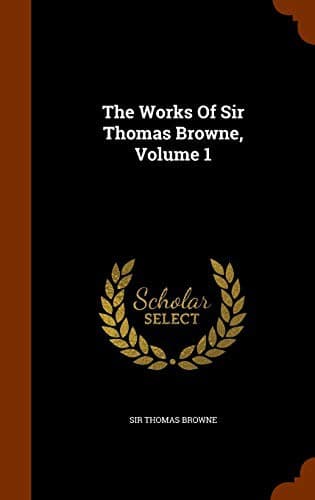
The Works of Sir Thomas Browne, Volume 1Browne, Thomas, Sir
Religion
The Works of Sir Thomas Browne, Volume 1
Browne, Thomas, Sir
Christianity; Ethics; Religion and medicine
For first, Men hereby impose a Thraldom on their Times, which the
ingenuity of no Age should endure, or indeed, the presumption of any did
ever yet enjoyn. Thus _Hippocrates_ about 2000 years ago, conceived it
no injustice, either to examine or refute the Doctrines of his
Predecessors: _Galen_ the like, and _Aristotle_ the most of any. Yet did
not any of these conceive themselves infallible, or set down their
dictates as verities irrefragable, but when they deliver their own
Inventions, or reject other mens Opinions, they proceed with Judgment
and Ingenuity; establishing their assertion, not only with great
solidity, but submitting them also unto the correction of future
discovery.
Secondly, Men that adore times past, consider not that those times were
once present; that is, as our own are at this instant, and we our selves
unto those to come, as they unto us at present, as we relye on them,
even so will those on us, and magnifie us hereafter, who at present
condemn our selves. Which very absurdity is daily committed amongst us,
even in the esteem and censure of our own times. And to speak
impartially, old Men, from whom we should expect the greatest example of
Wisdom, do most exceed in this point of folly; commending the days of
their youth, which they scarce remember, at least well understood not;
extolling those times their younger years have heard their Fathers
condemn, and condemning those times the gray heads of their posterity
shall commend. And thus is it the humour of many heads, to extol the
days of their Fore-fathers, and declaim against the wickedness of times
present. Which notwithstanding they cannot handsomly do, without the
borrowed help and Satyrs of times past; condemning the vices of their
own times, by the expressions of vices in times which they commend;
which cannot but argue the community of vice in both. _Horace_
therefore, _Juvenal_, and _Persius_ were no Prophets, although their
lines did seem to indigitate and point at our times. There is a certain
list of vices committed in all Ages, and declaimed against by all
Authors, which will last as long as humane nature; which digested into
common places, may serve for any Theme, and never be out of date until
Dooms-day.
Thirdly, The Testimonies of Antiquity and such as pass oraculously
amongst us, were not, if we consider them, always so exact, as to
examine the doctrine they delivered. For some, and those the acutest of
them, have left unto us many things of falsity; controlable, not only by
critical and collective reason, but common and Country observation.
Public-domain text, read in full here on John Shaqi.
Reviews
Reviews
No reviews yet
Be the first to share your thoughts on this work.
Elsewhere in the archive
Join the Discussion
Join the discussion
Sign in to leave a comment or review.
Sign InorCreate an account