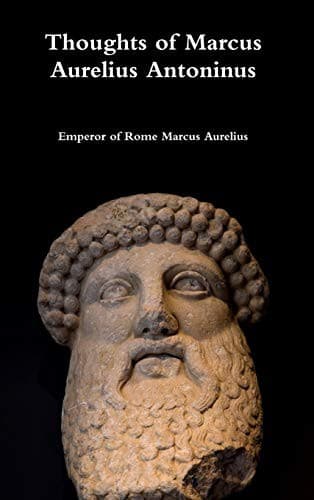
Thoughts of Marcus Aurelius AntoninusMarcus Aurelius, Emperor of Rome
PhilosophyPhilosophy
Thoughts of Marcus Aurelius Antoninus
Marcus Aurelius, Emperor of Rome
Ethics; Life; Marcus Aurelius, Emperor of Rome, 121-180; Stoics
67. Nature has not so mingled+ [the intelligence] with the composition
of the body, as not to have allowed thee the power of circumscribing
thyself and of bringing under subjection to thyself all that is thy own;
for it is very possible to be a divine man and to be recognized as such
by no one. Always bear this in mind; and another thing too, that very
little indeed is necessary for living a happy life. And because thou
hast despaired of becoming a dialectician and skilled in the knowledge
of nature, do not for this reason renounce the hope of being both free
and modest, and social and obedient to God.
68. It is in thy power to live free from all compulsion in the greatest
tranquillity of mind, even if all the world cry out against thee as
much as they choose, and even if wild beasts tear in pieces the members
of this kneaded matter which has grown around thee. For what hinders the
mind in the midst of all this from maintaining itself in tranquillity
and in a just judgment of all surrounding things and in a ready use of
the objects which are presented to it, so that the judgment may say to
the thing which falls under its observation: This thou art in substance
[reality], though in men's opinion thou mayest appear to be of a
different kind; and the use shall say to that which falls under the
hand: Thou art the thing that I was seeking; for to me that which
presents itself is always a material for virtue both rational and
political, and in a word, for the exercise of art, which belongs to man
or God. For everything which happens has a relationship either to God or
man, and is neither new nor difficult to handle, but usual and apt
matter to work on.
69. The perfection of moral character consists in this, in passing every
day as the last, and in being neither violently excited nor torpid nor
playing the hypocrite.
70. The gods who are immortal are not vexed because during so long a
time they must tolerate continually men such as they are and so many of
them bad; and besides this, they also take care of them in all ways.
But thou, who art destined to end so soon, art thou wearied of enduring
the bad, and this too when thou art one of them?
71. It is a ridiculous thing for a man not to fly from his own badness,
which is indeed possible, but to fly from other men's badness, which is
impossible.
72. Whatever the rational and political [social] faculty finds to be
neither intelligent nor social, it properly judges to be inferior to
itself.
73. When thou hast done a good act and another has received it, why dost
thou still look for a third thing besides these, as fools do, either to
have the reputation of having done a good act or to obtain a return?
74. No man is tired of receiving what is useful. But it is useful to act
according to nature. Do not then be tired of receiving what is useful by
doing it to others.
Public-domain text, read in full here on John Shaqi.
Reviews
Reviews
No reviews yet
Be the first to share your thoughts on this work.
Elsewhere in the archive
Join the Discussion
Join the discussion
Sign in to leave a comment or review.
Sign InorCreate an account