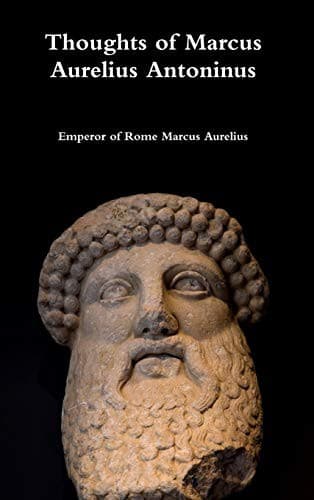
Thoughts of Marcus Aurelius AntoninusMarcus Aurelius, Emperor of Rome
PhilosophyPhilosophy
Thoughts of Marcus Aurelius Antoninus
Marcus Aurelius, Emperor of Rome
Ethics; Life; Marcus Aurelius, Emperor of Rome, 121-180; Stoics
Remember these nine rules, as if thou hadst received them as a gift from
the Muses, and begin at last to be a man while thou livest. But thou
must equally avoid nattering men and being vexed at them, for both are
unsocial and lead to harm. And let this truth be present to thee in the
excitement of anger, that to be moved by passion is not manly, but that
mildness and gentleness, as they are more agreeable to human nature, so
also are they more manly; and he who possesses these qualities possesses
strength, nerves, and courage, and not the man who is subject to fits of
passion and discontent. For in the same degree in which a man's mind is
nearer to freedom from all passion, in the same degree also is it nearer
to strength: and as the sense of pain is a characteristic of weakness,
so also is anger. For he who yields to pain and he who yields to anger,
both are wounded and both submit.
But if thou wilt, receive also a tenth present from the leader of the
Muses [Apollo], and it is this,--that to expect bad men not to do wrong
is madness, for he who expects this desires an impossibility. But to
allow men to behave so to others, and to expect them not to do thee any
wrong, is irrational and tyrannical.
19. There are four principal aberrations of the superior faculty against
which thou shouldst be constantly on thy guard, and when thou hast
detected them, thou shouldst wipe them out and say on each occasion
thus: This thought is not necessary: this tends to destroy social union:
this which thou art going to say comes not from the real thoughts; for
thou shouldst consider it among the most absurd of things for a man not
to speak from his real thoughts. But the fourth is when thou shalt
reproach thyself for anything, for this is an evidence of the diviner
part within thee being overpowered and yielding to the less honorable
and to the perishable part, the body, and to its gross pleasures (iv.
24; ii. 16).
Public-domain text, read in full here on John Shaqi.
Reviews
Reviews
No reviews yet
Be the first to share your thoughts on this work.
Elsewhere in the archive
Join the Discussion
Join the discussion
Sign in to leave a comment or review.
Sign InorCreate an account