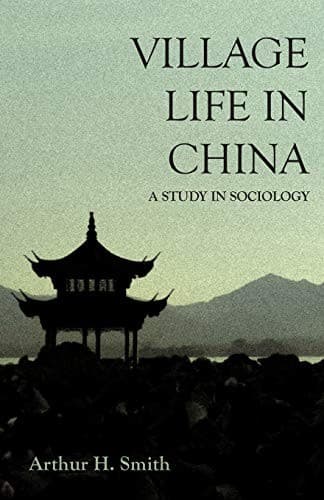
Village Life in China: A Study in SociologySmith, Arthur H.
General
Village Life in China: A Study in Sociology
Smith, Arthur H.
China -- Social life and customs; Villages
Houses of stone, 22;
of bricks, 22;
of adobe, 23;
their roof, 23;
rooms, 25;
doors, 26;
windows, 26;
k'angs, 26, 27;
floors, 28;
furnishings, 28.
Hsien District, conditions in, 317, 318, note.
Hsiu-ts'ai obliged to attend examinations after graduation, 129.
Ice-sleds, 245.
Illness announced and the results, 255.
Imperial University in Peking, 135.
Incendiary fires, 217.
Infanticide of girls, 258, 259;
opposition to, 259.
Infant mortality, 274.
Intellectuality without stimulus except in school, 91;
intellectual obtuseness, 101.
Interest per month, 152, 210.
K'ang, construction and use of, 26, 27.
Kidnapping wives, 292-295.
Kinship claimed for inheritance, 253.
Kitchen god, 27;
at New Year, 199.
Kung-shêng's rank, 129, 130.
Lending a necessity, 205, 206.
Letters, ambiguity of address, 240.
Letter-writing, 101, 102.
Life in villages, monotony and vacuity of: villages a fixture, 312;
their intellectual life in grooves, 313;
illiteracy a source of vacuity, 315;
topics of conversation, 315;
indifference to happenings outside the village, 315, 316;
travelled villagers speedily stagnate, 316.
Li Hung Chang honouring snakes, 169.
Literary chancellor's duties, 111.
Live-stock fairs, 148.
Loan Societies, object, 152;
simplest form, 152, 153;
feasts, 153;
societies charging interest, 154;
method of securing loans, 154, 155;
tables illustrating their working, 155, 156;
insuring payment, 157;
risks involved, 157, 158;
Hong Kong lawsuit _re_ such societies, 158-160.
Local deity, T'u-ti, 137, 138.
Lord Clive a Chinese bully in boyhood, 218.
"Lord-of-bitterness," _i. e._, elder brother, 283.
Markets, why necessary, 146;
harmful to morals, 147;
"official" markets, 147;
number attending, 147;
use made of market taxes, 148;
market-day nomenclature, 148, 149;
"market" and "fair" differentiated, 149;
taxes levied, 149, 150;
coöperation most helpful in one respect, 151.
Mencius' view of teachers, 70.
Men (See Boys and men).
Mill, James, and his method of teaching, 72.
Mind, characteristics of the Chinese, 102;
like a high bicycle, 103.
Ming Huang, the god of actors, 54.
Mohammedans exempt from temple assessment, 137.
Mothers-in-law, 276, 277.
Names of villages derived from surnames, 30;
from temples, 30;
confusion in names, 31, 32;
names derived from distances, 31;
villages nicknamed, 33;
singular names, 33, 34.
Naming children, 238;
a clue to relationship, 239.
New Year in China:
dumplings, 196, 197;
family reunions, 197, 198;
new clothes essential to, 198, 199;
New Year religious rites, 199, 200;
its social ceremonies, 200, 201;
universal leisure of the time, 201, 202;
gambling, 202, 203;
debt-paying, 203, 204;
lantern search for debtors, 208.
Public-domain text, read in full here on John Shaqi.
Reviews
Reviews
No reviews yet
Be the first to share your thoughts on this work.
Elsewhere in the archive
Join the Discussion
Join the discussion
Sign in to leave a comment or review.
Sign InorCreate an account