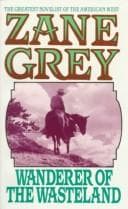
Brothers -- Fiction; Deserts -- Fiction; Southwest, New -- Fiction; Western stories
Vague and happy those first days when he bought the valley lands and
flooded them with cattle--vague because of the slow gathering of
insupportable and unconscious love--happy because he lived with Genie’s
rapture and her romance. Vivid were some of the memories--when he
placed in Genie’s little brown hands papers and deeds and bankbooks,
and by a gesture, as if by magic, proclaimed to her wondering
sense the truth of a tale of Aladdin; when, to the serious-faced
mother, pondering the costs, he announced her once more owner of the
long-regretted land; when, to a fire-eyed lad, he had drawn aside the
veil of the future.
But vague, mystic as a troubled dream, the inception of a love that
rose like the blaze of the sun--vague as the opaque dawn of the
desert! Whenever he looked up, by night or day, at task or idleness,
there shone the lovely face, pale as a dawn-hazed star, a face like
Magdalene Virey’s, with all of its beauty, but naught of its passion;
with all of its charm, yet none of its havoc. With youth, and bloom,
and wide-open purple eyes, dark as midnight, staring at fate. And a
voice like the voice of her mother, sweet, but not mocking, haunted the
dreams of the man and lived in the winds.
“And you are a desert man,” she had said.
“Yes--a desert man,” he had replied.
“There’s a place I want to go some day--when I am twenty-one.... Death
Valley! Do you know it? My grandfather says I’m mad.”
“Death Valley! For such as you? Stay--never go near that awful hell!”
The ghastly white pit and its naked red walls, the midnight furnace
winds with their wailing roar, the long, long slopes to the avalanche
graves! Ah! the torment of his heart, the tragedy he would hide,
and the secret he must keep, and the miniature that burned in its
place--they drew her with the invisible cords of life and fate. What he
would spare her surged in the air that she breathed.
She had come to him under the oaks, and yet again, quitting her
friends, drawn to the lonely desert man.
“They told me Genie’s story,” she said, and her eyes spoke eloquent
praise her lips denied. “And so--her mother and father died on the
desert.... Tell me, desert man, what does Death Valley look like?”
“It is night; it is hell--death and desolation--the grave of the
desert, yellow and red and gray--lonely, lonely, lonely silent land!”
“But you love it!... Genie says the Indians call you Eagle--because you
have the eye of the eagle.... Tell me.... Tell me....”
And she made him talk, and she came again. Vague, sweet, first hours
they were, with their drawing pain. Was it well to wake in the night,
with eyes darker than the darkness, peering into his soul? Her mother’s
eyes--with all the glory and none of the shame! She had come another
day and then the next, while time stood still with its mocking wait.
Not vaguely came a scene: “I will tell you of the desert,” and a part
of his story followed, brief and hard.
Public-domain text, read in full here on John Shaqi.
Reviews
Reviews
No reviews yet
Be the first to share your thoughts on this work.
Elsewhere in the archive
Join the Discussion
Join the discussion
Sign in to leave a comment or review.
Sign InorCreate an account