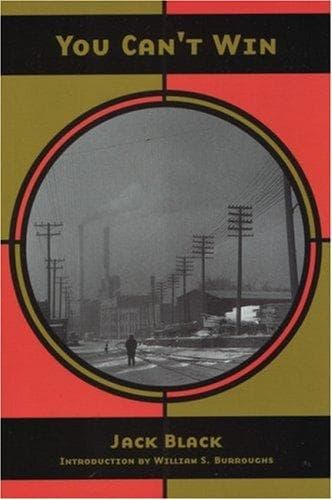
Black, Jack, 1871-1932; Criminals -- Canada -- Biography; Criminals -- United States -- Biography
“It’s the toughest town in the United States for an outsider to get by
in,” he said in answer to my questions. “I’ll tell you what you’re up
against. You go in there single-handed. If you get by the wise coppers
and the hungry fences, you’ve still got the gangs to beat. Almost all
the thieves belong to gangs—the Irish, the Jews, and the dagoes. They
fight each other, but they make common cause against an outsider,
especially if he’s from the West, and they’ll know you in a minute with
your soft hat and your Western talk.
“The gangs are made up of natives and ‘home guards,’ and some of them
are not above snitching on you if you go in there and get too
prosperous. If you show up in any of the hangouts with money they will
beat you up and take it away from you like any sucker. Of course if you
got into a gang they would protect you. The gang protects you, and the
ward alderman protects the gang, see? But even then you’d never have
anything, for the money’s split too many ways.
“Those hop fiends are raving when they tell you New York is a simple
spot to make a living in. Everything is simple and easy and rosy to
them when they get a few pills under their belts; but you take my advice
and stay away from it. I can get dollars in the West where I couldn’t
get dimes in New York, and I wouldn’t go back there on a bet. I’m for
Chicago and points west where you don’t have to wear a derby hat to get
by a policeman,” he finished in disgust.
Turning this gloomy picture over in my mind for a few days, I decided to
let New York alone and go back West. My spare clothes were left with the
landlord, and after a soft, easy year I went back to the hardships of
the road almost gladly. I made long jumps under fast trains into St.
Paul and then on to the Dakota harvest fields.
Thousands of harvest hands were leaving with their season’s earnings and
a horde of yeggs, thieves, gamblers and their women beset them on every
side. Some of the more wary and experienced laborers bought tickets and
got out of the danger zone unscathed; others dallied with the games of
chance and were shorn, or fell into the yeggs’ clutches and got “catted
up.”
Harvest workers were called blanket stiffs or gay cats, and the process
of pistoling them away from their money was known as catting them up.
Train crews flourished by carrying the gay cats over their divisions in
the box cars at a dollar each. Bands of yeggs worked with the brakemen,
who let them into the cars, where they stuck up the cats, took their
money, and forced them to jump out the side doors between stations. By
the time they walked into a town and reported their losses, the train
was far ahead, the money split with the train crew, and the yeggs were
holding a convention in some safe jungle.
After several seasons the cats began buying tickets out of the harvest
fields and the profitable industry of catting up went by the board.
Public-domain text, read in full here on John Shaqi.
Reviews
Reviews
No reviews yet
Be the first to share your thoughts on this work.
Elsewhere in the archive
Join the Discussion
Join the discussion
Sign in to leave a comment or review.
Sign InorCreate an account