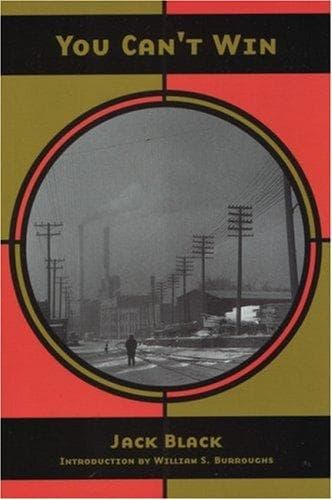
Black, Jack, 1871-1932; Criminals -- Canada -- Biography; Criminals -- United States -- Biography
One of them, a giant, red-headed Irishman with shaggy, white eyebrows
and pebbly blue eyes, said: “Don’t worry, me boy, there’ll be no
lynchin’ here.”
Turning to the magistrate, I said: “You telegraph, at my expense, the
Minister of Justice at Ottawa that this man,” pointing to the
superintendent, “is trying to incite these miners to lynch me. And I
want a copy of the telegram and my request made a matter of record in
your office.”
The magistrate looked confused. The superintendent said, “I’ll make the
complaint. I want this man held.” The constable arrested me “In the
queen’s name,” searched me and locked me in the town jail, a one-room
affair in a lot back of his house. He brought me blankets and supper,
and left me to meditate in silence and privacy. I went over everything
again. The shoe was on the other foot this time; they hadn’t a thing on
me. No court in Christendom would convict me on those shreds of
suspicion. I rolled up in the blankets and went to sleep with the
comfortable thought that the forty-eight hundred dollars might help me
to forget the awful lashing I took at New Westminster when I got to San
Francisco or Chicago with them.
Next morning in court it was shown by witnesses that I was at the depot
twice when the money arrived; that I went to the mine once on the same
train with it; and a woman testified that she saw me walking behind the
station agent and his neighbors as they went home the night of the
burglary. The porter who spilled the beans finished the trial by
testifying that he met me on the stairs in the early morning; that I was
nervous, acted suspiciously, and tried to avoid him.
I made no defense, but set up a loud and long protest that did no good.
I was held for trial and whisked away to the provincial jail. I was
convinced that the mine superintendent had engineered the thing on the
theory that I was guilty and in hopes that something would transpire in
his favor while I was waiting to be tried.
The provincial jail was like the one I escaped from. The jailer was
sober and decent, giving me plenty of books and fair treatment. I had a
cell to myself, kept away from the other prisoners, tried my case
mentally every day, and got acquitted every time, and at night I spent
large chunks of the payroll that was so securely planted in the post
hole.
After three months of leisure, reading and pleasant anticipations, I
went to court. A judge had arrived for the fall assizes and mine was the
only felony case. The witnesses were all there. I pleaded not guilty
and my case was set for trial at two o’clock in the afternoon. The judge
asked if I had counsel. I told him I had no lawyer and didn’t want one;
that I had but little money and would need it when I was acquitted.
“Better get counsel,” he snapped. “A defendant that tries his own case
has a fool for a lawyer.”
I replied by asking him to read the testimony from the lower court
before wasting his time trying me.
Public-domain text, read in full here on John Shaqi.
Reviews
Reviews
No reviews yet
Be the first to share your thoughts on this work.
Elsewhere in the archive
Join the Discussion
Join the discussion
Sign in to leave a comment or review.
Sign InorCreate an account