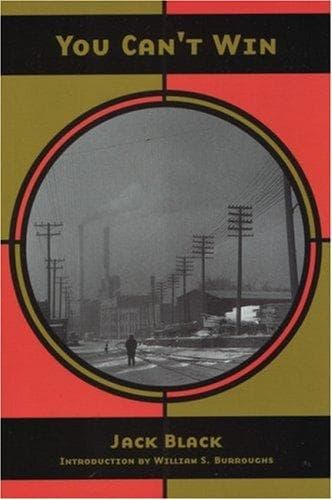
Black, Jack, 1871-1932; Criminals -- Canada -- Biography; Criminals -- United States -- Biography
A short walk brought us to a car line. “Take this car, Kid, and go
straight to your room. I’ll be on the next one; and don’t lock your door
when you go in. It looks and sounds suspicious at seven o’clock in the
evening in a decent, quiet hotel.”
He came in ten minutes after me, without knocking, and locked the door
softly. “Now, kid,” he said in his best manner, “we will proceed to
estimate the intrinsic value of our takings in dollars and cents. That
amount, divided by four, will give us an idea of what we have earned
this evening.”
“Why divide it by four, Sanc?”
“Because it’s crooked and no fence will give you more. It’s a great
game, Kid. The fence divides it by four, taking seventy-five per cent of
the value to pay him for the chances he takes. The loser, reporting to
the insurance company, multiplies it by four to pay himself for the
extrinsic value of his junk, and the annoyance caused by his burglar.”
He turned to the stuff I threw on the bed. “Better brush your clothes
off carefully, Kid. There are still some smudges on your coat.” He
looked at me critically. “And a button gone.” He pointed to where there
should have been a button. “Take that suit off. Put on your old one.
That button is around that porch and it’s enough to bury us both in
Quentin. Tear the tailor’s tags out of those clothes, wrap them up, go
out, and throw them in a lot somewhere, not too close to this place.
To-morrow you can order a new suit. That one is poison. While you’re
out, I’ll take these stones out of their ‘harness.’”
It broke my heart to throw away a new suit of clothes, but I was a good
apprentice and obeyed. When I returned he had finished “unharnessing”
the stones. There was a fistful of broken gold settings, and some small
articles of little value. “Wrap that junk up, kid, take it out and throw
it in a lot and not the same lot you left the clothes in, either,” said
the master.
I tore a sheet from a newspaper, and, wrapping the junk up, started out
again. He stopped me. “Wouldn’t it be just as well to take the balance
of that paper and throw it away, Kid? Why leave it in the room? It fits
the piece you have in your pocket. And be sure to throw that junk away.
Don’t plant it somewhere against a rainy day. Throw it away,” he
finished emphatically.
Again I obeyed. When I got back he had planted the stones, a very small
parcel now, in the hotel wash room. On our way out he said, “One more
thing now, and I will feel safe. We will get a new hat each.”
We left the old ones in the store, “to be called for.”
“Now, Kid, something to eat, and I will sum up for you the doings of
this evening.” Seated in a quiet restaurant with decent dinners before
us, Sanc began.
“You probably thought when you were seized coming down the porch that I
had abandoned you.”
I protested, “No, no.”
Public-domain text, read in full here on John Shaqi.
Reviews
Reviews
No reviews yet
Be the first to share your thoughts on this work.
Elsewhere in the archive
Join the Discussion
Join the discussion
Sign in to leave a comment or review.
Sign InorCreate an account