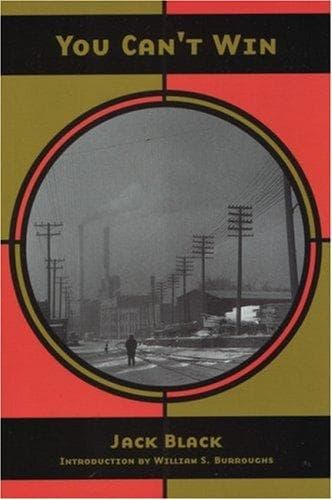
Black, Jack, 1871-1932; Criminals -- Canada -- Biography; Criminals -- United States -- Biography
“The gold mountings you threw away could have been melted at the expense
of a fifteen-cent crucible and a dime’s worth of borax, and would have
brought us maybe ten dollars as old gold at any jeweler’s. But think of
the chances you take in selling it, jeopardizing the stones we have and
our liberty for ten dollars—bad business.
“And that newspaper I made you throw out. Here’s the reason. We might
be in jail to-morrow on suspicion. We figure to get picked up any time
because, well, because we’re what we are. Everything in your room, if
they find your room, is taken down and held and examined. Suppose that
happened to-morrow and while you’re locked up the parcel of junk is
found in the lot wrapped in the missing part of the paper found in your
room. No lawyer in California could beat that case. That proves
possession and that’s all they need to convict you of burglary. And
here’s something else about house burglary. You seldom get money.
Everything has to be sold. And that’s where your danger and troubles
begin in earnest. Not one house burglar in a hundred is caught in the
act. It’s always when he is trying to sell his plunder.
“I could steal, take, and carry away,” he continued, smiling, “fifty
thousand dollars’ worth of plunder—rugs, furs, paintings, statuary, and
such junk in thirty days, if I wanted to make a pack horse of myself.
But just imagine trying to dispose of it. There’s where you ‘sup with
sorrow’ as the poet says, Kid. Take nothing you can’t put in your coat
pocket. You’ve got to watch yourself like a fat man on a diet. The
smallest trifle will upset you, and you’ll have leisure to repent your
carelessness. When you get your new suit from the tailor’s, take all the
tags out of it, and when you buy a hat don’t let the hatter stamp your
name on the sweatband. You don’t know what house you might lose it in.
“I know thieves so conceited and foolish that they have their names in
their hats and monogrammed pocket handkerchiefs, and neat little
notebooks with all their friends’ addresses and phone numbers carefully
noted. That’s the type of thief that calls the police ‘a bunch of
chumps,’ and goes to jail crying, ‘Somebody snitched.’
“The police are not chumps, kid; they are just lazy, that’s all. If they
worked as thoroughly at their business as I do at mine, I don’t know
what would happen. They are human, and take the easy way. Somebody
whispers to a dick. He whispers to me, and we go down to the jail, where
he locks me up ‘on suspicion.’ The next morning he and his partner come
to my cell, knock me down, walk up and down on my wishbone for a few
minutes, and ask me if I am ready to snitch on myself and all my
friends. If I decline to help them, they let me out. That’s the lazy
coppers’ notion of doing police duty.”
Our dinner finished, he said: “And now, after all this talk, what do you
think we should do with the stones we have?”
“Why not spend a hundred dollars for fare to Pocatello and back?” I
asked. “Mary’s safe.”
Public-domain text, read in full here on John Shaqi.
Reviews
Reviews
No reviews yet
Be the first to share your thoughts on this work.
Elsewhere in the archive
Join the Discussion
Join the discussion
Sign in to leave a comment or review.
Sign InorCreate an account