Abandinus
Abandinus was a Celtic god or male spirit worshipped at Godmanchester in Cambridgeshire during the Romano-Celtic period.
Pantheon
Every entry the archive files to this pantheon, with the record for each shown as it stands.
206 entries
These three are recorded for the Celtic pantheon as a whole. The archive holds no separate culture, civilization or period for the individual entries below.
Page 1 of 2
Showing 1–108 of 206, alphabetically.
Abandinus was a Celtic god or male spirit worshipped at Godmanchester in Cambridgeshire during the Romano-Celtic period.
In Irish mythology, Abarta, was in some accounts one of the Tuatha Dé Danann and in others a Fomorian, and is associated with Fionn mac Cumhaill.
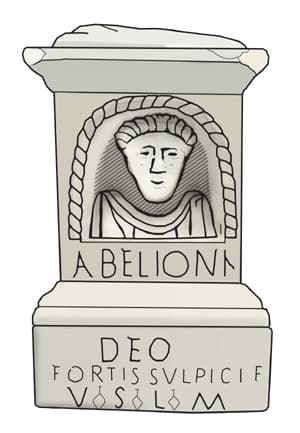
Abellio was a god worshiped in the Garonne Valley in Gallia Aquitania, known primarily by a number of inscriptions which were discovered in Comminges, in the Pyrenees. He may have been a god of apple trees or the sun.
In Irish mythology, Abhean, son of Bec-Felmas, was a poet of the Tuatha Dé Danann, and in particular of Lugh. He was killed by Óengus in front of Midir, according to a poem by Fland Mainistreach in Lebor Gabála Érenn.
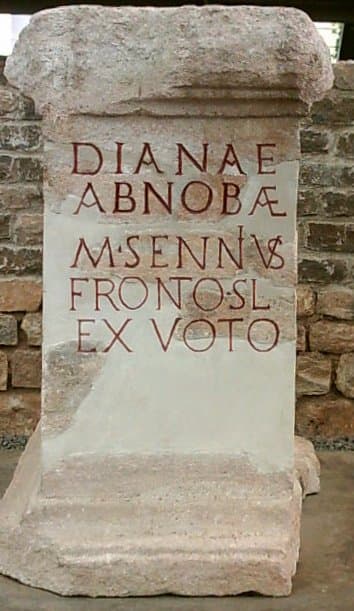
Abnoba is a name with theological and geographical meanings: It is the name of a Gaulish goddess who was worshiped in the Black Forest and surrounding areas. It is also the name of a mountain or mountain range.
In Irish mythology, Queen Achtland married one of the Tuatha Dé Danann who were the people of the goddess Danu.
In Celtic mythology, Adsullata was a river goddess of the Continental Celts associated with the River Savus (Sava) in Noricum.
Aed, or Aodh, is the prince of the Daoine Sidhe and a god of Irish mythology. He is known from inscriptions as the eldest son of Lir, High King of the Tuatha de Dannan, and Aoibh, a daughter of Bodb Dearg. Aed is elsewhere described in the Dindsenchas as being the Dagda's son and brother of Cermait and Aengus killed by Corchenn of Cruach for seducing Corchenn's wife.
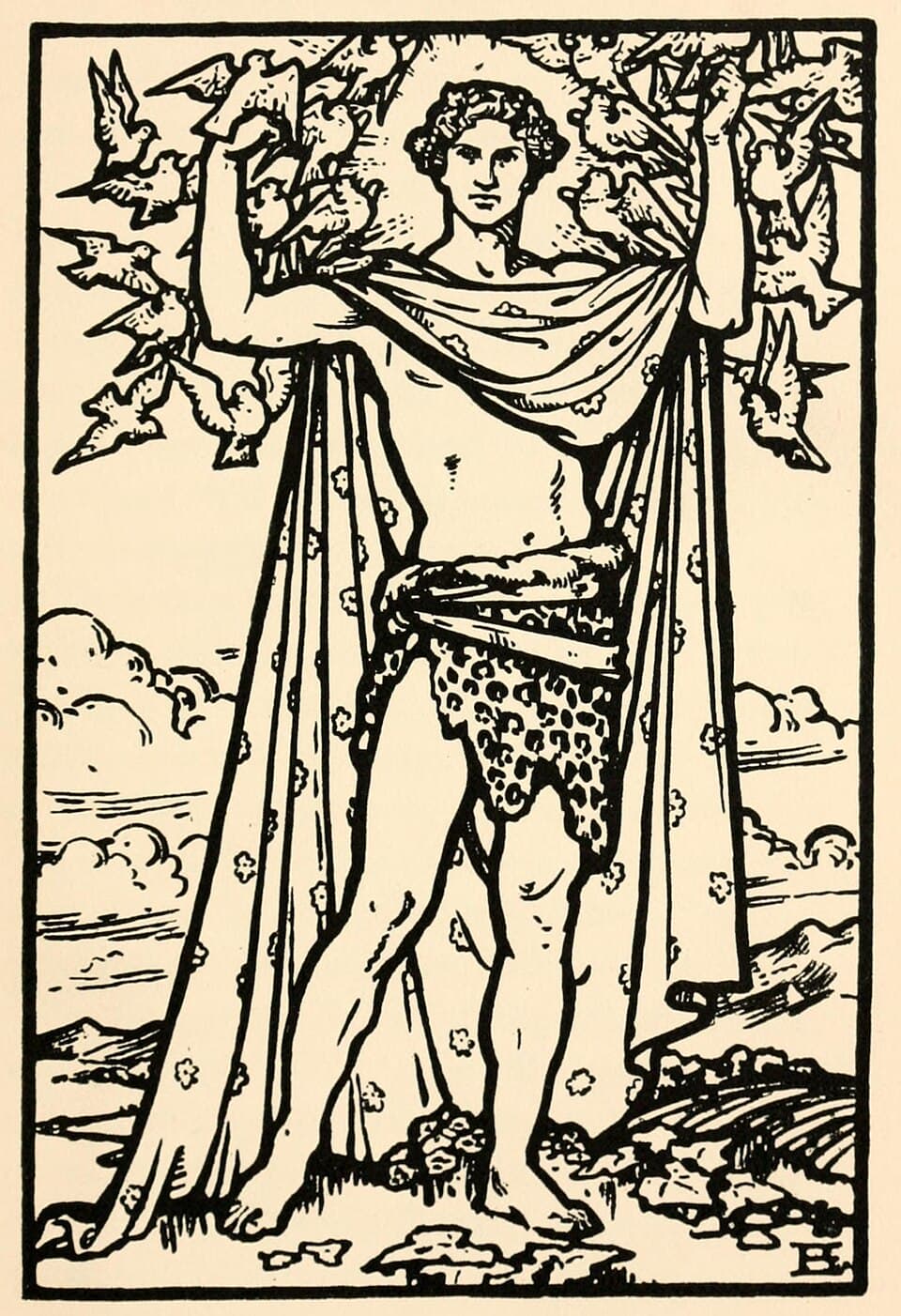
In Irish mythology, Aengus or Óengus is one of the Tuatha Dé Danann and probably originally a god associated with youth, love, summer and poetic inspiration. The son of The Dagda and Boann, Aengus is also known as Macan Óc, and corresponds to the Welsh mythical figure Mabon and the Celtic god Maponos. He plays a central role in five Irish myths.
Aernus was a theonym used for a god in the Lusitanian and Gallaecian pantheons. The use of this theonym was confined to worship in the vicinity of Bragança. Around this area, a number of inscriptions to a god hailed by this name have been recorded.
Afallach is a man's name found in several medieval Welsh genealogies, where he is made the son of Beli Mawr. According to a medieval Welsh triad, Afallach was the father of the goddess Modron. The Welsh redactions of Geoffrey of Monmouth's Historia Regum Britanniae, Brut y Brenhinedd, associate him with Ynys Afallach, which is substituted as the Welsh name for Geoffrey's Insula Avalonsis, but this is fanciful medieval etymology and it is more likely his name derives from the Welsh word afall "apple tree" ; from which, granted, the name of Avalon is also often thought to derive, so that the meaning of "Afallach" is associated but not necessarily directly.
The Afanc is a lake monster from Welsh mythology. Its exact description varies, being described as resembling a crocodile, beaver or dwarf-like creature, or a platypus and is sometimes said to be a demon. The lake in which it dwells is also uncertain and it is variously said to live in Llyn Llion, Llyn Barfog, near Brynberian Bridge or in Llyn yr Afanc, a lake near Betws-y-coed that was named after the creature.
*Agronā was a hypothetical reconstructed Proto-Celtic name for the River Ayr in Scotland, later applied to the River Aeron in Wales. The claim is linguistic and first appeared in William J. Watson's Celtic Placenames of Scotland (1926).
In Irish legend, Aibell, also anglicised as Aeval or Eevill) was a Pre-Christian goddess from the Irish mythology of Munster and the guardian spirit of the Dál gCais, the Delbhna, and the Clan Ó Bríen. She was demoted in popular belief, following the Christianisation of Gaelic Ireland, from a goddess to the Fairy Queen ruling over the Celtic Otherworld of Thomond, or north Munster. The entrance to her kingdom was believed to be at Craig Liath, the grey rock, a hill overlooking the Shannon about two miles north of Killaloe.
In Irish mythology and genealogy, Aimend is the daughter of Óengus Bolg, king of the Dáirine or Corcu Loígde. She marries Conall Corc, founder of the Eóganachta dynasties, and through him is an ancestor of the "inner circle" septs of Eóganacht Chaisil, Eóganacht Glendamnach, and Eóganacht Áine, who established the powerful kingship of Cashel. Details of the story imply she may have originally been a goddess.
In Irish mythology, the goddess Airmed was one of the Tuatha Dé Danann. With her father Dian Cecht and brother Miach, she healed those injured in the Second Battle of Magh Tuiredh.
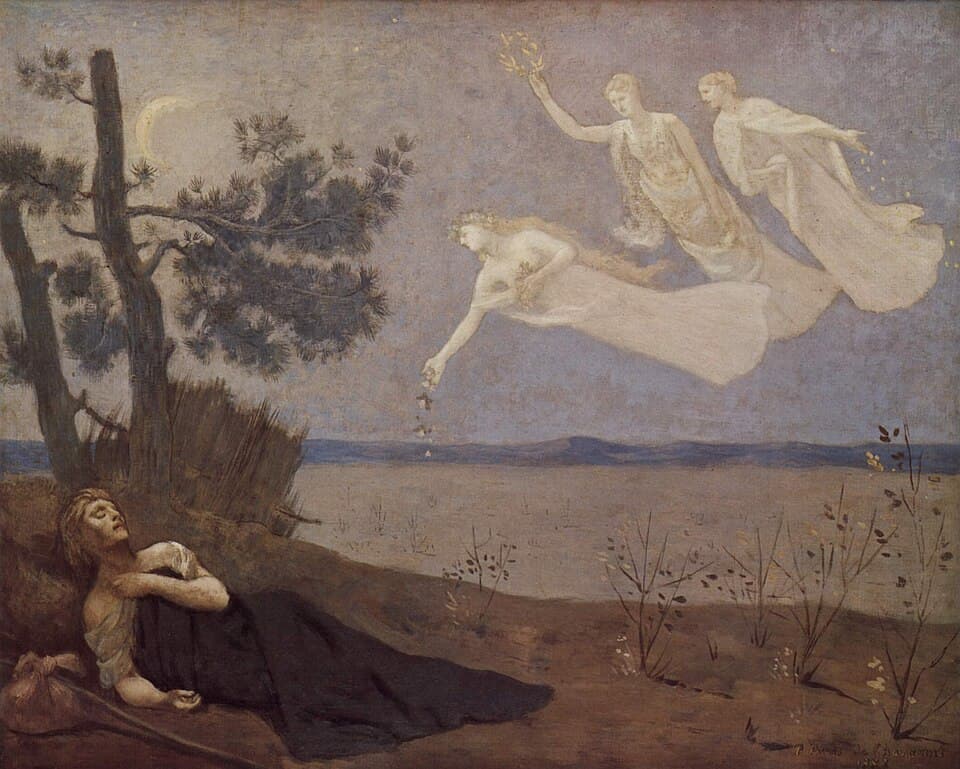
The aisling, or vision poem, is a mythopoeic poetic genre that developed during the late 17th and 18th centuries in Irish language poetry. The word may have a number of variations in pronunciation, but the is of the first syllable is always realised as a ("sh") sound.
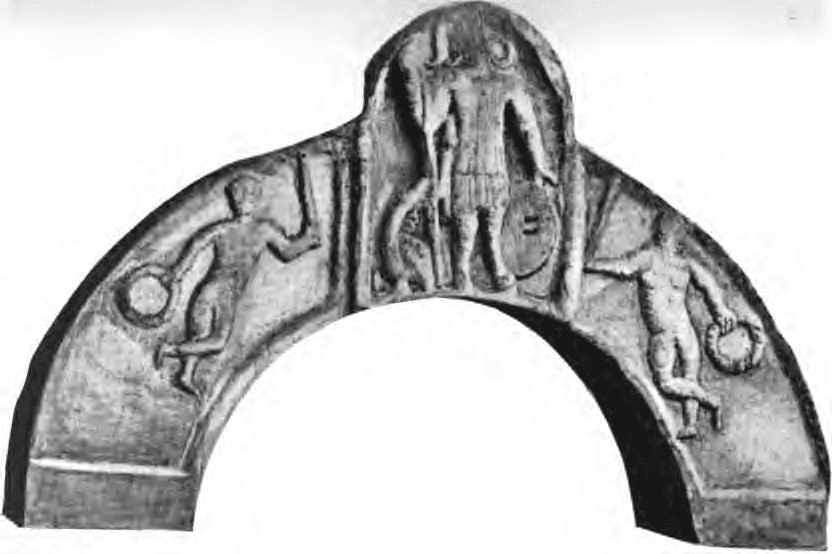
In Romano-British culture and Germanic polytheism, the Alaisiagae deae were Germanic goddesses who deified victory, or, in an alternative interpretation, embodied justice. Their names — possibly meaning the "all‑respected" or "all‑feared" — were mentioned in connection with the syncretic Romano-Celtic god of justice Mars Thincsus or Thingsus, who is commonly associated with the Germanic god *Tīwaz.
Alaunus or Alaunius is an ancient Gaulish god. His name is known from inscriptions found in Lurs and in Mannheim.
Alisanos was a local Celtic god worshipped near Dijon.
In Gallo-Roman religion, Ambisagrus was a Gaulish god worshipped at Aquileia in Cisalpine Gaul, where he was identified with Jupiter Optimus Maximus.
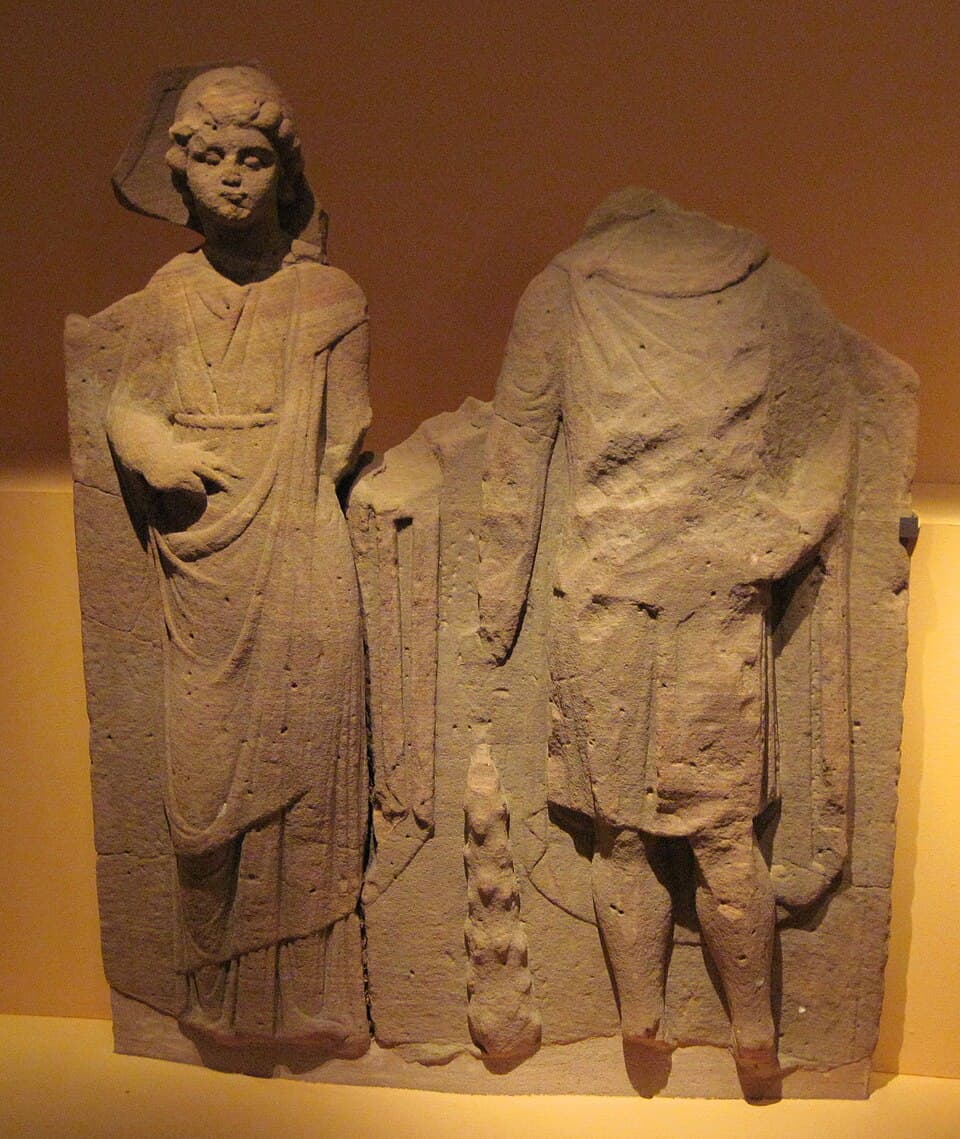
In Gallo-Roman religion, Ancamna was a goddess worshipped particularly in the valley of the river Moselle. She was commemorated at Trier and Ripsdorf as the consort of Lenus Mars, and at Möhn as the consort of Mars Smertulitanus. At Trier, altars were set up in honour of Lenus Mars, Ancamna and the genii of various pagi of the Treveri, giving the impression of Lenus Mars and Ancamna as tribal protectors honoured in an officially organized cult.
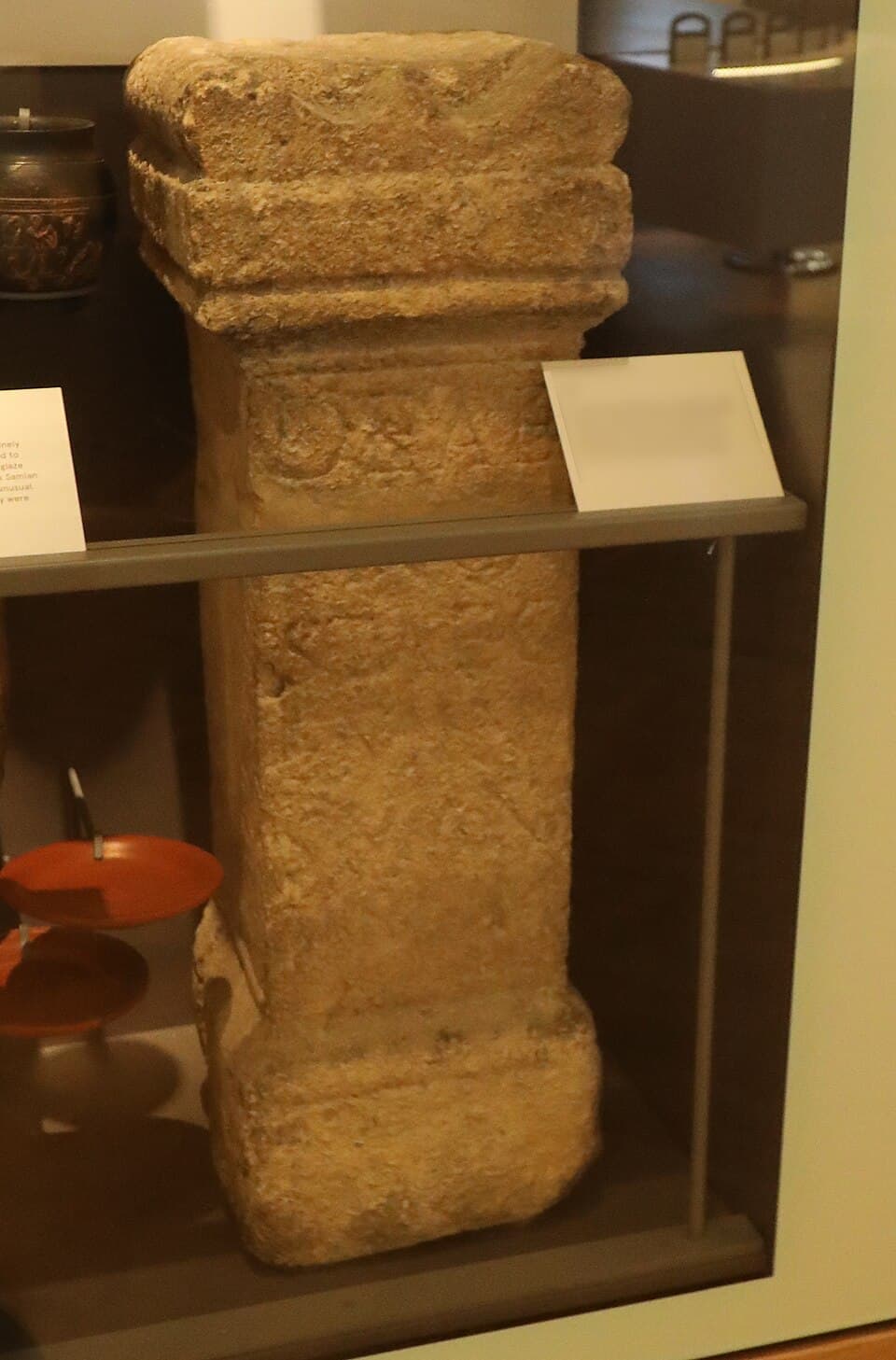
Ancasta was a Celtic goddess worshipped in Roman Britain. She is known from a single dedicatory inscription found in the United Kingdom at the Roman settlement of Clausentum. Ancasta may be taken to be a local goddess, possibly associated with the nearby River Itchen.
Andarta was a Celtic goddess worshiped in southern Gaul. Inscriptions invoking her name have been found in and around modern Die, within the territory of the Vocontii in Southern France.
Andraste, also known as Andrasta, was, according to the Roman historian Dio Cassius, an Icenic war goddess invoked by Boudica in her fight against the Roman occupation of Britain in AD 60. She may be the same as Andate, mentioned later by the same source, and described as "their name for Victory": i. e.
Anextlomarus or Anextiomarus is an ancient Celtic deity. On an inscription from Arbeia, he appears as epithet of the Roman god Apollo. A feminine form of the name, Anextlomara, is attested in a Gallo-Roman dedication from Aventicum.
In classical Celtic polytheism, Annea Clivana was the name given to a goddess or female spirit worshipped in Canale in Veneto in the territory of the Cenomani Celts in Italy. She was identified with the Roman goddess Juno and was portrayed as being in the company of a genius loci. Because of the philological correspondence between her name and that of Áine, it is tempting to see the theonyms Áine and Annea as cognates.
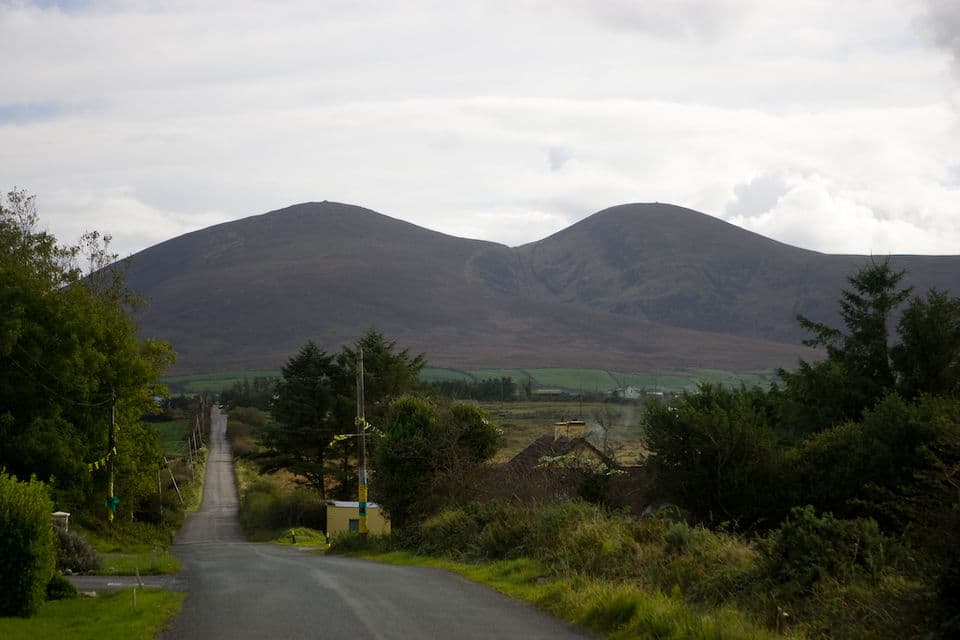
Anu or Ana is the name of a goddess mentioned briefly in Irish mythology.
Aoi Mac Ollamain or Ai Mac Ollamain is a god of poetry and one of the Tuatha Dé Danann in Irish mythology. Ai is the son of Olloman, who saved him from the king's decree that Aoi be killed, a decree made in response to a druid's prediction that Aoi would be born with special powers.
Moritasgus is a Celtic epithet for a healing god found in four inscriptions at Alesia. In two inscriptions, he is identified with the Greco-Roman god Apollo. His consort was the goddess Damona.
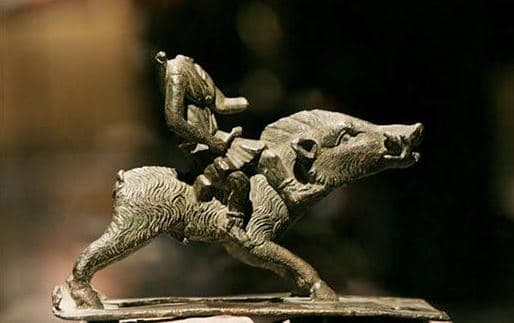
In Gallo-Roman religion, Arduinna was the eponymous tutelary goddess of the Ardennes Forest and region, thought to be represented as a huntress riding a boar. Her cult originated in the Ardennes region of present-day Belgium, Luxembourg, and France. She was identified with the Roman goddess Diana.
Ares Lusitani was the god of horses and knights in Lusitanian mythology, in the cultural area of Gallaecia and Lusitania. This deity was probably a late Greek-Roman addition to the native pantheon.
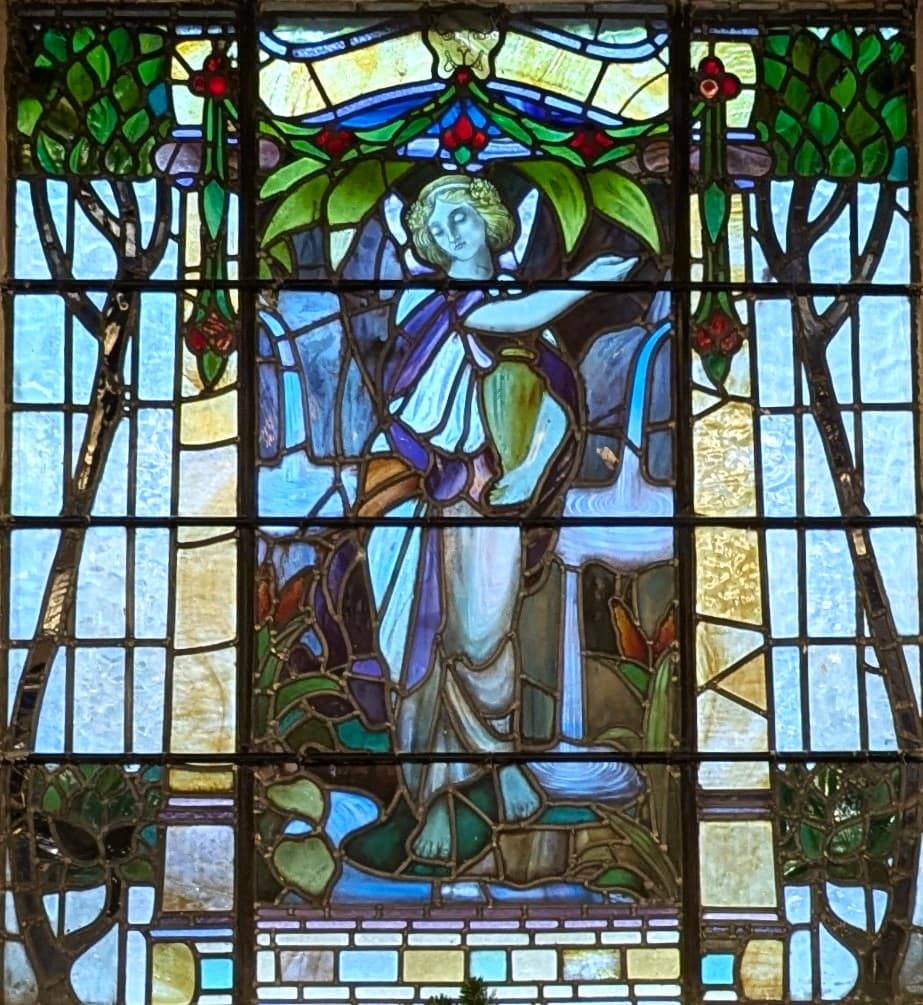
Arnemetia is a goddess in Romano-British religion. Her shrine is at Aquae Arnemetiae, which is now Buxton in Derbyshire, England.
Artio is a Celtic bear goddess. Evidence of her worship has notably been found at Bern in Switzerland. Her name is derived from the Gaulish word for 'bear', artos.
Arubianus or Arubinus was a Celtic god of the inscriptions in Southern Germany, and in Austria and Slovenia.
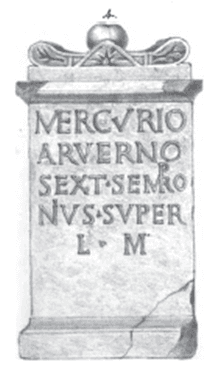
In Gallo-Roman religion, Arvernus was the tribal god of the Arverni and an epithet of the Gaulish Mercury. Although the name refers to the Arverni, whose territory Mercury had at important sanctuary at the Puy-de-Dôme in the Massif Central, all of the inscriptions to Mercury Arvernus are found further away along the Rhenish frontier. The similar name Mercury Arvernorix, ‘king of the Arverni’, is also recorded once.
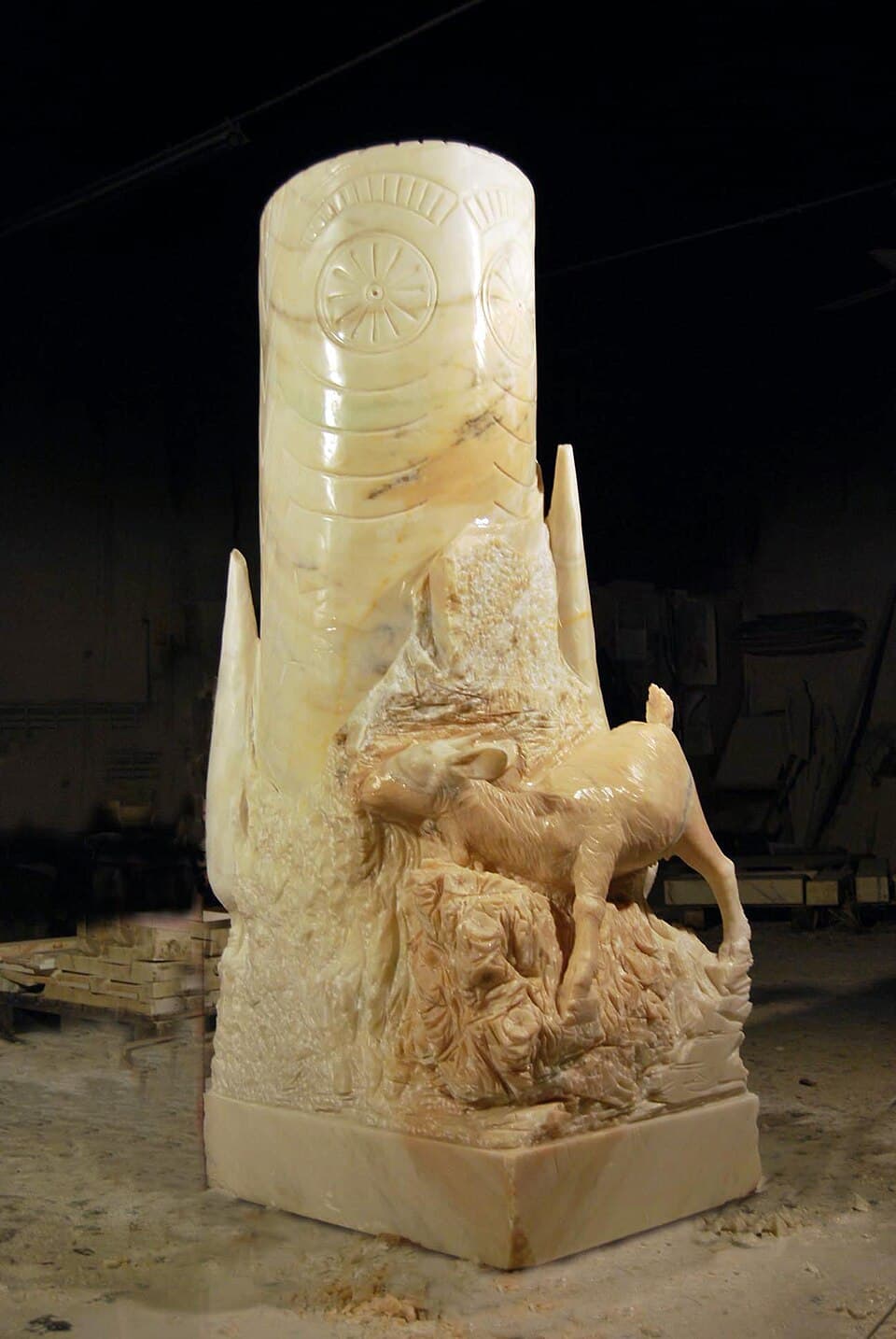
Ataegina was a goddess worshipped by the ancient Iberians, Lusitanians, and Celtiberians of the Iberian Peninsula. She is believed by some to have been a goddess of the underworld or the night, or of the spring season.
Atepomarus or Atepomaros in Celtic Gaul was a healing god from Mauvières (Indre). Apollo was associated with this god in the form Apollo Atepomarus.
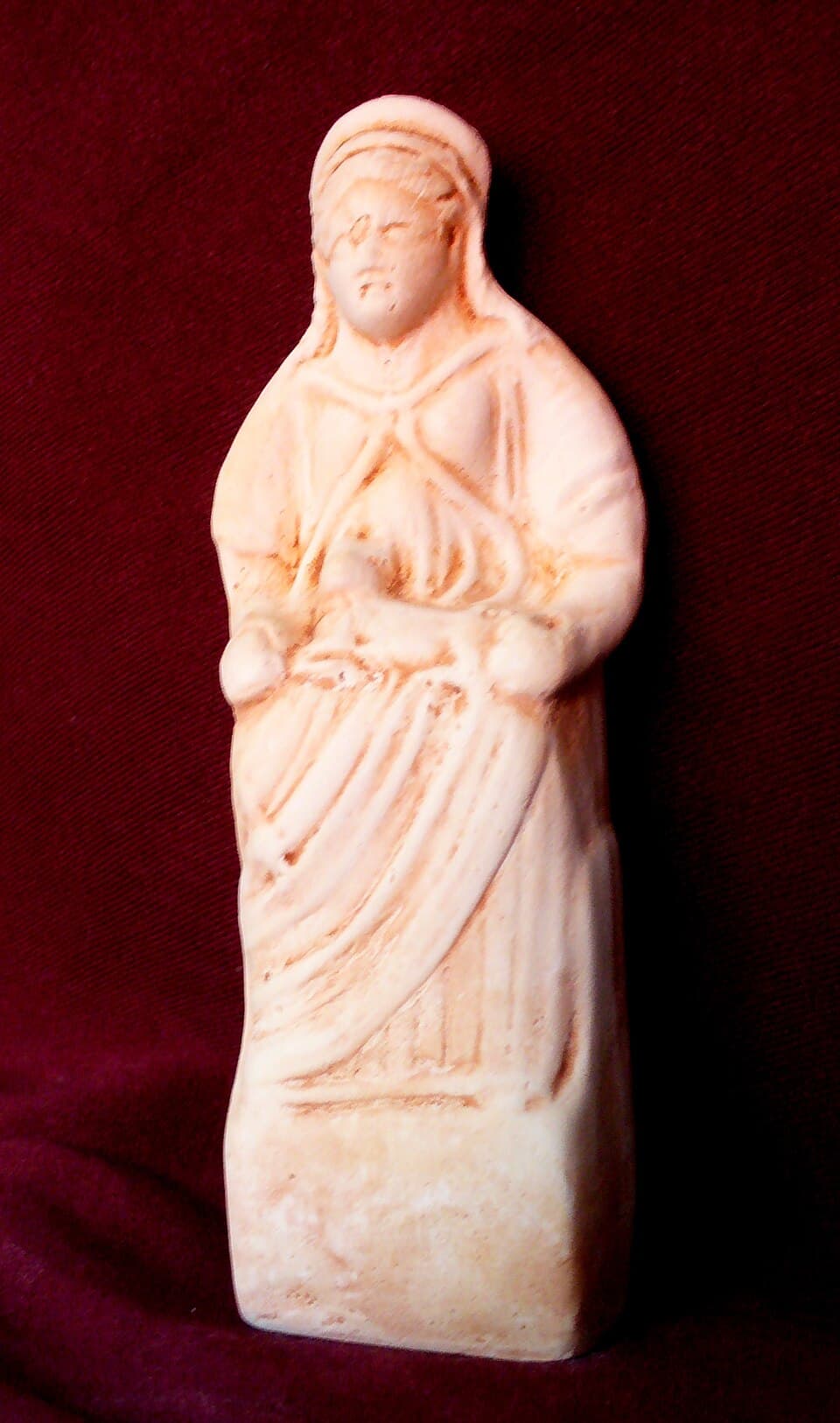
In Gallo-Roman religion, Dea Aveta was a mother goddess, also associated with the freshwater spring at Trier in what is now Germany. Aveta is known mainly from clay figurines found at Toulon-sur- Allier in France and at Trier. These figurines show the goddess with infants at the breast, small lap-dogs, or baskets of fruit.
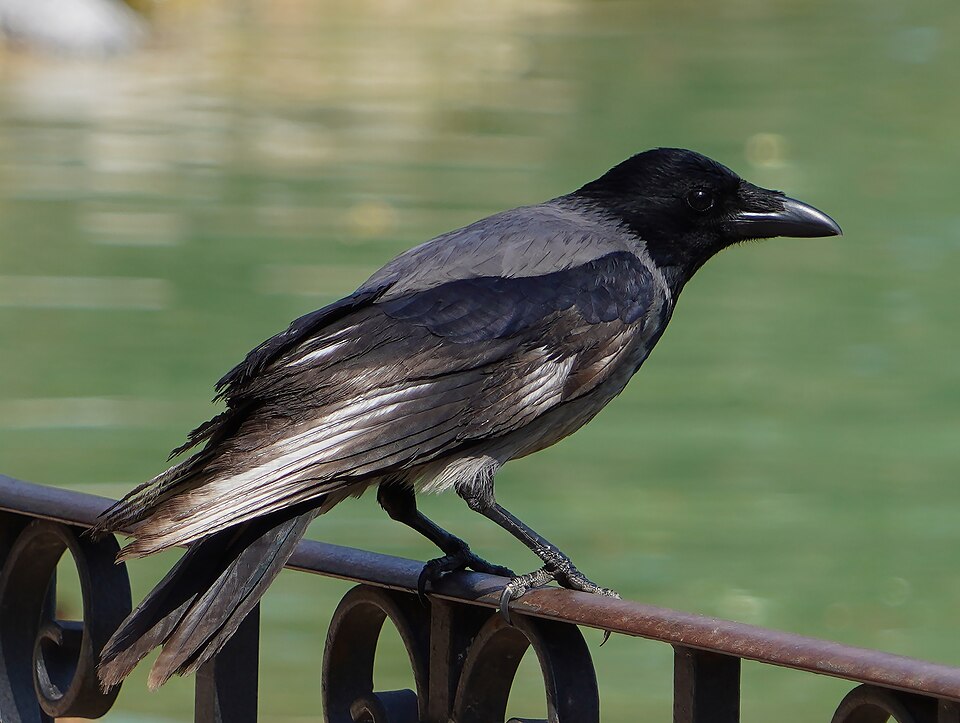
In Irish mythology, the Badb, or in modern Irish Badhbh —also meaning 'crow'—is a war goddess who takes the form of a crow, and is thus sometimes known as Badb Catha. She is known to cause fear and confusion among soldiers to move the tide of battle to her favoured side. Badb may also appear prior to a battle to foreshadow the extent of the carnage to come, or to predict the death of a notable person.
In Irish mythology, Balor or Balar was a leader of the Fomorians, a group of malevolent supernatural beings, and considered the most formidable. He is often described as a giant with a large eye that wreaks destruction when opened. Balor takes part in the Battle of Mag Tuired, and is primarily known from the tale in which he is killed by his grandson Lugh of the Tuatha Dé Danann, son of Cian.
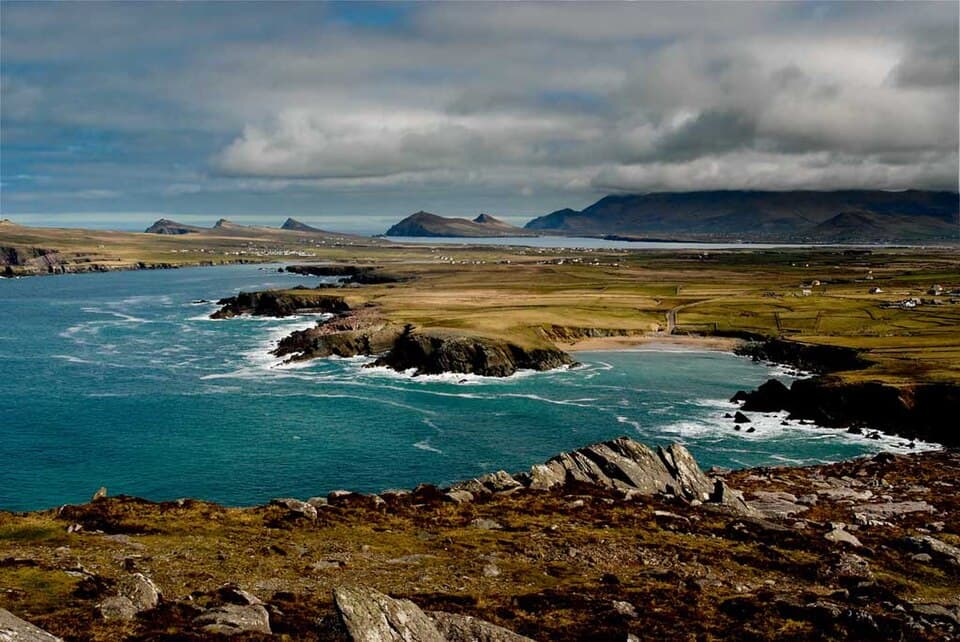
In Irish mythology, Banba, daughter of Delbáeth and Ernmas of the Tuatha Dé Danann, is a matron goddess of Ireland. She was married to Mac Cuill, a grandson of the Dagda.
Bandue was a theonym used to refer to a god or goddess worshipped in Iberia by Callaeci and Lusitanians. Whether the name referred to a discrete deity or was an epithet applied to different deities is arguable.
The bean-nighe is a female spirit in Scottish folklore, regarded as an omen of death and a messenger from the Otherworld. She is a type of ban-sìth that haunts desolate streams and washes the clothing of those who are about to die. Les Lavandières is the French word under which these "night washerwomen" are perhaps best known.
Béḃinn or Bé Binn, in modern orthography Béibhinn, is an early Irish personal and mythological name. In some sources Béḃinn is a goddess associated with birth and the sister of the river-goddess, Boann. Béḃinn is also described as being an underworld goddess in both Irish and Welsh mythology, inhabiting either the Irish underworld Mag Mell or the Welsh Annwn, although it is unknown which is the original source.

Belatucadros or Belatucadrus, was a deity worshipped in Celtic northern Britain, particularly in Cumberland and Westmorland. In the Roman period he was identified with Mars and appears to have been worshipped by lower-ranked Roman soldiers as well as by Britons. In five inscriptions he is called Mars Belatucadrus and the name is frequently translated as "fair shining one" or "fair slayer.
Belenus is an ancient Celtic healing god whose cult is attested across much of the Celtic-speaking world. While his principal centre of worship lay at Aquileia in northeastern Italy, and the deity is primarily associated with the Noricum region, mentions extend from the Italian peninsula to the British Isles, including Gaul, Aquitania, and Britain.
Belisama is a Celtic goddess. She was equated by Roman commentators with Minerva by interpretatio romana.
Bergusia is a Celtic goddess, consort of the god Ucuetis, and worshipped with him at Alesia in Burgundy. The divine couple are named on inscriptions of the Romano-Celtic period, and an image of a divine couple has been found on the same site, the male figure bearing a hammer, the female appearing as a goddess of prosperity. This image, if it is indeed of the two deities, may indicate that Ucuetis was a patron god of craftsmen.
Bilé is a character in the Lebor Gabála Érenn, a medieval Christian history of Ireland and the Irish, and in the genealogies of John O'Hart that are based on this tradition. He is described as a king of Galicia, an ancestor of the Gaels, the son of Breogán, and the father of Milesius.
Biróg, in Irish folklore is the leanan sídhe or the female familiar spirit of Cian who aids him in the folktale about his wooing of Balor's daughter Eithne.
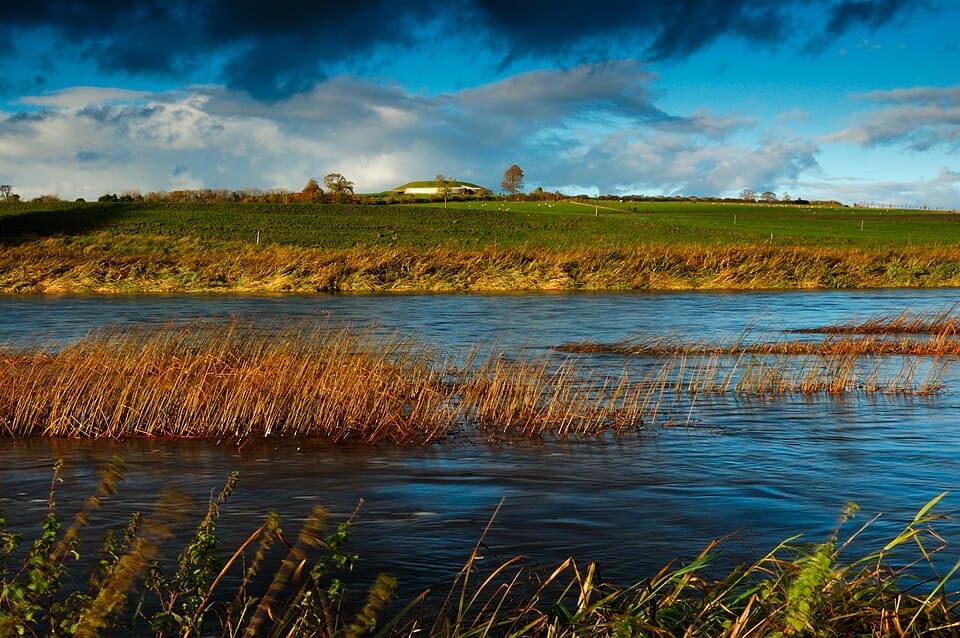
Boann or Boand is the Irish goddess of the River Boyne (Bóinn), an important river in Ireland's historical province of Meath. According to the Lebor Gabála Érenn and Táin Bó Fraích she was the sister of Befind and daughter of Delbáeth, son of Elada, of the Tuatha Dé Danann. Her husband is variously Nechtan or Elcmar.
In Irish mythology, Bodb Derg or Bodhbh Dearg was a son of Eochaid Garb or the Dagda, and the Dagda's successor as King of the Tuatha Dé Danann.
Bormana was a Celtic goddess, the female equivalent of the god Borvo (Bormanus). Bormana was worshipped alongside Bormanus as his consort.
Borvo or Bormo was an ancient Celtic god of healing springs worshipped in Gaul and Gallaecia. He was sometimes identified with the Graeco-Roman god Apollo, although his cult had preserved a high degree of autonomy during the Roman period.
In Gallo-Roman religion, Bricta or Brixta was a Gaulish goddess who was a consort of Luxovius, god of the waters of Luxeuil-les-Bains. It is highly possible the name is related to Perchta, a later German fairy tale character, usually described as an elderly witch queen, who has many regional names and variations amongst the Germanic Alpine peoples and seems to bear random traits associated with both the Celtic Beira/ Cailleach and the Norse/ Germanic Freyja. This would likely make Bricta the same deity as Beira.

Brigantia or Dea Brigantia was a goddess in Celtic paganism, attested in inscriptions from the north of Roman Britain. She seems to have been worshipped by Celtic Britons and Romano-Britons in the territory of the Brigantes, and may have been their tutelary goddess. She may be linked with the goddess Brigindo, named in an inscription from Gaul.
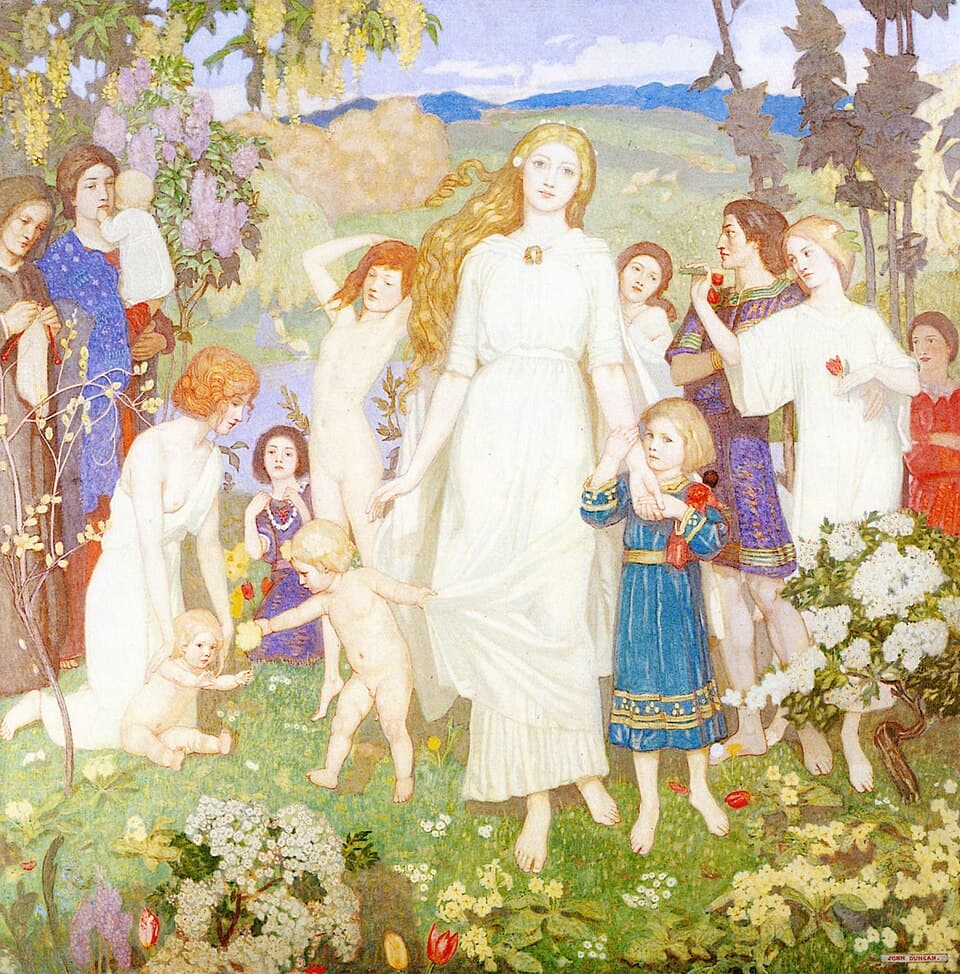
Brigid or Brigit, also Bríg, is a goddess of pre-Christian Ireland. She appears in Irish mythology as a member of the Tuatha Dé Danann, the daughter of the Dagda and wife of Bres, with whom she had a son named Ruadán.
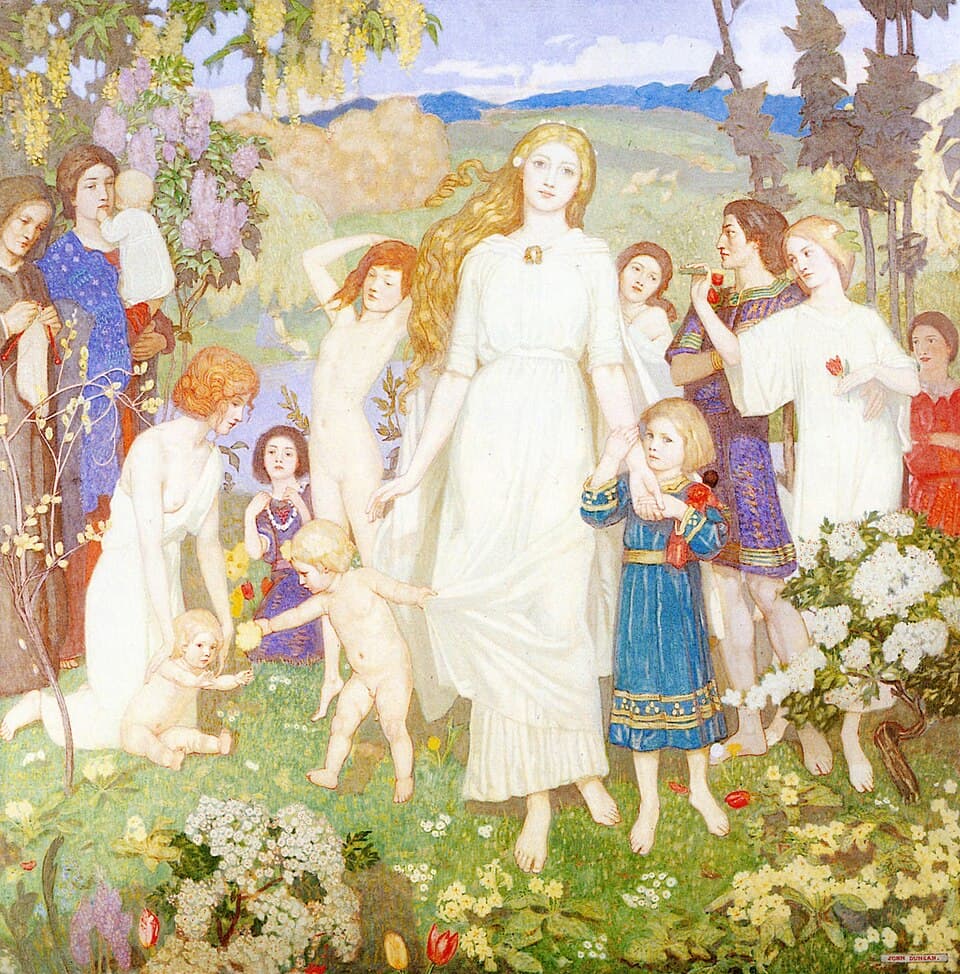
Brigid or Brigit, also Bríg, is a goddess of pre-Christian Ireland. She appears in Irish mythology as a member of the Tuatha Dé Danann, the daughter of the Dagda and wife of Bres, with whom she had a son named Ruadán.
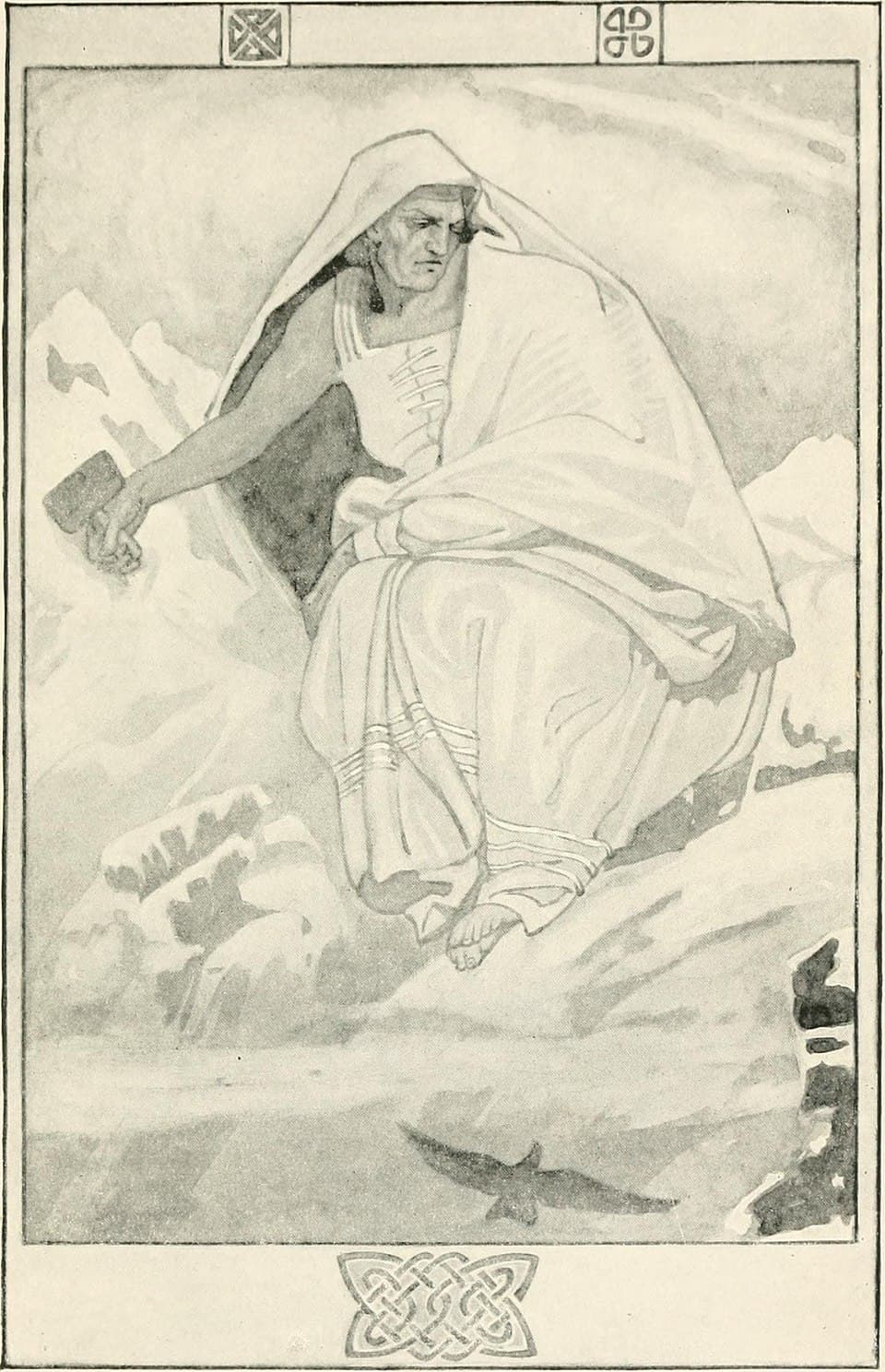
In Gaelic myth, the Cailleach is a divine hag, associated with the creation of the landscape and with the weather, especially storms and winter. The word literally means 'old woman, hag', and is found with this meaning in modern Irish and Scottish Gaelic, and has been applied to numerous mythological and folkloric figures in Ireland, Scotland, and the Isle of Man. In modern Irish folklore studies, she is sometimes known as The Hag of Beara, while in Scotland she is known as Beira, Queen of Winter.
Camulus or Camulos is a Celtic deity who was identified with Mars via interpretatio romana. Camulus was an important god of Roman Britain and Gaul, especially among the Belgae and the Remi, Gaulish tribes that originate from the areas of modern day Belgium, Luxembourg, Northern France and parts of Germany and the Netherlands.
The caoineag is a female spirit in Scottish folklore and a type of Highland banshee, her name meaning "weeper". She is normally invisible and foretells death in her clan by lamenting in the night at a waterfall, stream or Loch, or in a glen or on a mountainside. Unlike the related death portent known as the bean nighe, the caoineag cannot be approached, questioned, or made to grant wishes.
Cariocecus or Cariociecus was the god of war in the mythology of various Iberian tribes, in the region then known as Hispania. Through conquest and cultural overlay, he became syncretised with the Ancient Rome god Mars and the Ancient Greek god Ares.
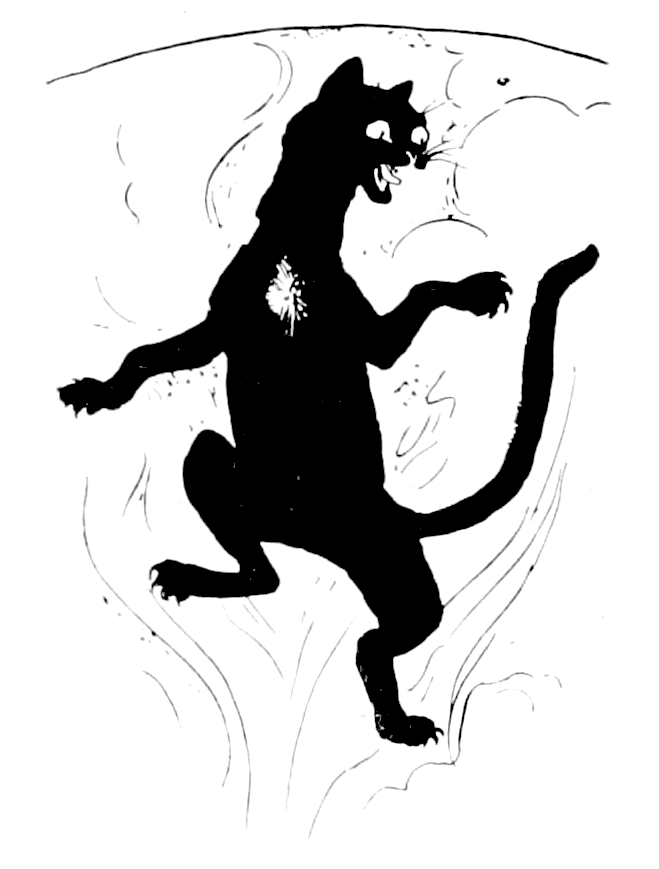
The cat-sìth, in Irish cat sí, is a fairy creature from Celtic mythology, said to resemble a large black cat with a white spot on its chest that walks on its hind legs. Legend has it that the spectral cat haunts the Scottish Highlands. The legends surrounding this creature are more common in Scottish folklore, but a few occur in Irish.
Cathubodua is the name of a Gaulish battle goddess.
Caturix was the war god of the Helvetii.
According to classical sources, the ancient Celts were animists. They honoured the forces of nature, saw the world as inhabited by many spirits, and saw the Divine manifesting in aspects of the natural world.

The gods and goddesses of the pre-Christian Celtic peoples are known from a variety of sources, including ancient places of worship, statues, engravings, cult objects, and place or personal names. The ancient Celts appear to have had a pantheon of deities comparable to others in Indo-European religion, each linked to aspects of life and the natural world. By a process of syncretism, after the Roman conquest of Celtic areas, most of these became associated with their Roman equivalents, and their worship continued until Christianization.

The Celtic leaf-crown is a motif of Celtic art from the early La Tène period. A leaf-crown is composed of two broad lobe-shaped elements. The crowns adorn the heads of anthropomorphic figures, almost always male and often bearded.

The Matres and Matronae were female deities venerated in Northwestern Europe, of whom relics are found dating from the first to the fifth century AD. They are depicted on votive offerings and altars that bear images of goddesses, depicted almost entirely in groups of three, that feature inscriptions and were venerated in regions of Germania, Eastern Gaul, and Northern Italy that were occupied by the Roman army from the first to the fifth century.
According to classical sources, the ancient Celts were animists. They honoured the forces of nature, saw the world as inhabited by many spirits, and saw the Divine manifesting in aspects of the natural world.

Celtic neopaganism refers to any type of modern paganism or contemporary pagan movements based on the ancient Celtic religion. One approach is Celtic Reconstructionism (CR), which emphasizes historical accuracy in reviving Celtic traditions. CR practitioners rely on historical sources and archaeology for their rituals and beliefs, including offerings to spirits and deities.
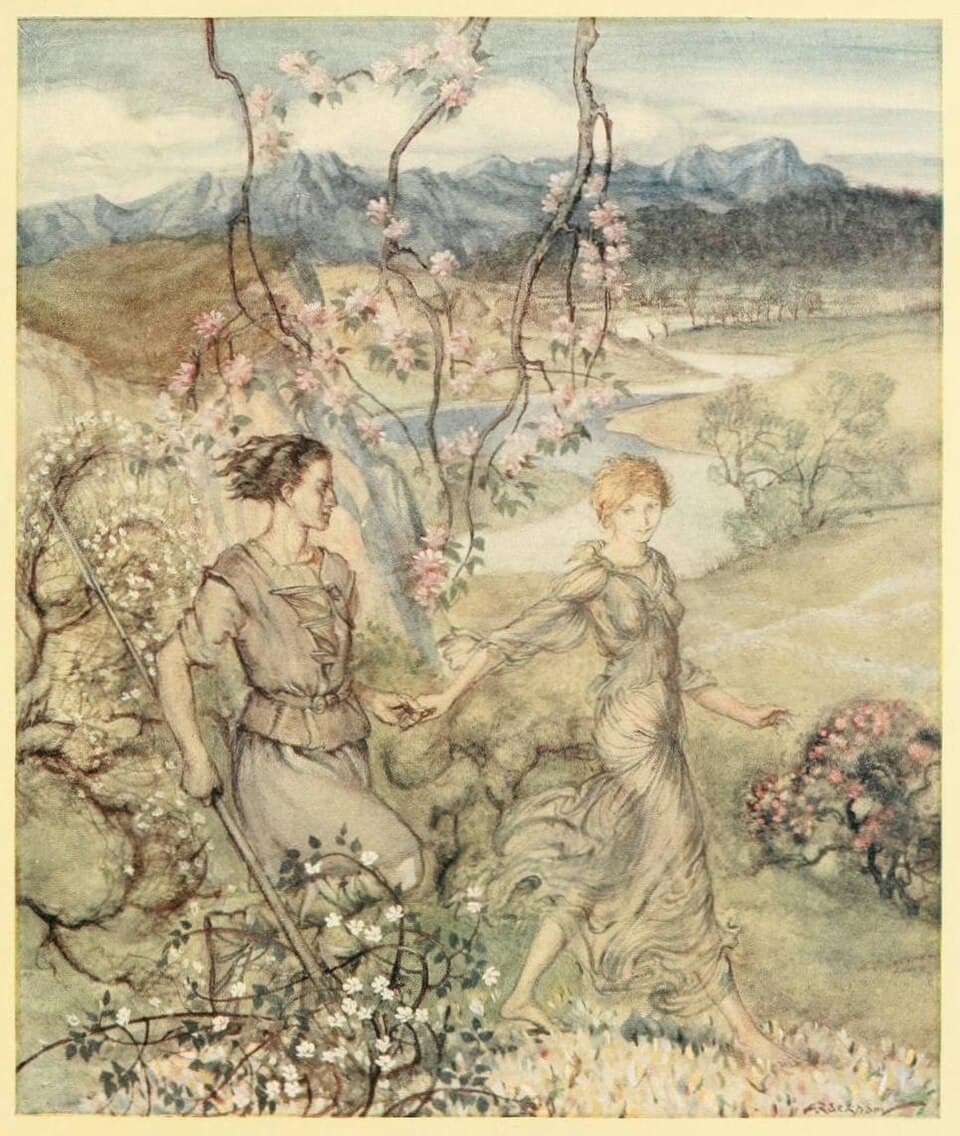
In Celtic mythology, the Otherworld is the realm of the deities and possibly also the dead. In Gaelic and Brittonic myth it is usually a supernatural realm of everlasting youth, beauty, health, abundance and joy. It is described either as a parallel world that exists alongside our own, or as a heavenly land beyond the sea or under the earth.

The Celtic Revival is a variety of movements and trends in the 19th, 20th and 21st centuries that see a renewed interest in aspects of Celtic culture. Artists and writers drew on the traditions of Gaelic literature, Welsh-language literature, and Celtic art—what historians call insular art. Although the revival was complex and multifaceted, occurring across many fields and in various countries in Northwest Europe, its best known incarnation is probably the Irish Literary Revival.
Celtic Wicca is a modern form of Wicca that incorporates some elements of Celtic mythology. It employs the same basic theology, rituals and beliefs as most other forms of Wicca. Celtic Wiccans use the names of Celtic deities, mythological figures, and seasonal festivals within a Wiccan ritual structure and belief system, rather than a traditional or historically Celtic one.
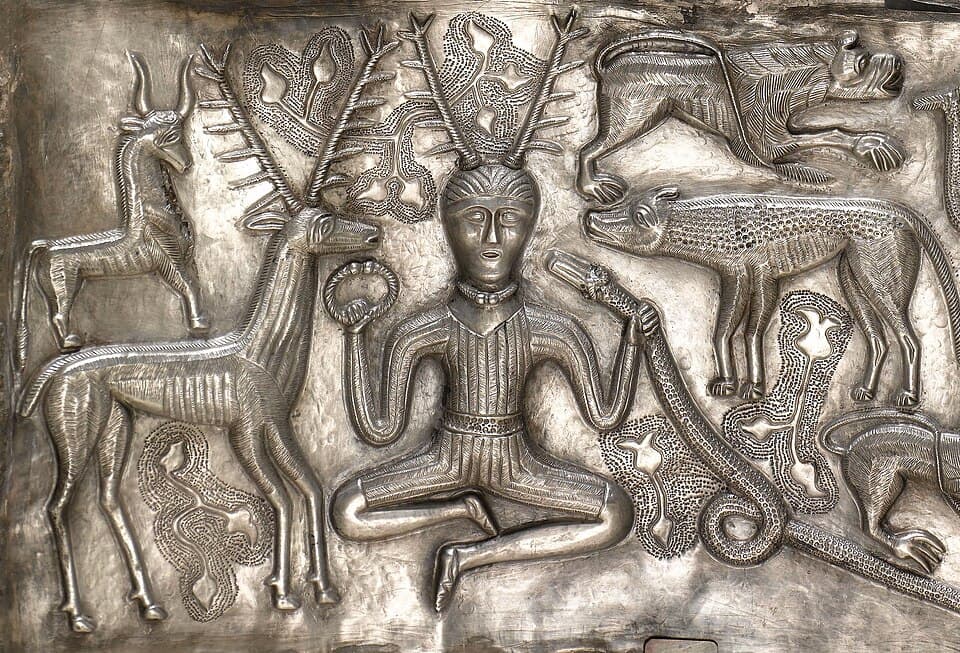
Cernunnos is a Celtic god whose name is only clearly attested once, on the 1st-century CE Pillar of the Boatmen from Paris, where it is identified with an image of an aged, antlered figure with torcs around his horns.
In Irish mythology, Cian or Cían, nicknamed Scal Balb, was the son of Dian Cecht, the physician of the Tuatha Dé Danann, and best known as the father of Lugh Lamhfada. Cían's brothers were Cu, Cethen, and Miach.
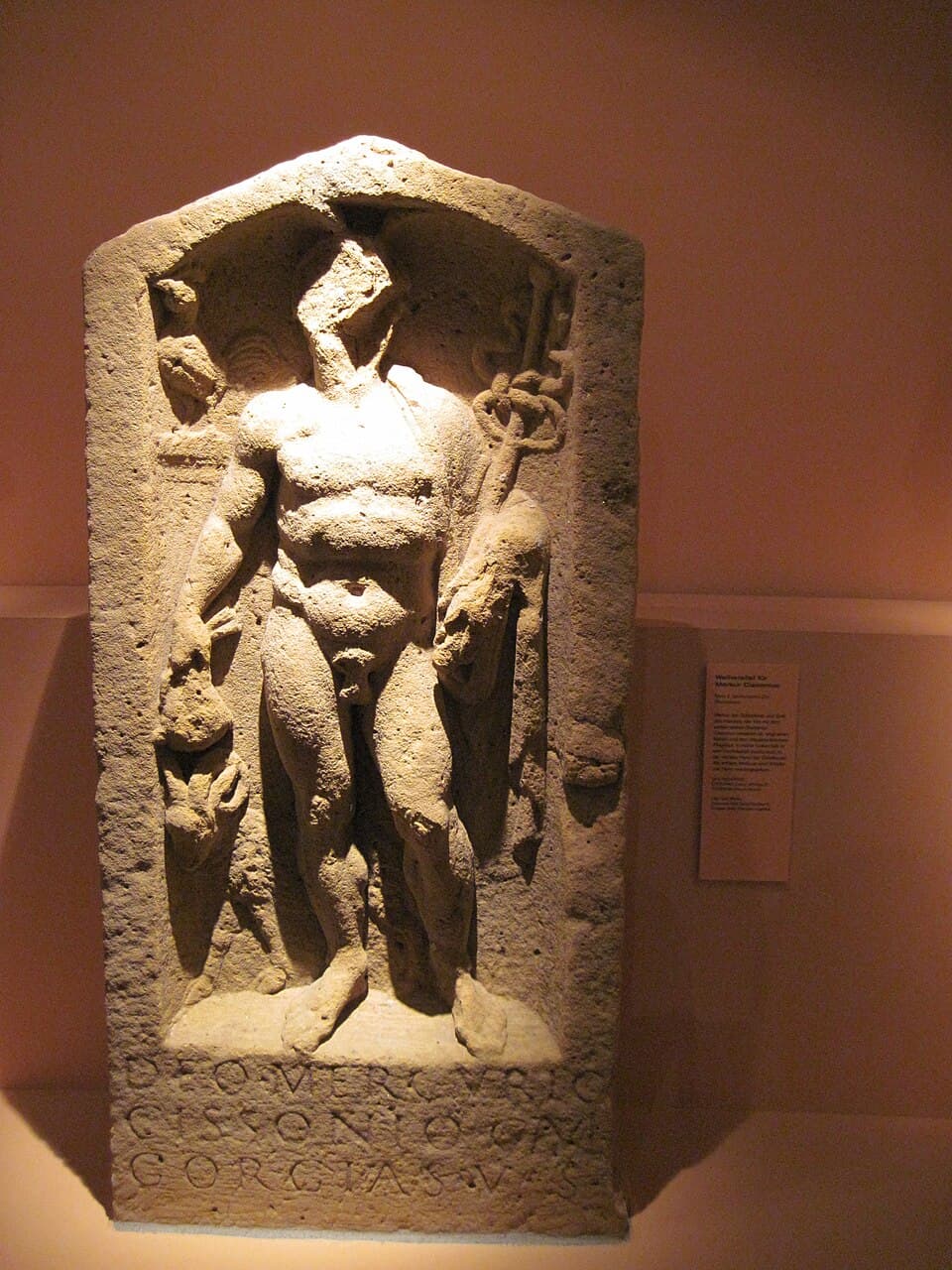
Cissonius was an ancient Celtic god. After Visucius, Cissonius was the most common name associated with Mercury.
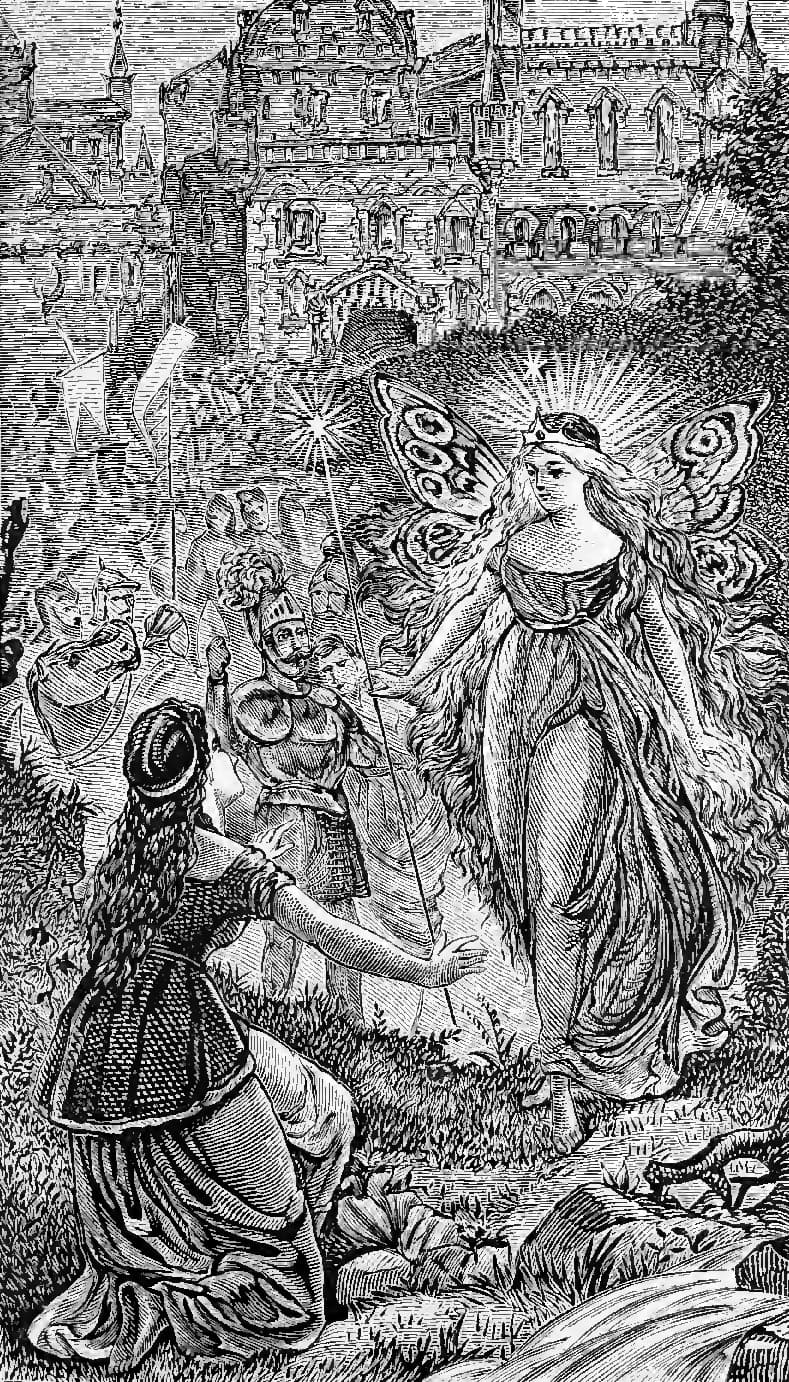
In Irish mythology, Clíodhna is a Queen of the Banshees of the Tuatha Dé Danann. Clíodna of Carrigcleena is the potent banshee that rules as queen over the sióga (fairies) of South Munster, or Desmond.
In Celtic mythology, Clṻd /klɨːd/ or Clọ:tā /klɔːtaː/ is a hypothesised/inferred Brittonic goddess of the River Clyde. If she was ever revered historically, she would presumably have been worshipped by the Damnonii tribe who held the territory around the Clyde basin which later was to become the Kingdom of Alt Clud, at least prior to the Christianisation of Roman Britain and possibly later.
In Romano-British religion, Cocidius was a deity worshipped in northern Britain. The Romans equated him with Mars, god of war and hunting, and also with Silvanus, god of forests, groves and wild fields. Like Belatucadros, he was probably worshipped by lower-ranked Roman soldiers as well as by the Britons for whom he was probably a tribal god - a genius loci.
Condatis was an ancient Celtic deity worshipped primarily in northern Britain but also in Gaul. He was associated with the confluences of rivers, in particular within County Durham in the North of England. Condatis is known from several inscriptions in Britain and a single inscription found at Alonnes, Sarthe, France.
The Corcu Loígde, meaning Gens of the Calf Goddess, also called the Síl Lugdach meic Itha, were a kingdom centred in West County Cork who descended from the proto-historical rulers of Munster, the Dáirine, of whom they were the central royal sept. They took their name from Lugaid Loígde "Lugaid of the Calf Goddess", a King of Tara and High King of Ireland, son of the great Dáire Doimthech. A descendant of Lugaid Loígde, and their most famous ancestor, is the legendary Lugaid Mac Con, who is listed in the Old Irish Baile Chuinn Chétchathaig.
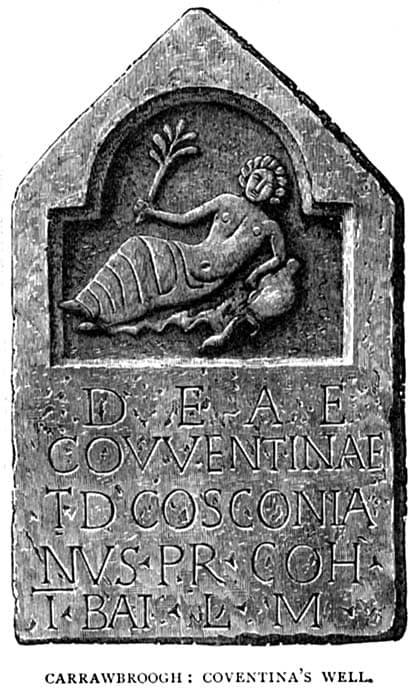
Coventina was a Romano-British goddess of wells and springs. She is known from multiple inscriptions at one site in Northumberland, England, an area surrounding a wellspring near Carrawburgh on Hadrian's Wall. It is possible that other inscriptions, two from Hispania and one from Narbonensis, refer to Coventina, but this is disputed.
In Irish mythology, Credne or Creidhne was the goldsmith of the Tuatha Dé Danann, but he also worked with bronze and brass. He and his brothers Goibniu and Luchtaine were known as the Trí Dée Dána, the three gods of art, who forged the weapons which the Tuatha Dé used to battle the Fomorians.
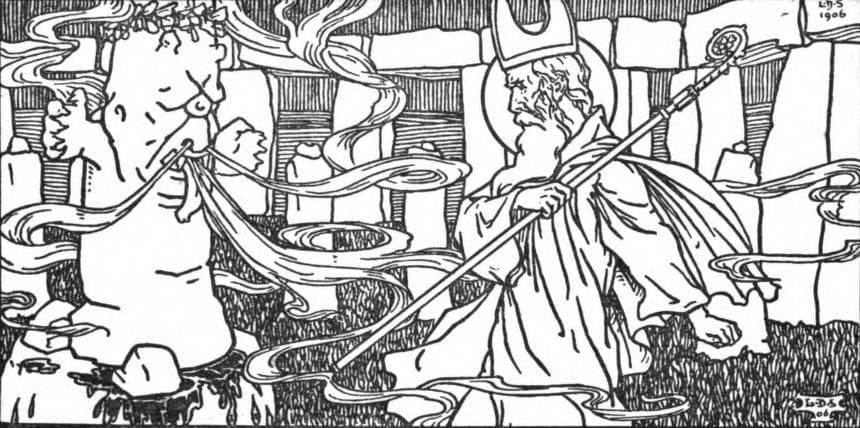
Crom Cruach was a pagan god of pre-Christian Ireland. According to Christian writers, he was propitiated with human sacrifice and his worship was ended by Saint Patrick.
Crom Dubh is a mythological and folkloric figure of Ireland, based on the god Crom Cruach, mentioned in the 12th-century dinnseanchas of Magh Slécht.
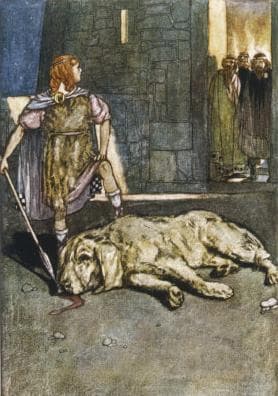
Cú Chulainn, is an Irish warrior hero and demigod in the Ulster Cycle of Irish mythology, as well as in Scottish and Manx folklore. He is believed to be an incarnation of the Irish god Lugh, who is also his father. His mother is the mortal Deichtine, sister of King Conchobar mac Nessa.
Cunomaglus is the epithet of a Celtic god identified with Apollo.
The cyhyraeth is a ghostly spirit in Welsh mythology, a disembodied moaning voice that sounds before a person's death.
In Gallo-Roman religion, Damona was a goddess worshipped in Gaul as the consort of Apollo Borvo and of Apollo Moritasgus.
*Danu is presumed to have been a goddess in Irish mythology, whose sole attestation is in the name of the Tuatha Dé Danann, which is usually translated 'the folk of the goddess Danu'. Despite a complete absence from the primary texts, some later Victorian folklorists attempted to ascribe certain attributes to Danu, such as association with motherhood or agricultural prosperity.
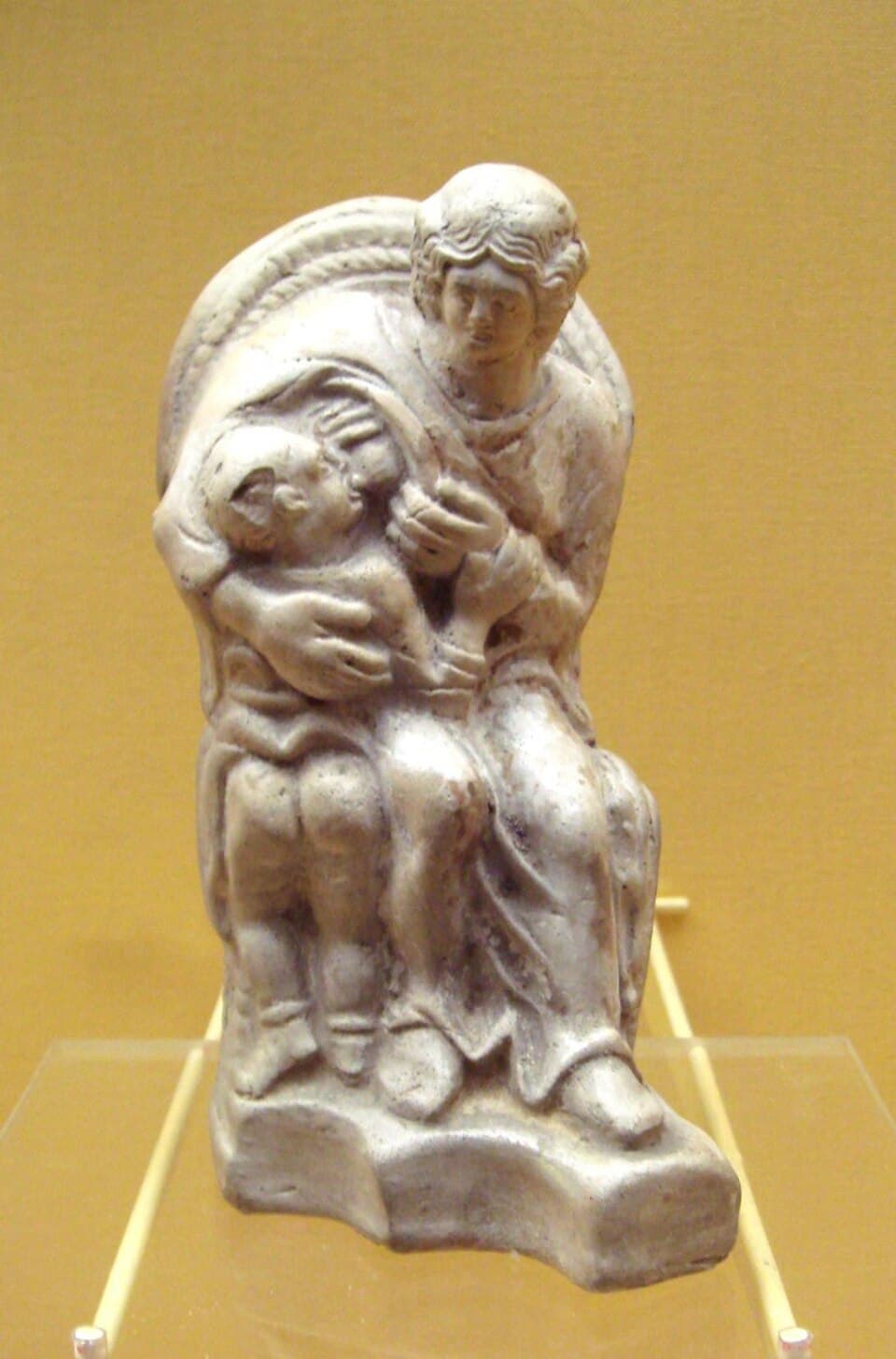
In Celtic mythology, Dea Matrona was the goddess who gives her name to the river Marne in Gaul.
In Irish mythology, Dian Cécht was the god of healing, the healer for the Tuatha Dé Danann, and son of the Dagda according to the Dindsenchas.

Diarmuid Ua Duibhne, also known as Diarmuid of the Love Spot, is a hero and demigod in the Fenian Cycle of Irish mythology, traditionally thought to be set in the 2nd to 4th century. He is the son of Donn, son of Duibhne of the Fianna, and Cochrann, daughter of Cathaír Mór. Diarmuid becomes the foster son and protégé of Aengus Óg, one of the Tuatha Dé Danann and the god of love, to the extent that a god of love can be said to exist in the corpus.
Divona is a Gallo-Roman goddess of springs and rivers.
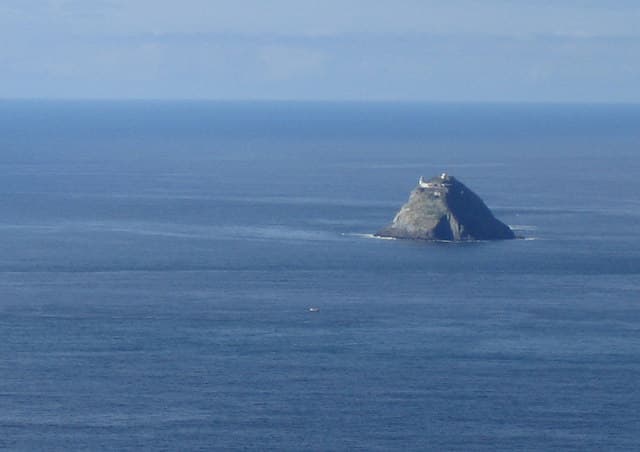
In Irish mythology, Donn is an ancestor of the Gaels and believed to be a god of the dead. Donn is said to dwell in Tech Duinn, where the souls of the dead gather. He may have originally been an aspect of the Dagda.
Duberdicus or Duberdico, is a Lusitanian theonym, in the cultural area of Lusitania. It has historically been assumed that this was a water god, but Jorge de Alarcão disagrees with this assertion. He assumes that it is a theonym associated with a specific fortress.
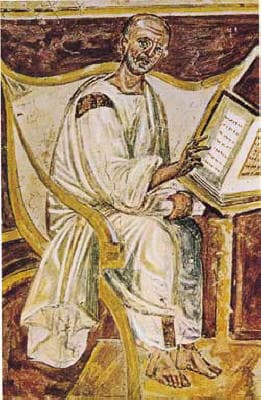
In the Gaulish language, Dusios was a divine being among the continental Celts who was identified with the god Pan of ancient Greek religion and with the gods Faunus, Inuus, Silvanus, and Incubus of ancient Roman religion. Like these deities, he might be seen as multiple in nature, and referred to in the plural (dusioi), most commonly in Latin as dusii. Although the Celtic Dusios is not described in late-antique sources independently of Greek and Roman deities, the common functionality of the others lay in their ability to impregnate animals and women, often by surprise or force.
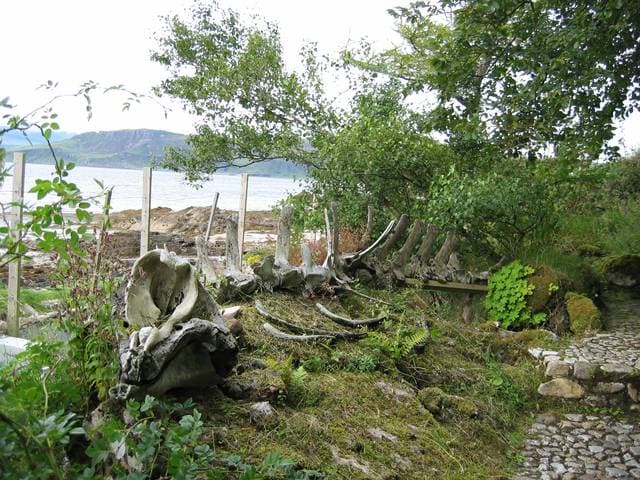
The each-uisge is a water spirit in Irish and Scottish folklore, spelled as the each-uisce in Ireland and cabbyl-ushtey on the Isle of Man. It usually takes the form of a horse, and is similar to the kelpie but far more vicious.
In Celtic mythology, Ecne was one of the Tuatha Dé Danann and was the god or goddess of wisdom.
In Irish mythology, Elatha, Elotha, Elier or Elada was a king of the Fomorians and the father of Bres by Ériu of the Tuatha Dé Danann, as well as Delbaeth, Ogma, Elloth, and the Dagda by an unnamed mother. The imagery surrounding him suggests he may be associated with sources of light and illumination, such as the sun.
In Irish mythology, Elcmar or Ecmar is the husband of Boann and belongs to the divine Tuatha Dé Danann. It has been suggested that he is Nuada under another name, and he is sometimes confused with Nechtan, Boann's usual husband. At first glance he appears to be associated with horses but there is also a school of thought that says his name means The Evil One.
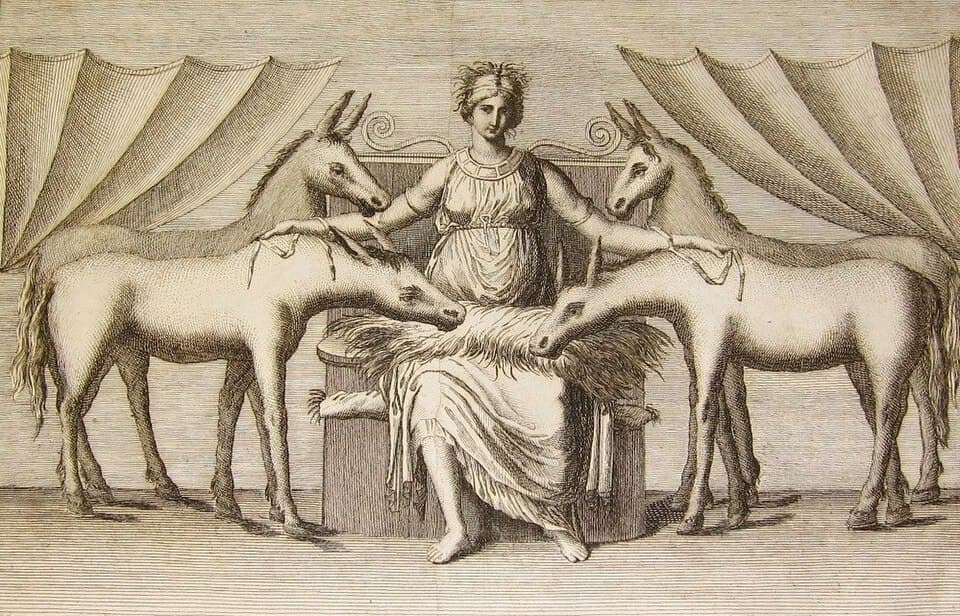
In Gallo-Roman religion, Epona was the goddess of horses and ponies. She was also a fertility and mother goddess, and was frequently depicted in art and sculptures either mounted on a horse, etc. , or sitting on a throne with foals, or standing beside a foal.
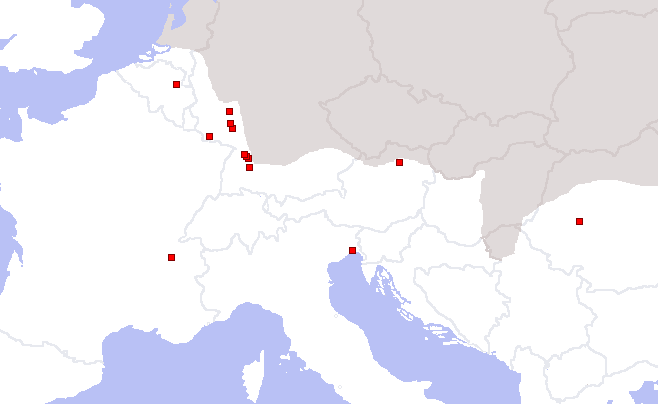
Erecura or Aerecura was a goddess worshipped in ancient times, often thought to be Celtic in origin, mostly represented with the attributes of Proserpina and associated with the Roman underworld god Dis Pater, as on an altar from Sulzbach. She appears with Dis Pater in a statue found at Oberseebach, Switzerland, and in several magical texts from Austria, once in the company of Cerberus and once probably with Ogmios. A further inscription to her has been found near Stuttgart, Germany.
Ernmas is an Irish mother goddess, mentioned in Lebor Gabála Érenn and "Cath Maige Tuired" as one of the Tuatha Dé Danann. Her daughters include the trinity of eponymous Irish goddesses Ériu, Banba and Fódla, the trinity of war goddesses the Badb, Macha and Mórrígan, and also a trinity of sons, Glonn, Gnim, and Coscar. Her other sons are Fiacha and Ollom.
Erriapus was a tutelary deity worshipped in southern Gaul.

The Essonne is a 101-kilometre (63 mi) long French river. It is a left tributary of the Seine. Its course crosses the departments of Loiret and Essonne, and it gives its name to the latter.
Complete index
All 206 names, alphabetically. The grid above pages; this list is the whole holding.