
Takenouchi no Sukune
Takenouchi no Sukune (武内宿禰) or Takeshiuchi no Sukune was a legendary hero and statesman of the 1st century. He was enshrined as a kami. He is recorded in Japan's earliest literary texts, the Kojiki and the Nihon Shoki (720).
Pantheon
Page 2 of 2.
136 entries
These three are recorded for the Japanese pantheon as a whole. The archive holds no separate culture, civilization or period for the individual entries below.
Page 2 of 2
Showing 109–136 of 136, alphabetically.
Takenouchi no Sukune (武内宿禰) or Takeshiuchi no Sukune was a legendary hero and statesman of the 1st century. He was enshrined as a kami. He is recorded in Japan's earliest literary texts, the Kojiki and the Nihon Shoki (720).
In Japanese mythology, Takitsuhiko is a god of waterfalls. He is known also as 'Prince Cataract', and is the son of Ajisukitakahikone as well as the nephew of Takemikazuchi.
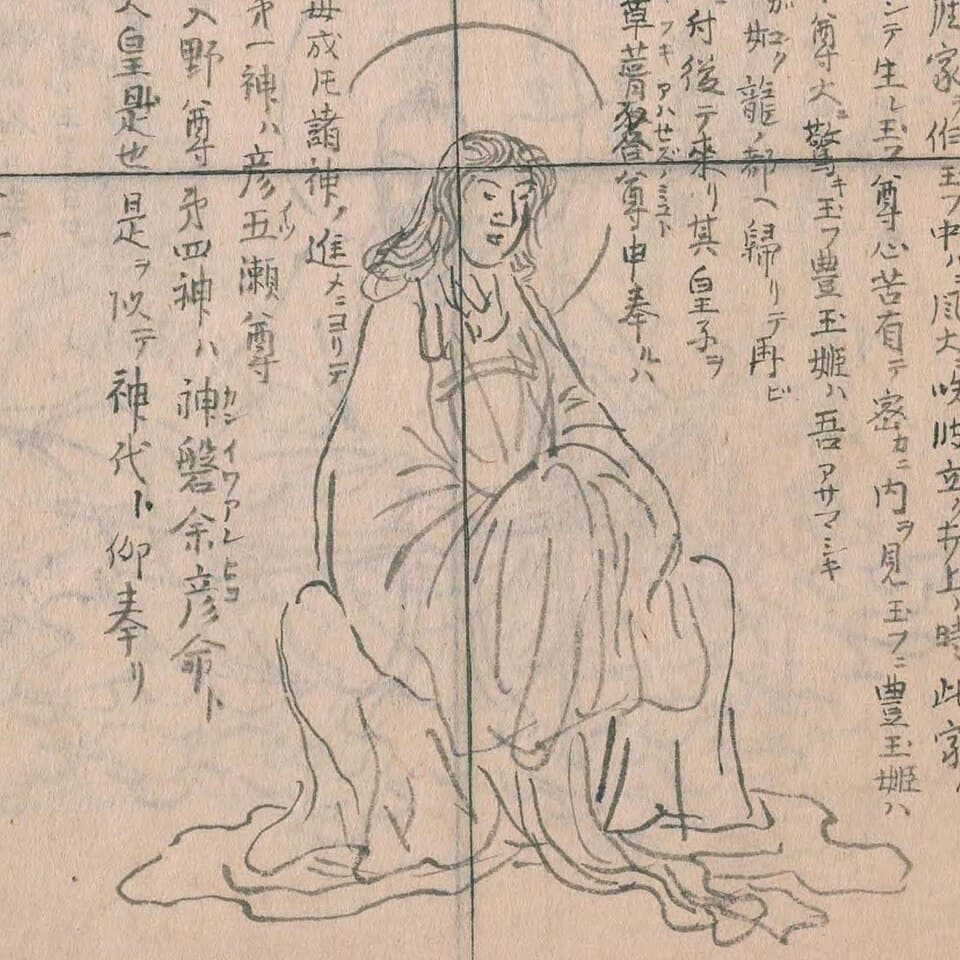
Tamayori-hime is a goddess in Japanese mythology. Her name is spelled as 玉依毘売命 in the Kojiki and 玉依姫 in the Nihon Shoki.
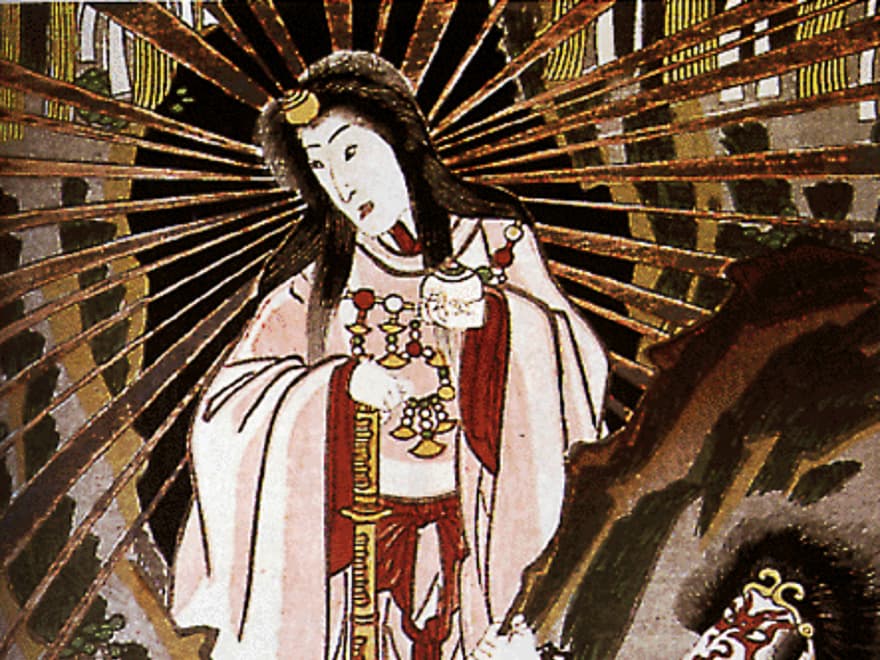
Tengu are a type of legendary creature found in Shinto belief. They are considered a type of yōkai or kami. The Tengu were originally thought to take the forms of birds of prey and a monkey deity, and they were traditionally depicted with human, monkey, and avian characteristics.
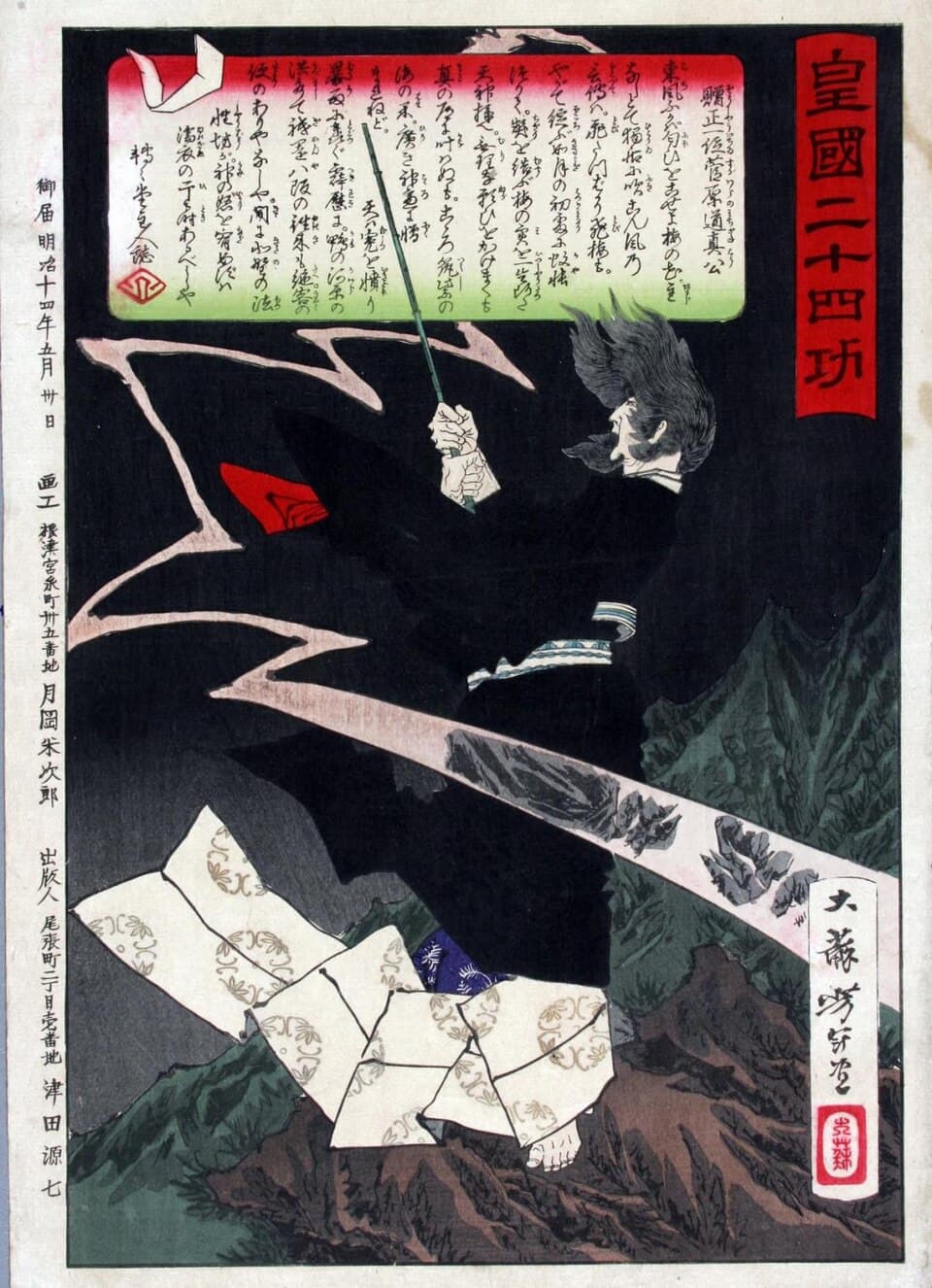
In the Shinto religion of Japan, Tenjin (天神), also called Tenman Daijizai Tenjin (天満大自在天神), is the patron kami (deity) of academics, scholarship, of learning, and of the intelligentsia.
Three Noble Children are three gods in Japanese mythology who were created when Izanagi, having returned from Yomi, washed away the filth of the other world. They are also called Sankishi or Sankishin (三貴神). Amaterasu – created from Izanagi's left eye.
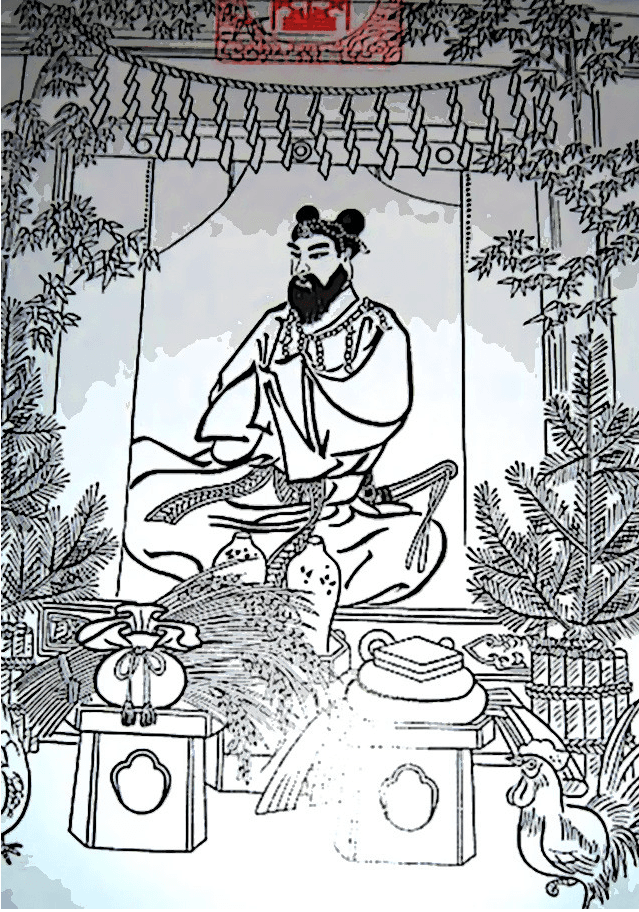
Toshigami , also known as Ōtoshi-no-kami , is a Japanese kami and a part of the Shinto pantheon.
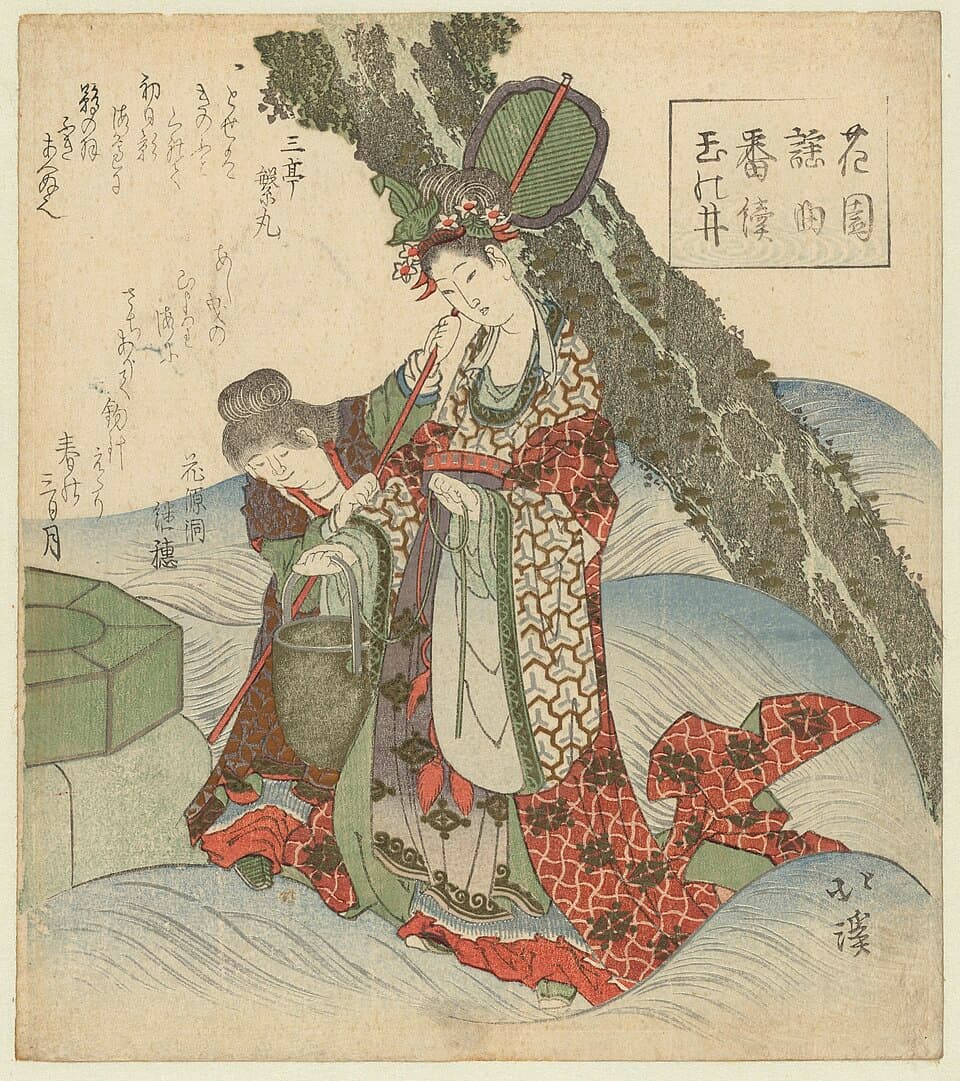
Toyotama-hime is a goddess in Japanese mythology who appears in Kojiki and Nihon Shoki. She is the daughter of the sea deity, Watatsumi, and the wife of Hoori. She is known as the paternal grandmother of Emperor Jimmu, the first emperor of Japan.

Toyouke-hime is the deity (kami) of food and grain in Japan. Originally enshrined in the Tanba Province, it is said she was called to reside at the Outer Shrine of Ise Shrine in the 5th century, during the reign of Emperor Yūryaku, to offer sacred food to Amaterasu, the ruling kami and sun goddess. She is worshipped as a secondary kami at Chōkaisan Ōmonoimi Shrine.
Tsukuyomi or Tsukiyomi (ツキヨミ), also Tsukuyomi-no-Mikoto , is the moon kami in Japanese mythology and the Shinto religion. The name "Tsukuyomi" is a compound of the Old Japanese words tsuku and yomi .
Ubusunagami in Shinto are tutelary kami of one's birthplace.
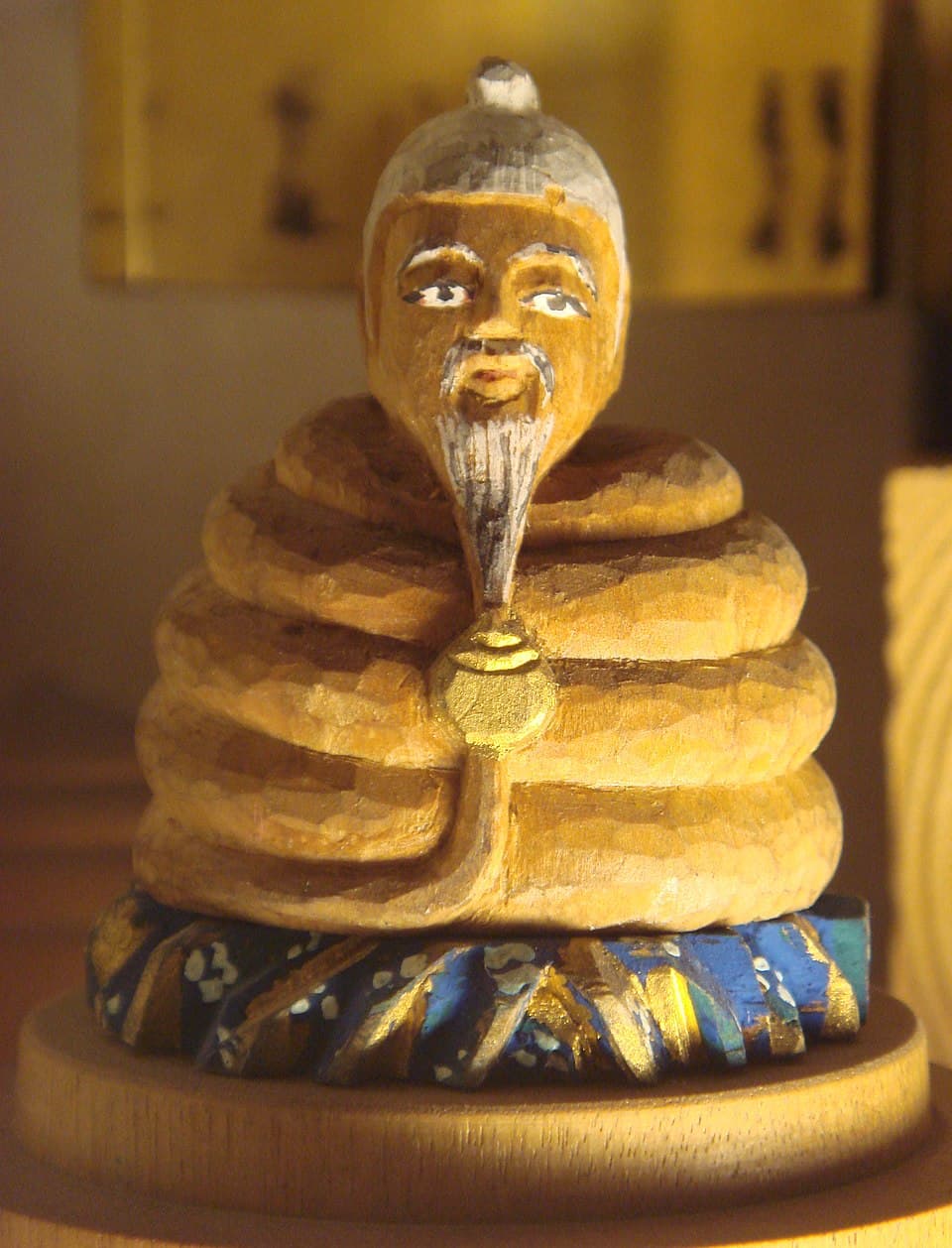
Ugajin (宇賀神) is a harvest and fertility kami of Japanese mythology. Ugajin is represented both as a male and a female, and is often depicted with the body of a snake and the head of a bearded man, for the masculine variant, or the head of a woman, for the female variant. In Tendai Buddhism Ugajin was syncretically fused with Buddhist goddess Benzaiten, which became known as Uga Benzaiten or Uga Benten.
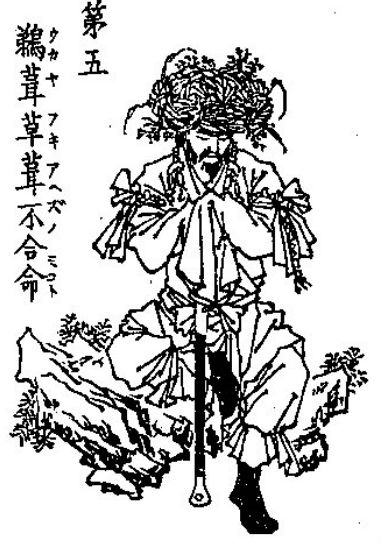
Ugayafukiaezu no Mikoto (鵜葺草葺不合命) is a Shinto kami, and is in Japanese mythology, the father of Japan's first Emperor, Emperor Jimmu.
An ujigami is a guardian kami of a particular place in the Shinto religion of Japan. The ujigami are prayed to for a number of reasons, including protection from sickness, success in endeavors, and good harvests.
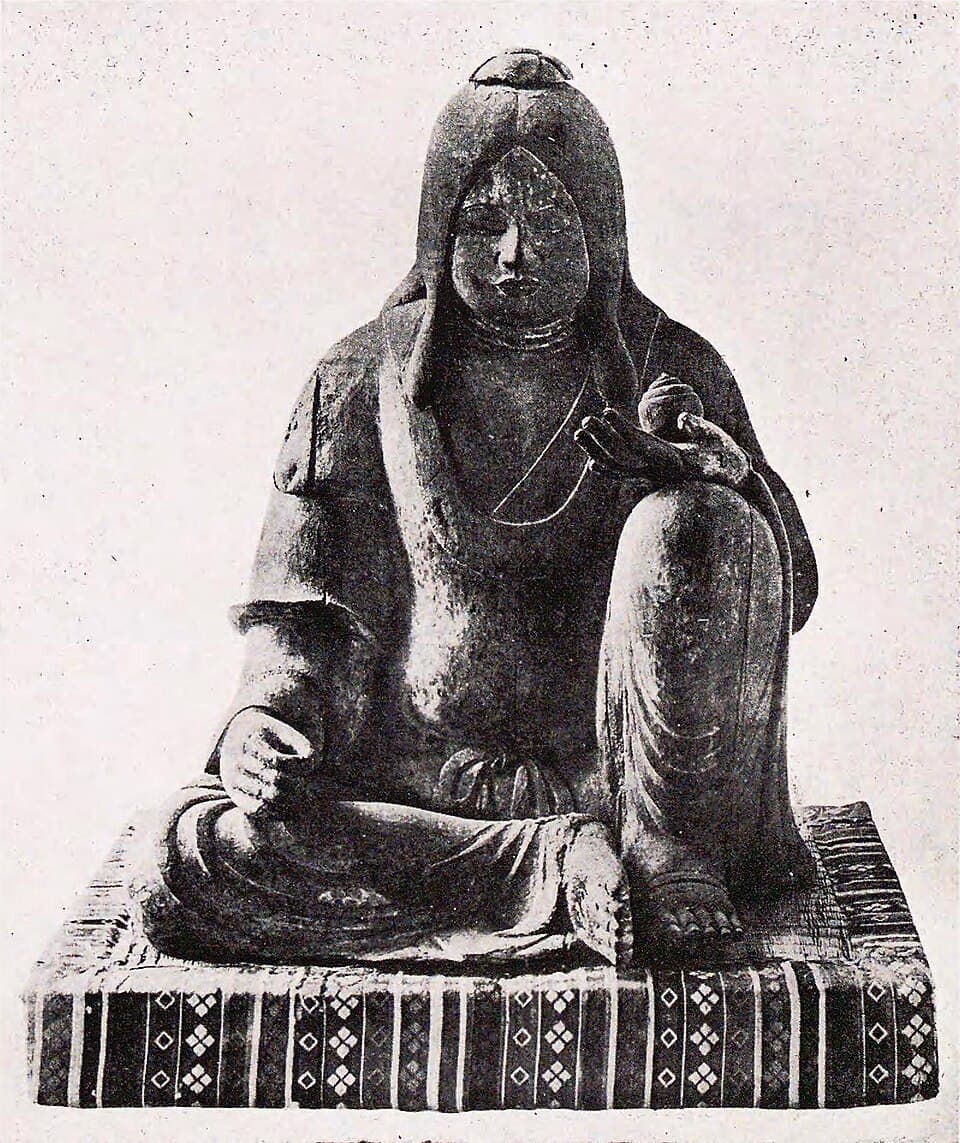
Ukanomitama is a kami in classical Japanese mythology, associated with food and agriculture, often identified with Inari, the deity of rice.
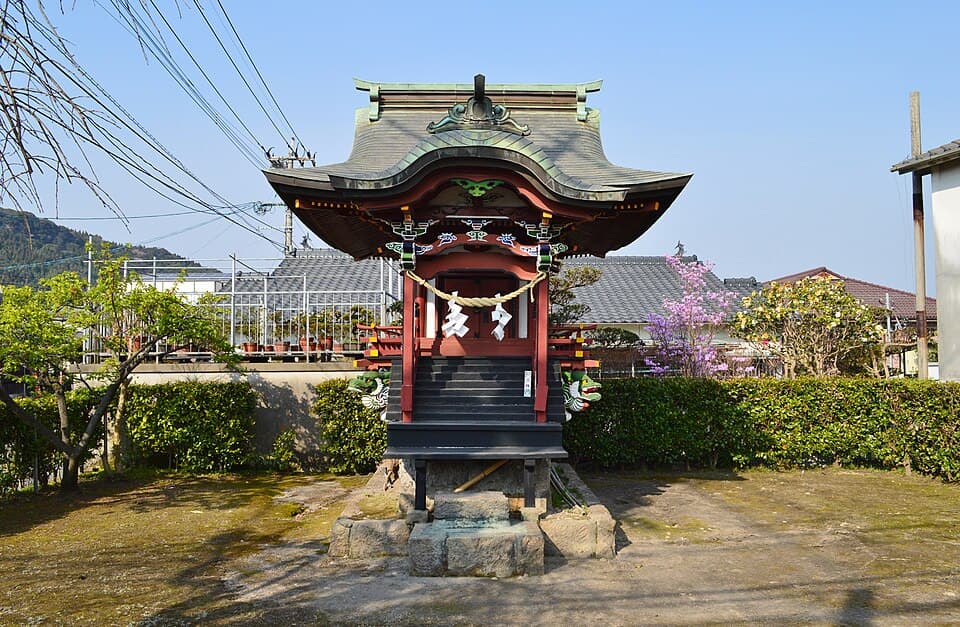
Ōgetsu-hime , commonly known as Ukemochi , the daughter of the deities Izanagi and Izanami, is a goddess of food in Japan and appears as a dema deity. Ukemochi is referred to as both male and female in different contexts. When shown in other forms, Ukemochi takes the shape of a fox.
Umashiashikabihikoji is a kami. According to the Kojiki, he came into being as a hitorigami early in the creation of the universe. He was the fourth kami to come into existence and the first to have a gendered name.
Umisachi-hiko (海佐知毘古/海幸彦), in Japanese mythology and folklore, was a deity of the bounty of the sea and enchanted fisherman.
Wakumusubi (和久産巣日神) is a kami of agriculture. In many versions, he was born from the urine of Izanami when she died. Another version of the Nihon Shoki states he was a child of Kagutsuchi and Haniyasu-hime.

Watatsumi , also pronounced Wadatsumi, is a legendary kami, Japanese dragon and tutelary water deity in Japanese mythology. Ōwatatsumi no kami is believed to be another name for the sea deity Ryūjin and also for the Watatsumi Sanjin , which rule the upper, middle and lower seas respectively and were created when Izanagi was washing himself of the dragons blood when he returned from Yomi, "the underworld".
Yakusanoikazuchi or ikazuchi is a collective name for the eight kami of thunder in Japanese mythology. Each one represents a different type of storm.

Yamato Okunitama is a kami, the okunitama or tutelary deity of Yamato Province.

Yamato Takeru , originally Prince Ousu , was a Japanese folk hero and semi-legendary prince of the imperial dynasty, son of Emperor Keikō, who is traditionally counted as the 12th Emperor of Japan. The kanji spelling of his name varies: it appears in the Nihon Shoki as 日本武尊 and in the Kojiki as 倭建命.

Yamatohime-no-mikoto is a Japanese figure who is said to have established Ise Shrine, where the goddess of the sun, Amaterasu, is enshrined. Yamatohime-no-mikoto is recorded as being the daughter of Emperor Suinin, Japan's 11th emperor.

Yasakatome (八坂刀売神) is a kami in Shinto. She is worshipped in the Suwa Taisha network of shrines. She is the wife of Takeminakata and most often considered to be the deity of the Lower Shrine of Suwa or the Shimosha.
Yashimajinumi (八島士奴美神) is a Japanese god.
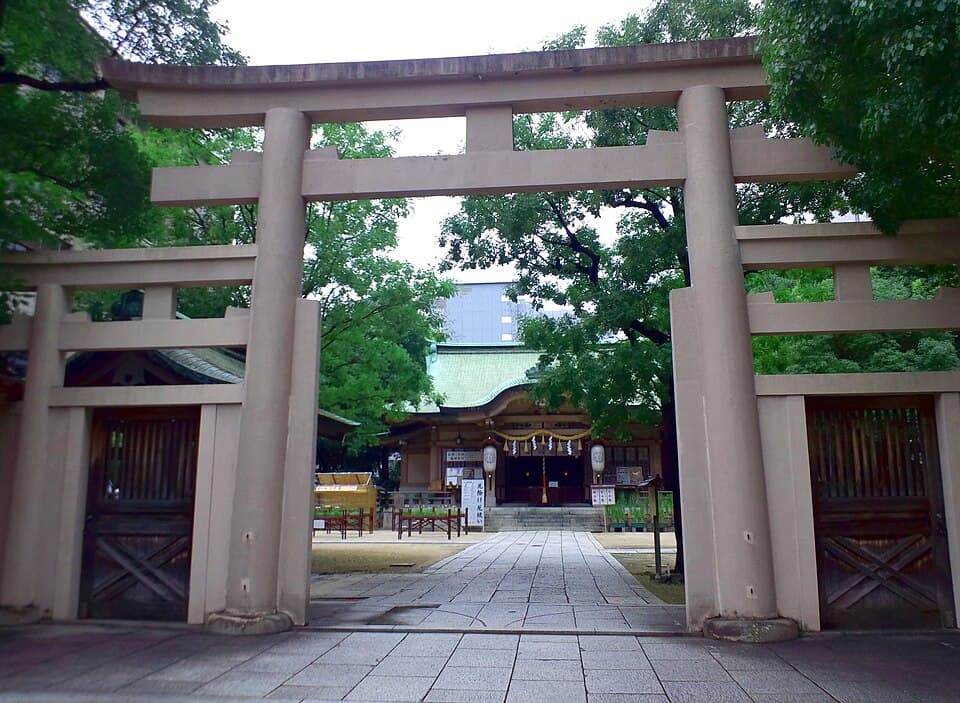
Ikasuri Shrine is a major Shinto shrine located in central Osaka, Japan. Its annual festival is on April 22. In the former modern system of ranked Shinto shrines it was an imperial shrine of the second rank or kanpei-chūsha (官幣中社).
In Shinto, Zuijin are Kami warrior-guardian figures, Kami that guard over shrine gates are considered to be Kado-Mori-no-Kami or Kadomori-no-Kami, the gods who watch over the gates. They're often depicted as holding bows and arrows or wearing three silver rings. It appears on glass-like materials.