The Nakhla Raid: First Blood in the Sacred Month and Verse 2:217
On the last evening of Rajab, a single arrow at Nakhla gave the early Muslims their first kill, first captives and first spoils — in a month all Arabia held sacred. Then verse 2:217 came down. Ibn Ishaq preserved the whole sequence, step by step. The texts are before you.
By John Shaqi · July 24, 2026 · 15 min read
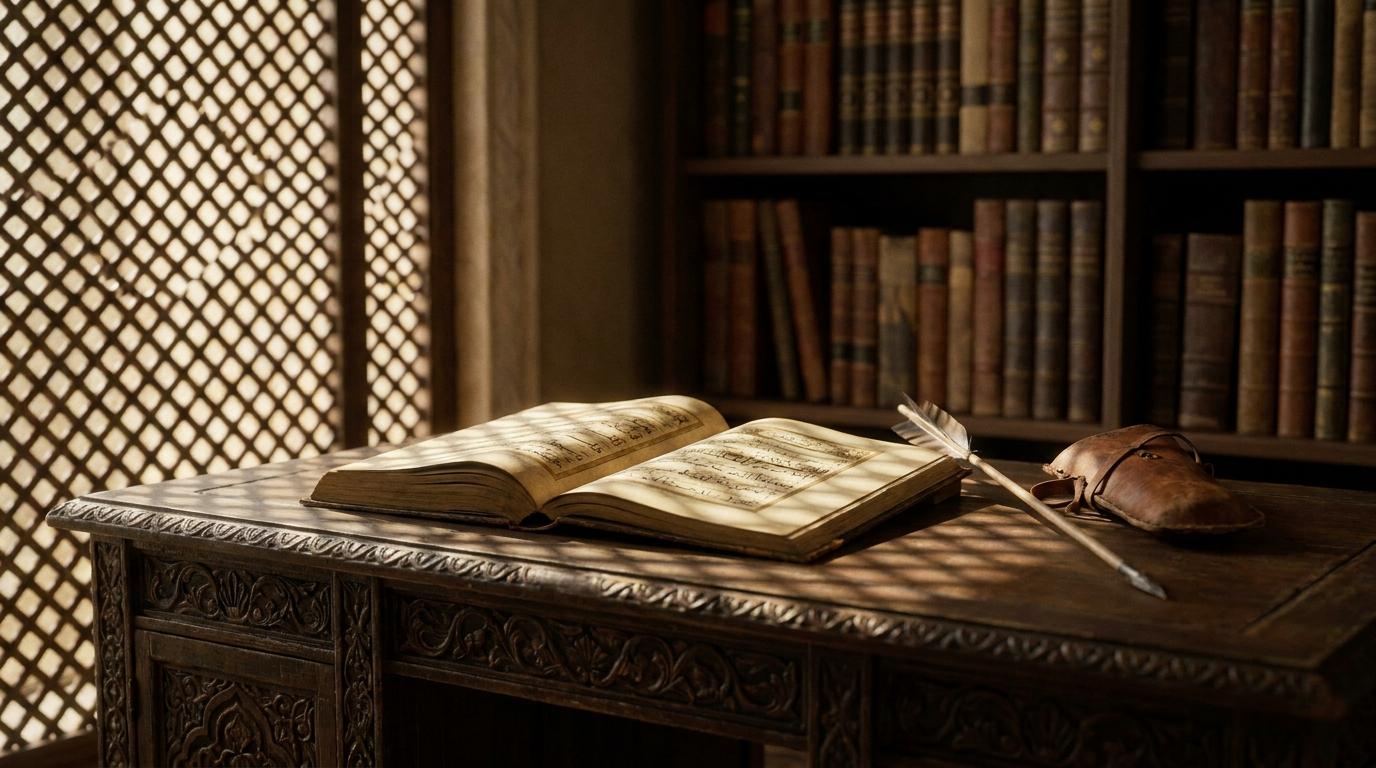
An Arrow on the Last Evening of Rajab
The valley of Nakhla sits on the caravan road between Mecca and al-Taif. In Rajab of the second year after the Hijra — around January 624 CE — a small Quraysh caravan moved through it, loaded with raisins, leather and trade goods, guarded by four men. On a rise nearby camped eight men from Medina. One of them, Ukkasha ibn Mihsan, had a shaven head. Seeing it, the caravan relaxed: pilgrims — no danger from them. They unloaded their camels and began preparing food.
Then an arrow flew. Amr ibn al-Hadrami fell dead. Two of the merchants were bound as captives; one escaped. By evening the men of Medina were driving the caravan toward home. The oldest biography of the Prophet of Islam records this as three firsts: the first man killed in the new faith's cause, the first captives, the first spoils of war. And it records one difficulty alongside them: by most reports, all of this happened in — or on the very last evening of — Rajab, one of the four months in which all of Arabia, by ancient consensus, held bloodshed to be forbidden.
Continue Reading
Continue reading this article
Sign in free to read in full. Become a member to join the discussion without limits.
Sign in free to read →- ✓Read every article
- ✓Comment and reply (up to 100 words, 10/month)
- ✓Browse the community
- ✓Reader badge