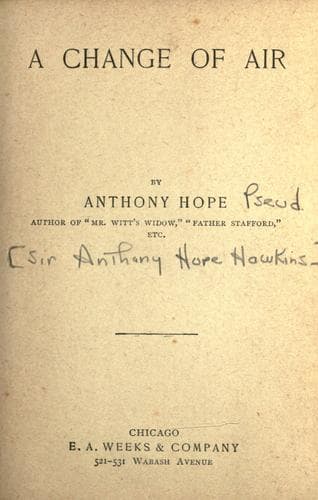
Country homes -- Fiction; England -- Social life and customs -- 19th century -- Fiction; Fame -- Fiction; Poets -- Fiction
It must not, however, be supposed that the lion and the lamb have quite
sunk their differences and lain down together at Market Denborough.
There, as elsewhere, the millennium tarries, and there are not wanting
fierce feuds, personal, municipal, nay, even, within the wide limits
of Mr. Delane's tolerance, political. If it were not so, the Mayor
would not have been happy, for the Mayor loved a fight; and Alderman
Johnstone, who was a Radical, would have felt his days wasted; and
the two gentlemen would not have been, as they continually were, at
loggerheads concerning paving contracts and kindred subjects. There was
no want of interests in life, if a man were ready to take his own part
and keep a sharp eye on the doings of his neighbor. Besides, the really
great events of existence happened at Market Denborough much as they
do in London; people were born, and married, and died; and while that
rotation is unchecked, who can be seriously at a loss for matter of
thought or topic of conversation?
As Mr. James Roberts, member of the Royal College of Surgeons, a thin
young man, with restless eyes and tight-shut lips, walked down High
Street one hot, sunny afternoon, it never entered his head that there
was not enough to think about in Market Denborough. Wife and child,
rent, rates and taxes, patients and prescriptions, the relation between
those old enemies, incomings and outgoings, here was food enough
for any man's meditations. Enough? Ay, enough and to spare of such
distasteful, insipid, narrow, soul-destroying stuff. Mr., or, to give
him the brevet rank all the town gave him. Dr. Roberts, hated these
sordid, imperious interests that gathered round him and hemmed him in,
shutting out all else--all dreams of ambition, all dear, long-harbored
schemes, all burning enthusiasms, even all chance of seeking deeper
knowledge and more commanding skill. Sadly and impatiently the doctor
shook his head, trying to put his visions on one side, and nail his
mind down to its work. His first task was to turn three hundred pounds
a year into six hundred pounds. It was hard it should be so, and he
chafed against necessity, forgetting, as perhaps he pardonably might,
that the need was the price he paid for wife and child. Yes, it was
hard; but so it was. If only more people would be--no, but if only more
people who were ill would call in Dr. Roberts! Then he could keep two
horses, and not have to "pad the hoof," as he phrased it to himself,
about sweltering streets or dusty lanes all the long afternoon, because
his one pony was tired out with carrying him in the morning to Dirkham,
a village five miles off, where he was medical officer at a salary of
forty pounds by the year. That was forty, and Ethel had a hundred,
and the profits from his paying patients (even if you allowed for the
medicine consumed by those who did not pay) were about a hundred and
fifty. But then the bills---- Oh, well, he must go on. The second horse
Public-domain text, read in full here on John Shaqi.
Reviews
Reviews
No reviews yet
Be the first to share your thoughts on this work.
Join the Discussion
Join the discussion
Sign in to leave a comment or review.
Sign InorCreate an account