Anyway, there is greenery and breadth of space enough to be
as good as beauty to a child and a dog; and these two asked no better,
when their work was done, than to lie buried in the lush grasses on the
side of the canal, and watch the cumbrous vessels drifting by and bring
the crisp salt smell of the sea among the blossoming scents of the
country summer.
True, in the winter it was harder, and they had to rise in the darkness
and the bitter cold, and they had seldom as much as they could have
eaten any day, and the hut was scarce better than a shed when the nights
were cold, although it looked so pretty in warm weather, buried in a
great kindly clambering vine, that never bore fruit, indeed, but which
covered it with luxuriant green tracery all through the months of
blossom and harvest. In winter the winds found many holes in the walls
of the poor little hut, and the vine was black and leafless, and the
bare lands looked very bleak and drear without, and sometimes within the
floor was flooded and then frozen. In winter it was hard, and the snow
numbed the little white limbs of Nello, and the icicles cut the brave,
untiring feet of Patrasche.
But even then they were never heard to lament, either of them. The
child's wooden shoes and the dog's four legs would trot manfully
together over the frozen fields to the chime of the bells on the
harness; and then sometimes, in the streets of Antwerp, some housewife
would bring them a bowl of soup and a handful of bread, or some kindly
trader would throw some billets of fuel into the little cart as it went
homeward, or some woman in their own village would bid them keep a share
of the milk they carried for their own food; and they would run over
the white lands, through the early darkness, bright and happy, and burst
with a shout of joy into their home.
So, on the whole, it was well with them, very well; and Patrasche,
meeting on the highway or in the public streets the many dogs who toiled
from daybreak into nightfall, paid only with blows and curses, and
loosened from the shafts with a kick to starve and freeze as best they
might--Patrasche in his heart was very grateful to his fate, and thought
it the fairest and the kindliest the world could hold. Though he was
often very hungry indeed when he lay down at night; though he had to
work in the heats of summer noons and the rasping chills of winter
dawns; though his feet were often tender with wounds from the sharp
edges of the jagged pavement; though he had to perform tasks beyond his
strength and against his nature--yet he was grateful and content: he did
his duty with each day, and the eyes that he loved smiled down on him.
It was sufficient for Patrasche.
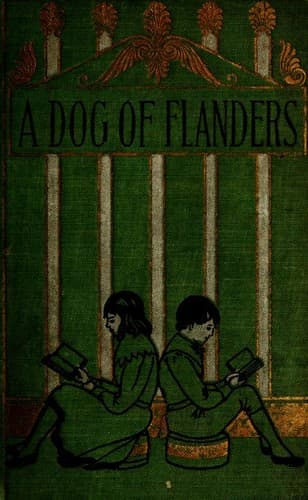
[Illustration]
Public-domain text, read in full here on John Shaqi.
Reviews
Reviews
No reviews yet
Be the first to share your thoughts on this work.
Join the Discussion
Join the discussion
Sign in to leave a comment or review.
Sign InorCreate an account