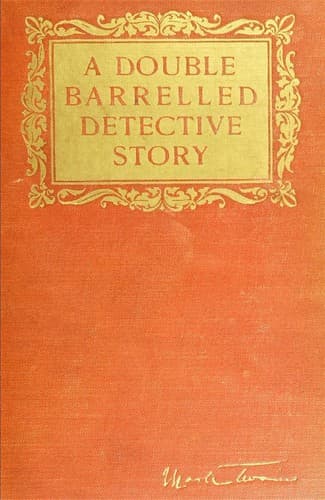
American fiction -- 20th century; Detective and mystery stories
From that moment onward, for three months, the young wife suffered all
the humiliations, all the insults, all the miseries that the diligent
and inventive mind of the husband could contrive, save physical injuries
only. Her strong pride stood by her, and she kept the secret of her
troubles. Now and then the husband said, “Why don't you go to your
father and tell him?” Then he invented new tortures, applied them, and
asked again. She always answered, “He shall never know by my mouth,” and
taunted him with his origin; said she was the lawful slave of a scion of
slaves, and must obey, and would--up to that point, but no further; he
could kill her if he liked, but he could not break her; it was not in
the Sedgemoor breed to do it. At the end of the three months he said,
with a dark significance in his manner, “I have tried all things but
one”--and waited for her reply. “Try that,” she said, and curled her lip
in mockery.
That night he rose at midnight and put on his clothes, then said to her,
“Get up and dress!”
She obeyed--as always, without a word. He led her half a mile from the
house, and proceeded to lash her to a tree by the side of the public
road; and succeeded, she screaming and struggling. He gagged her then,
struck her across the face with his cowhide, and set his bloodhounds
on her. They tore the clothes off her, and she was naked. He called the
dogs off, and said:
“You will be found--by the passing public. They will be dropping along
about three hours from now, and will spread the news--do you hear?
Good-by. You have seen the last of me.”
He went away then. She moaned to herself:
“I shall bear a child--to him! God grant it may be a boy!”
The farmers released her by-and-by--and spread the news, which was
natural. They raised the country with lynching intentions, but the bird
had flown. The young wife shut herself up in her father's house; he shut
himself up with her, and thenceforth would see no one. His pride was
broken, and his heart; so he wasted away, day by day, and even his
daughter rejoiced when death relieved him.
Then she sold the estate and disappeared.
II
In 1886 a young woman was living in a modest house near a secluded New
England village, with no company but a little boy about five years old.
She did her own work, she discouraged acquaintanceships, and had none.
The butcher, the baker, and the others that served her could tell the
villagers nothing about her further than that her name was Stillman, and
that she called the child Archy. Whence she came they had not been able
to find out, but they said she talked like a Southerner. The child had
no playmates and no comrade, and no teacher but the mother. She
taught him diligently and intelligently, and was satisfied with the
results--even a little proud of them. One day Archy said,
“Mamma, am I different from other children?”
“Well, I suppose not. Why?”
Public-domain text, read in full here on John Shaqi.
Reviews
Reviews
No reviews yet
Be the first to share your thoughts on this work.
Join the Discussion
Join the discussion
Sign in to leave a comment or review.
Sign InorCreate an account