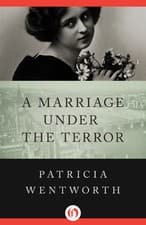
France -- History -- Revolution, 1789-1799 -- Fiction
"Too much for pride, Aline de Rochambeau," said Marthe with cruel
emphasis, and her own name made Aline wince. It seemed a thing of hard,
unyielding pride; a thing her heart shrank from.
"Listen to me. When he is dead over there in Spain, what good will your
pride do you? Women who live without love, or natural ties, what do
they become? Hard, and sour, and bitter, like me; or foolish, and
spiteful, and soft, and petty. I tell you, I could have shed the last
drop of my blood, worked my fingers to the raw stump, for the man I
loved. I ’d have borne his children by the roadside, followed him
footsore through the world, slept by his side in the snow, and thought
myself blessed. But to me there came neither love nor lover. Aline,
can you live in other people’s lives, love with other women’s hearts,
rear and foster other mothers’ children as Ange does? That is the only
road for a barren woman, that does not lead to desert places and a land
dry as her heart. Can you take my sister’s road? Is there nothing in
you that calls out for the man who loves you, for the children that
might be yours? Is your pride more to you than all this?"
Aline looked up steadily.
"No," she said, "it is nothing. I would do as you say you would have
done, but there was one thing I thought I could not do. May I tell you
the whole story now? I have wished to often, but it is hard to begin."
"Tell me," said Marthe; and Aline told her all, from the beginning.
When she had finished she saw that Marthe’s eyes were closed, and moved
a little to rise, thinking that she had dropped asleep. But as she did
so the eyes opened again, and Marthe said fretfully, "No, I heard it
all. It is very hard to judge, very hard."
Aline looked at her in alarm, for she seemed all at once to have grown
very old.
"Yes, it is hard. Life is so difficult," she went on slowly—weakly, "I
’m glad to be going out of it—out into the dark."
Aline kissed her hand, and spoke wistfully:
"Is it all so dark to you?"
"Why yes, dark enough—cold enough—lonely enough. Is n’t it so to you?"
"Not altogether, ma tante."
"What, because of those old tales which you believe? Well, if they
comfort you, take comfort from them. I can’t."
"But Mlle Ange—believes?"
Marthe frowned impatiently.
"Who knows what Ange believes? Not she herself. She is a saint to be
sure, but orthodox? A hundred years ago she would have been lucky if
she had escaped Purgatory fire in this life. She is content to wander
in vague, beautiful imaginings. She abstracts her mind, and calls it
prayer; confuses it, and says she has been meditating. I am not like
that. I like things clear and settled, with a good hard edge to them.
I should have been the worker and Ange the invalid,—no, no! what am I
saying? God forgive me, I don’t mean that."
"You would not like to see M. le Curé?" said Aline timidly. The
question had been on her lips a hundred times, but she had not had the
courage to let it pass them.
Public-domain text, read in full here on John Shaqi.
Reviews
Reviews
No reviews yet
Be the first to share your thoughts on this work.
Elsewhere in the archive
Join the Discussion
Join the discussion
Sign in to leave a comment or review.
Sign InorCreate an account