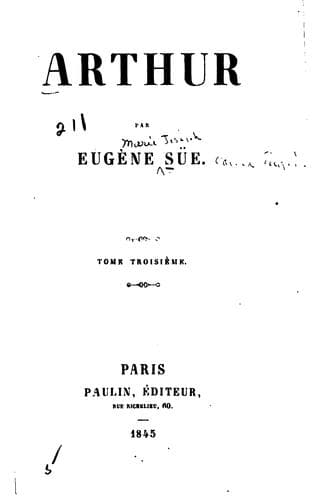
"I cannot describe to you, monsieur, the frightful state of mind of the
count during this illness. One night, when we had given up all hope of
saving the sick woman, he terrified me, for, by some words which escaped
him, I realised that, should death be the result of this illness, he
would throw himself from the region of high aspirations and generous
sentiments into an abyss of the greatest perversity, and in that moment
I believed in the reality of all the stories I had heard told about the
count. At last l'Ange Marie was restored to health. Little by little
beauty returned to this noble and charming face, where remorse for a
great fault and the consciousness of a great happiness constantly
struggled for supremacy. Ah, monsieur, as I have said, I had fully
determined never to return to that house, fearing to compromise my
dignity, but I continued to go there. I was wrong, no doubt, but perhaps
in the sight of God I may be forgiven, for that woman and the count were
so charitable to the poor. Thanks to him and thanks to her, I was
enabled to do so much good that I have faith in the pardon of God for
not having repulsed the hand that scattered abroad his alms with so much
kindness and discernment.
"And then, poor priest as I was, I loved science, I was a student, and
there was no one in the village with whom I could converse, while in the
count I discovered one of the most brilliant intellects I have ever
encountered, I will not say among men, for I am very inexperienced in
men and things, but in the books that I had read. His learning was vast,
profound, and almost universal. He appeared to have travelled a great
deal, and yet not to have neglected public life, for when by chance we
would discuss some political question, he would discourse with a
powerful and energetic conciseness. His judgment was clear, penetrating,
and went straight to the point; but strange to say, whether from
reflection, indifference, or contempt, he appeared to be devoid of all
party prejudice or sentiment of caste; it amounted to what you might
call a frightful impartiality. What alarmed and shocked me the most was
that I never heard him pronounce a single word which might lead one to
believe that he entertained the slightest faith in any form of religion.
Although it was tacitly understood between us that we were never to
discuss religious opinions, it would sometimes happen, in the course of
the conversation, he would let fall some words on these formidable
questions which would seem so coldly disinterested that I should, for
the hope of his salvation, have preferred an attack or a denial of these
eternal truths; for then his conversion might have seemed possible at
some future time, whereas this icy indifference left me no hope on that
subject.
Public-domain text, read in full here on John Shaqi.
Reviews
Reviews
No reviews yet
Be the first to share your thoughts on this work.
Join the Discussion
Join the discussion
Sign in to leave a comment or review.
Sign InorCreate an account