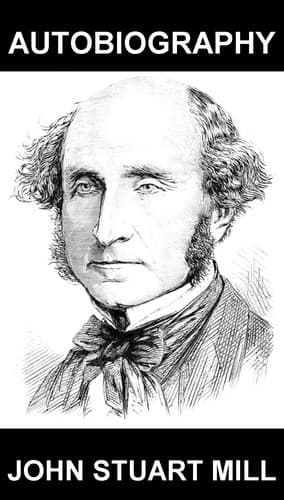
Mill, John Stuart, 1806-1873; Philosophers -- England -- Biography
but most English thinkers always seem to regard them as necessary evils,
required for keeping men's actions benevolent and compassionate. Roebuck
was, or appeared to be, this kind of Englishman. He saw little good in
any cultivation of the feelings, and none at all in cultivating them
through the imagination, which he thought was only cultivating
illusions. It was in vain I urged on him that the imaginative emotion
which an idea, when vividly conceived, excites in us, is not an illusion
but a fact, as real as any of the other qualities of objects; and, far
from implying anything erroneous and delusive in our mental apprehension
of the object, is quite consistent with the most accurate knowledge and
most perfect practical recognition of all its physical and intellectual
laws and relations. The intensest feeling of the beauty of a cloud
lighted by the setting sun, is no hindrance to my knowing that the cloud
is vapour of water, subject to all the laws of vapours in a state of
suspension; and I am just as likely to allow for, and act on, these
physical laws whenever there is occasion to do so, as if I had been
incapable of perceiving any distinction between beauty and ugliness.
While my intimacy with Roebuck diminished, I fell more and more into
friendly intercourse with our Coleridgian adversaries in the Society,
Frederick Maurice and John Sterling, both subsequently so well known,
the former by his writings, the latter through the biographies by Hare
and Carlyle. Of these two friends, Maurice was the thinker, Sterling the
orator, and impassioned expositor of thoughts which, at this period,
were almost entirely formed for him by Maurice.
Public-domain text, read in full here on John Shaqi.
Reviews
Reviews
No reviews yet
Be the first to share your thoughts on this work.
Elsewhere in the archive
Join the Discussion
Join the discussion
Sign in to leave a comment or review.
Sign InorCreate an account