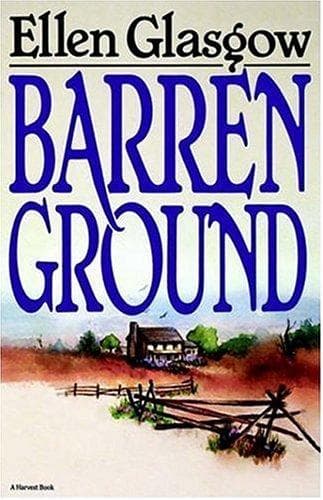
Country life -- Fiction; Pastoral fiction; Piedmont (U.S. : Region) -- Fiction; Virginia -- Fiction
Gradually, as the years passed, her human associations narrowed down to
Fluvanna's companionship and the Sunday afternoon visits of Nathan
Pedlar and his children. The best years of her youth, while her beauty
resisted hard work and sun and wind, were shared only with the coloured
woman with whom she lived. She had prophesied long ago that Fluvanna
would be a comfort to her, and the prophecy was completely fulfilled.
The affection between the two women had outgrown the slender tie of
mistress and maid, and had become as strong and elastic as the bond that
holds relatives together. They knew each other's daily lives; they
shared the one absorbing interest in the farm; they trusted each other
without discretion and without reserve. Fluvanna respected and adored
her mistress; and Dorinda, with an inherited feeling of condescension,
was sincerely attached to her servant. Though Dorinda still guarded the
reason of her flight to New York, she did this less from dread of
Fluvanna's suspecting the truth than from secret terror of the
enervating thought of the past. That was over and done with, and every
instinct of her nature warned her to let dead bones lie buried.
Sometimes on winter nights, when the snow was falling or the rain
blowing in gusts beyond the window, the two women would sit for an hour,
when work was over, in front of the log fire in Dorinda's room which had
once been her mother's chamber. Then they would talk sympathetically of
the cows and the hens, and occasionally they would speak of Fluvanna's
love affairs and of Dorinda's years in the city. The coloured girl would
ask eager questions in the improved grammar her mistress had taught her.
"I don't see how you could bear to come back to this poky place. But, of
course, when yo' Pap died somebody had to be here to look after things.
I don't reckon you'll ever go back, will you?"
"No, I shall never go back. I had enough of it when I was there."
"Wouldn't you rather look at the sights up there than at cows and
chickens?"
Dorinda would shake her head thoughtfully. "Not if they are my cows and
chickens."
In this reply, which was as invariable as a formula, she touched
unerringly the keynote of her character. The farm belonged to her, and
the knowledge aroused a fierce sense of possession. To protect, to lift
up, rebuild and restore, these impulses formed the deepest obligation
her nature could feel.
Public-domain text, read in full here on John Shaqi.
Reviews
Reviews
No reviews yet
Be the first to share your thoughts on this work.
Elsewhere in the archive
Join the Discussion
Join the discussion
Sign in to leave a comment or review.
Sign InorCreate an account