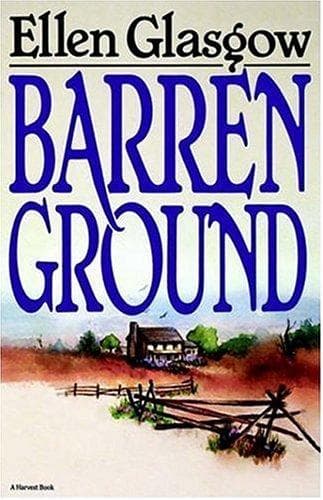
Country life -- Fiction; Pastoral fiction; Piedmont (U.S. : Region) -- Fiction; Virginia -- Fiction
Through those ten years, while she struggled to free the farm from debt,
she had scrimped and saved like a miser; and this habit of saving, she
knew, would cling to her for the rest of her life. She went without
butter; she drank only buttermilk, in order that she might keep nothing
back from the market. Her clothes were patched and mended as long as
they held together, and she had stopped going to church because her
pride would not suffer her to appear there in overalls, or in the faded
calico dresses she wore in the house. Though she was obliged to hire
women to help her with the milking and in the dairy, she herself worked
harder than any of them. Nothing, she told herself grimly, could elude
her vigilance. In her passionate recoil from the thriftlessness of the
poor, she had developed a nervous dread of indolence which reminded her
of her mother. She went to bed, stupefied by fatigue, as soon as the
last pound of butter was wrapped for the early train; yet she was up
again before the break of day while the hands were still sleeping. And
only Fluvanna, who lived in the house with her now, knew the hours she
spent beside her lamp counting the pounds of butter and the number of
eggs she had sent to market. If only she could save enough to pay off
the mortgage and return the money she had borrowed from the Faradays,
she felt that she should begin to breathe freely for the first time in
her life.
And there was more than hard work in her struggle; there was unflagging
enterprise as well. Her father had worked harder than she could ever do,
toiling summer and winter, day and night, over the crops, which always
failed because they were expected to thrive on so little. She remembered
him perpetually hauling manure or shredding fodder, until he loomed in
her memory as a titanic image of the labourer who labours without hope.
"The truth is, I would rather have failed at the start than have gone on
like that," she thought. "I was able to take risks because I was too
unhappy to be afraid." Yes, she had had the courage of desperation, and
that had saved her from failure. Without borrowed money, without the
courage to borrow money, she could never have made the farm even a
moderate success. This had required not only perseverance but audacity
as well; and it had required audacity again to permeate the methodical
science of farming with the spirit of adventure. Interest, excitement
even, must be instilled into the heartless routine. The hours of work
never varied. Chores were done by necessity, as in the old days without
system, but by the stroke of the clock. Each milker had her own place,
and milked always the same cows. After the first trial or two, Dorinda
had yielded to the reluctance of the cow when her accustomed milker was
changed. She had borrowed money again, "hiring money" they called it at
Pedlar's Mill, to buy her first Jersey bull; but the daughters of that
bull were still her best butter-making cows.
Public-domain text, read in full here on John Shaqi.
Reviews
Reviews
No reviews yet
Be the first to share your thoughts on this work.
Elsewhere in the archive
Join the Discussion
Join the discussion
Sign in to leave a comment or review.
Sign InorCreate an account